Naoshima had been on my list for years, ever since I first started paying attention to Tadao Ando's buildings and Yayoi Kusama's work. It's a small island in the Seto Inland Sea that's basically been given over to art, the kind of place that comes up constantly if you talk to anyone in design.
The Japan trip itself was originally just work, planned around August for business reasons, but it happened to land on Obon, the holiday when everyone in Japan goes home to be with family. So we took the excuse and carved out time for Naoshima and Teshima on top of it.
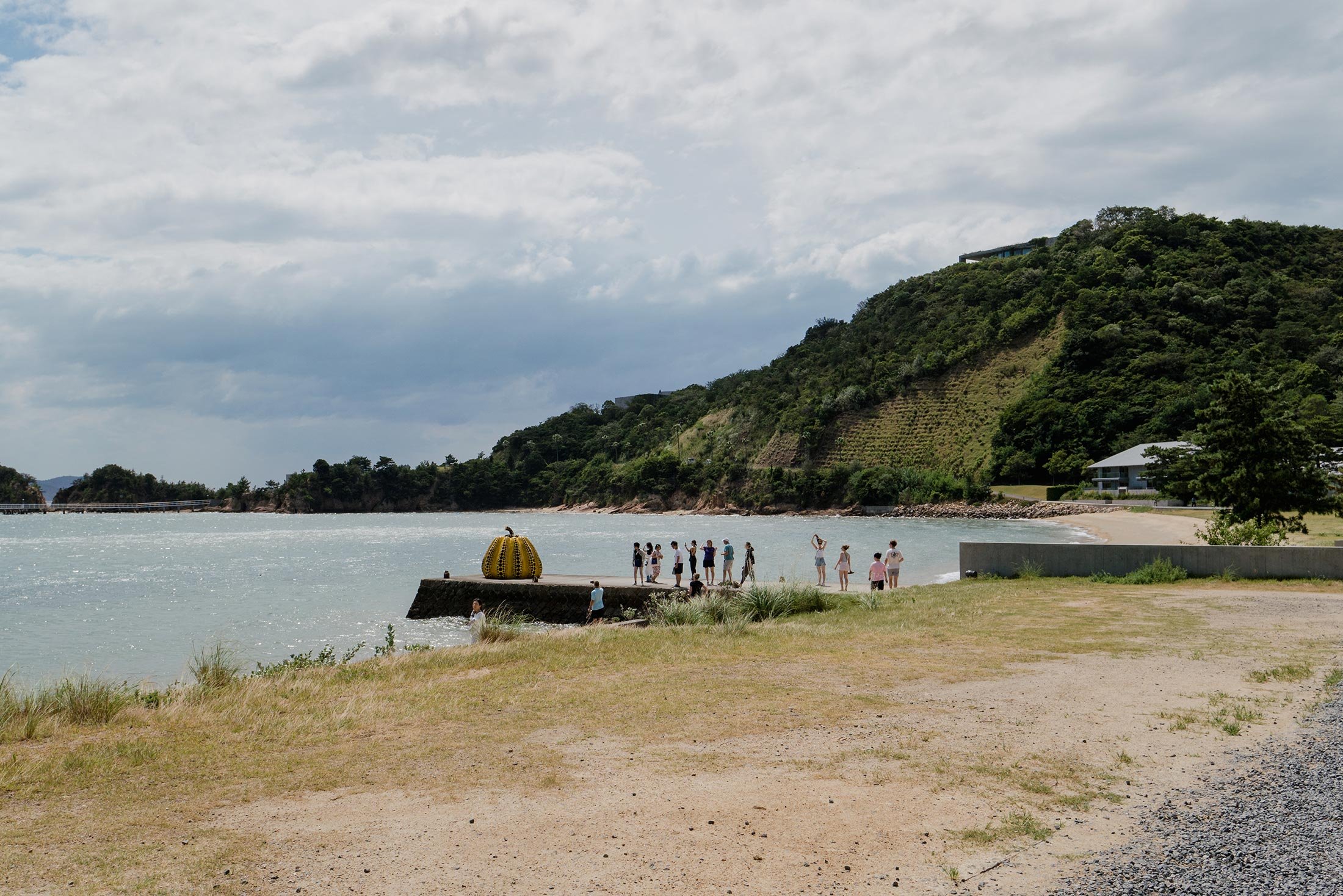
Yayoi Kusama's iconic Yellow Pumpkin
Benesse House
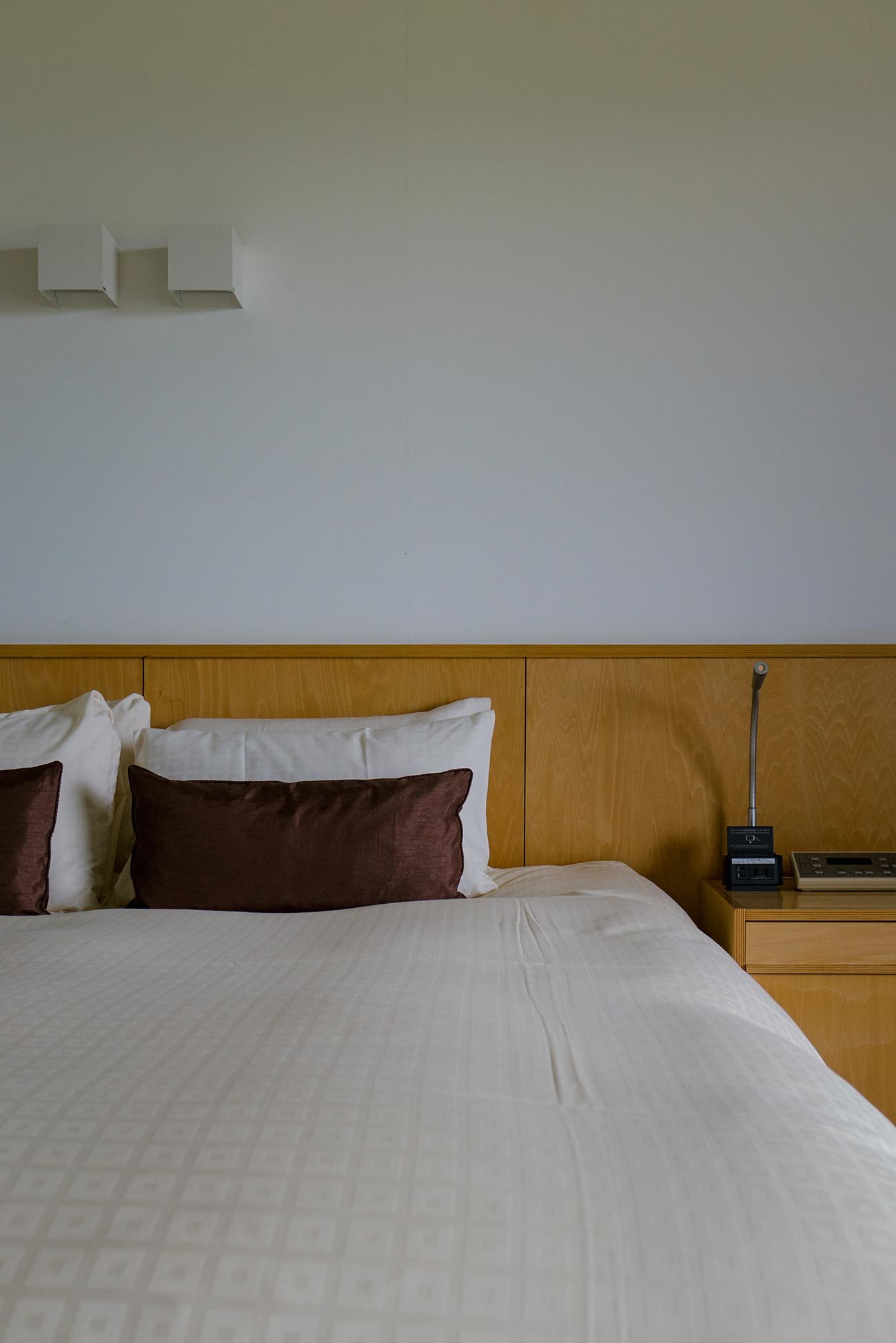

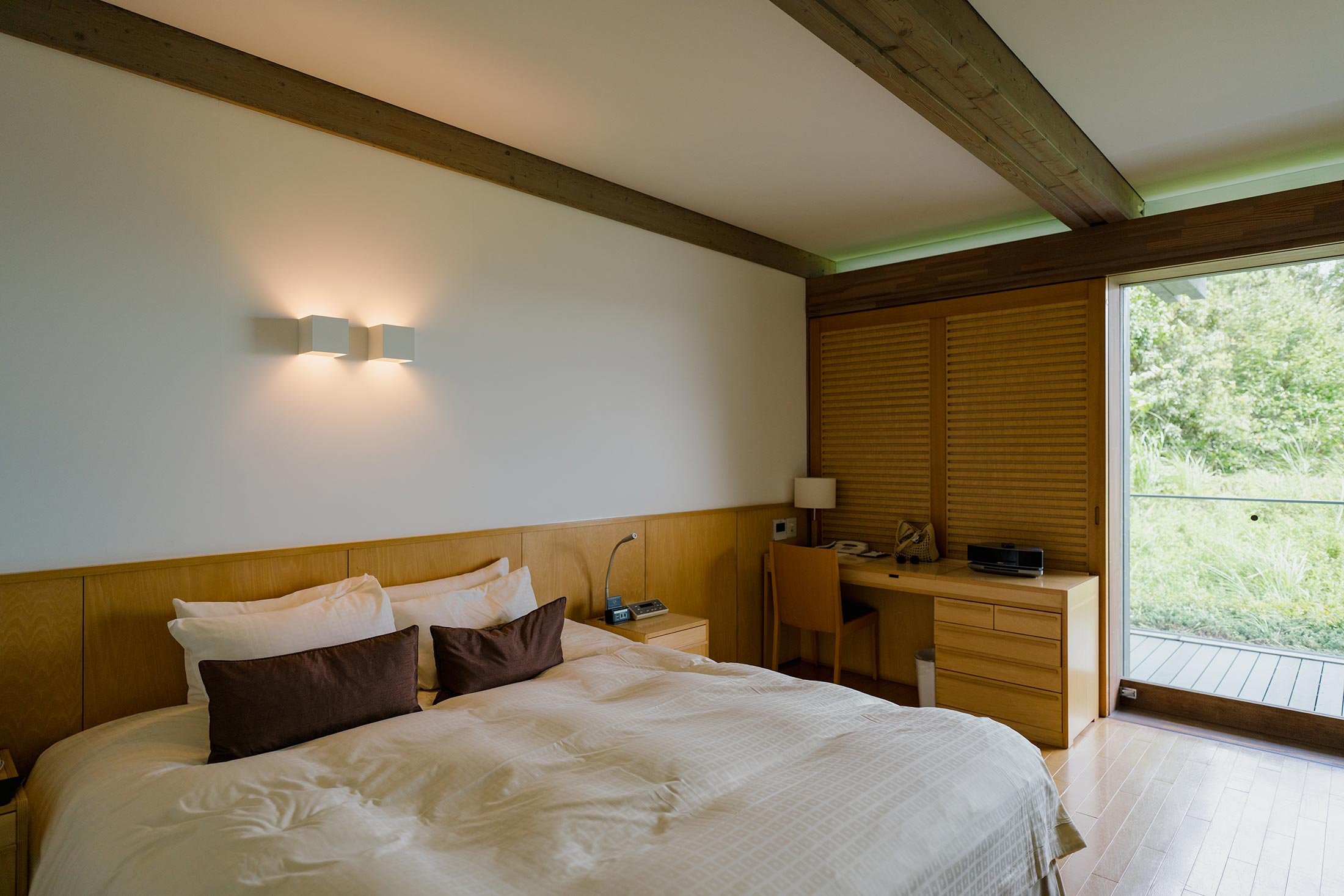
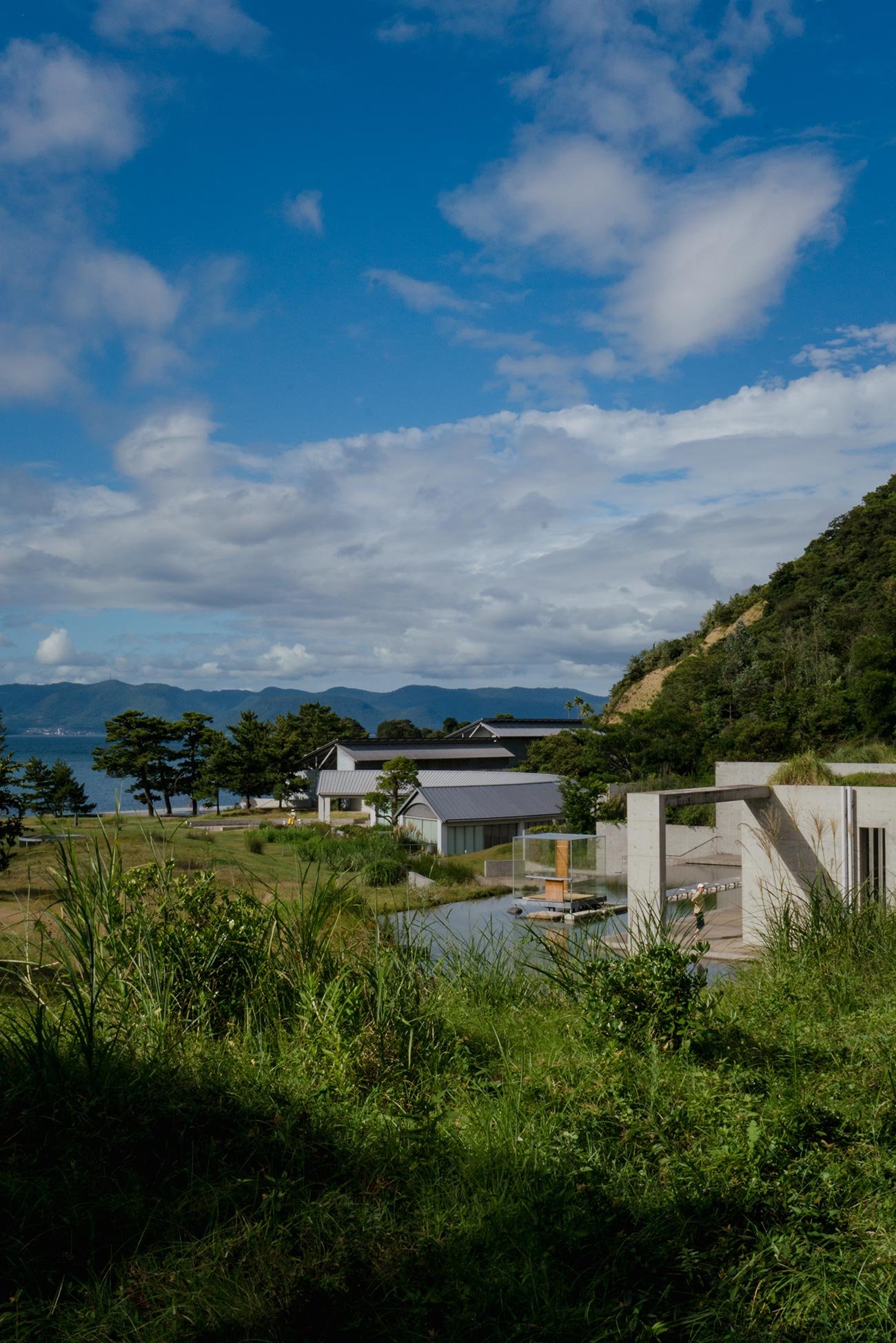
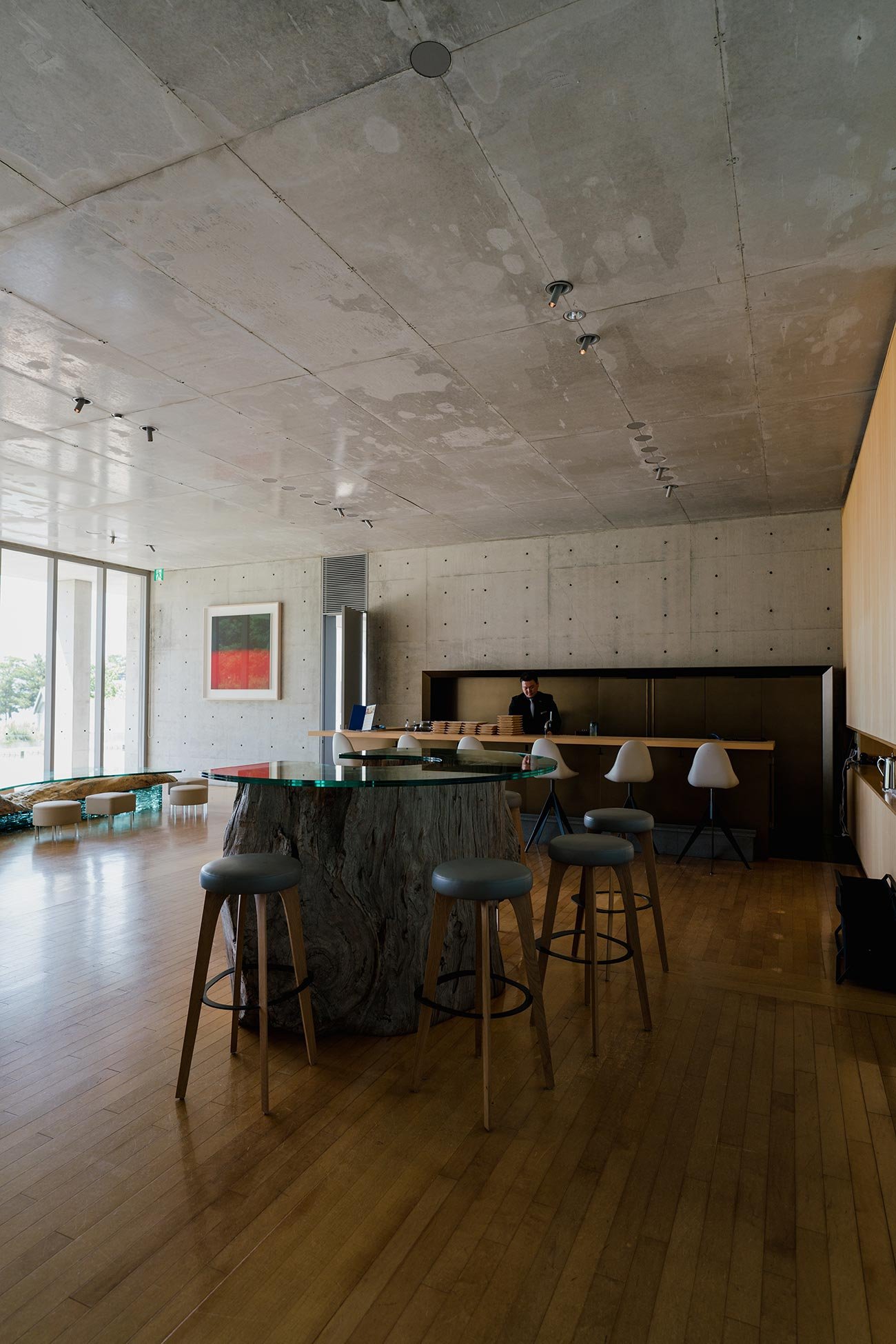
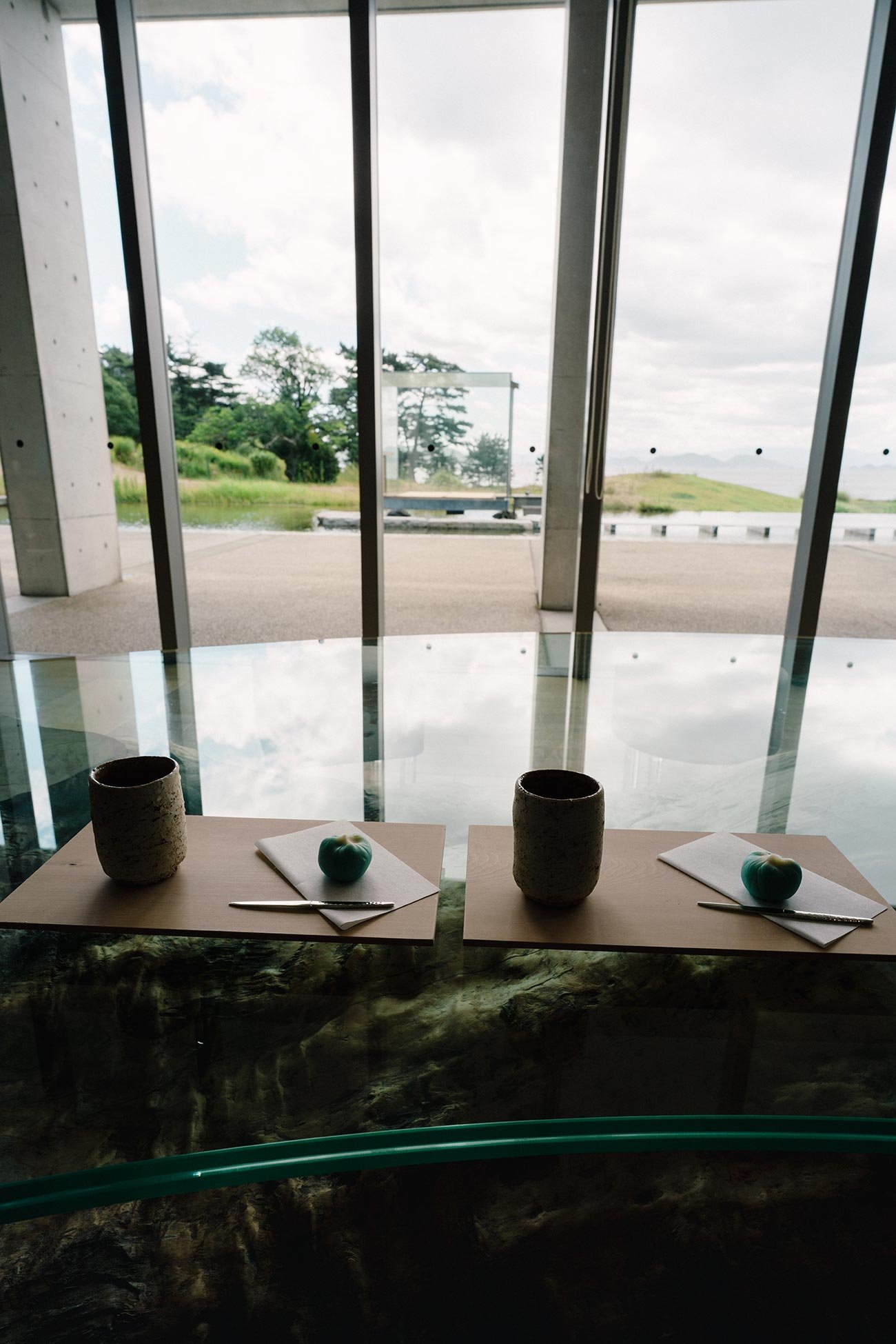
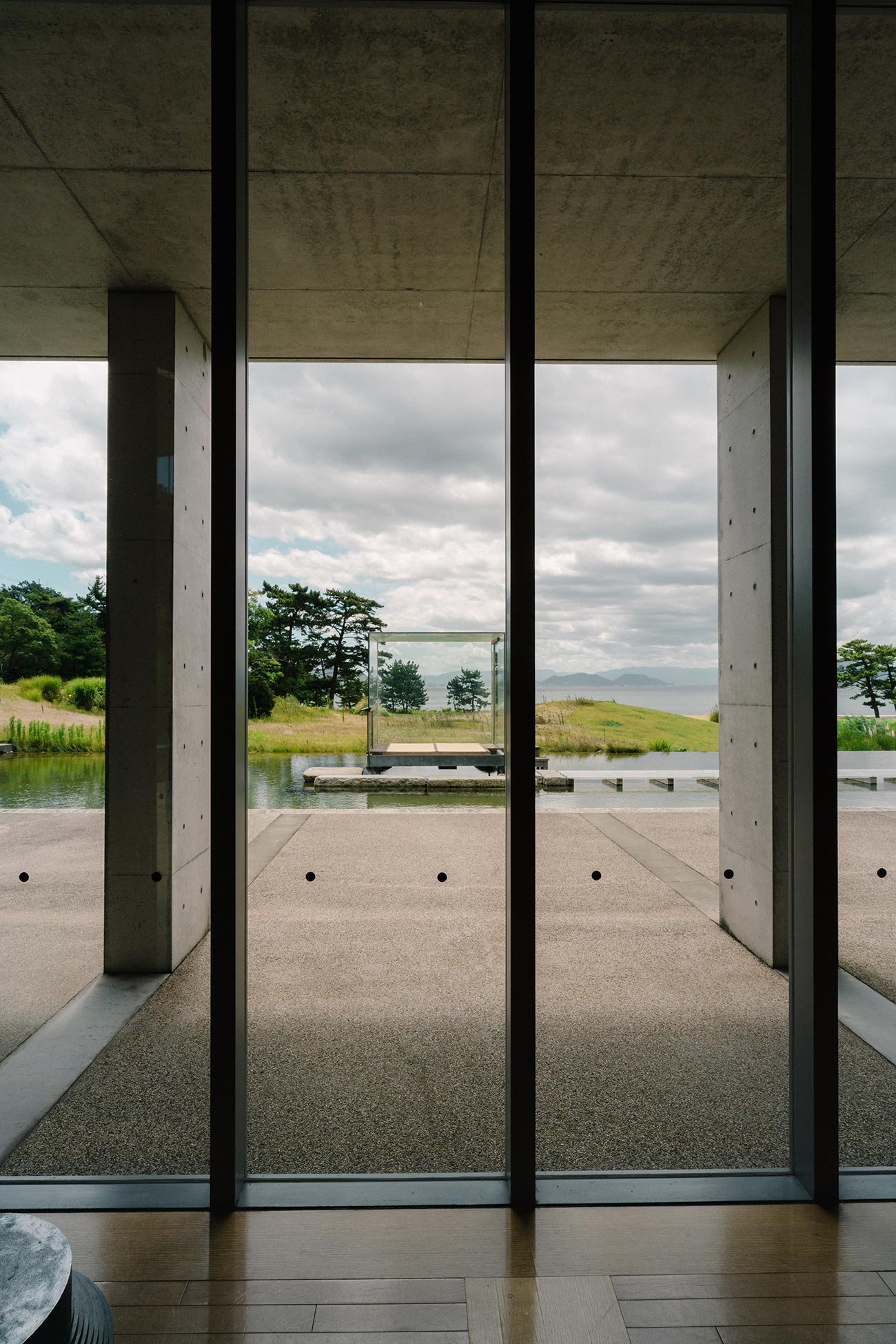
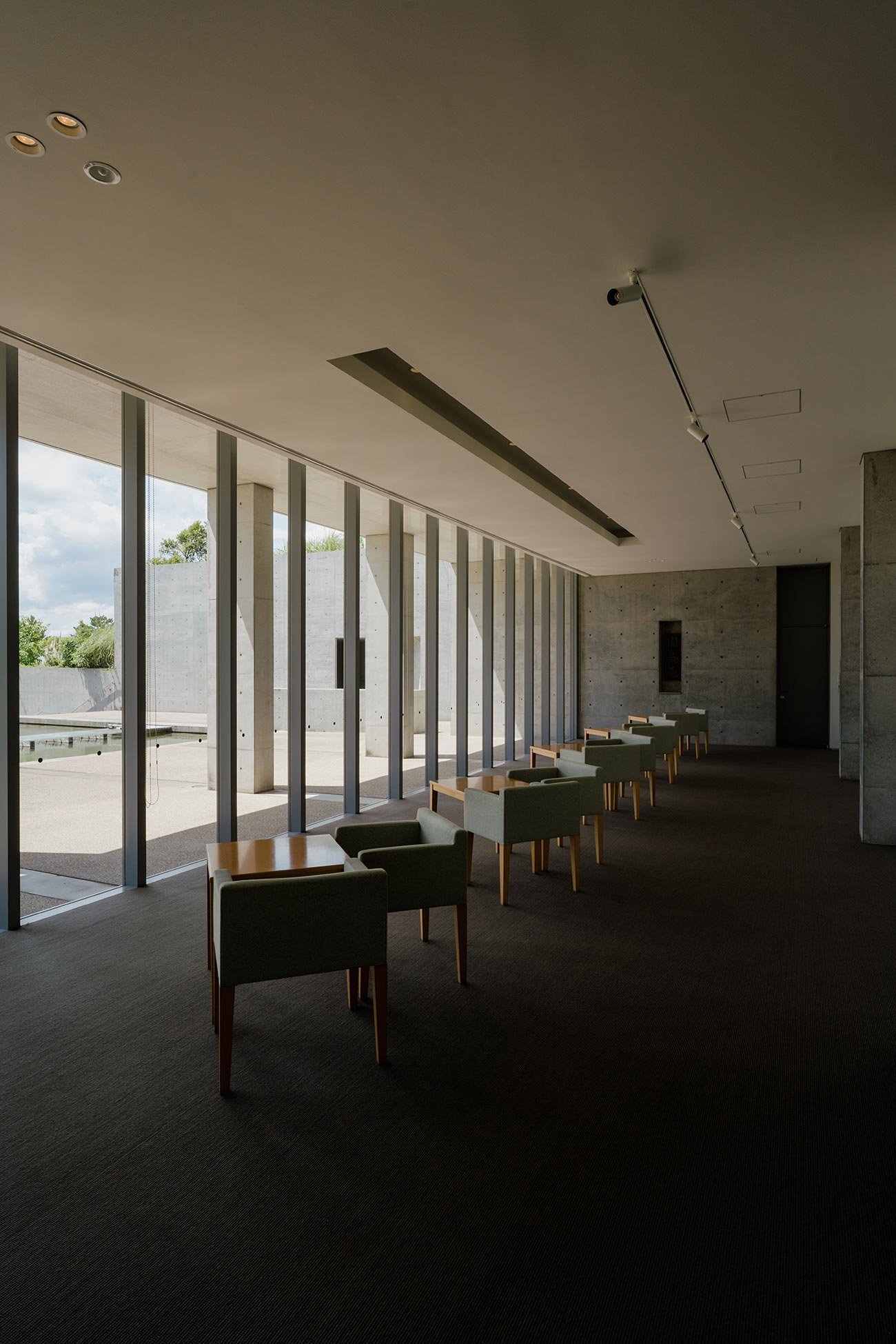
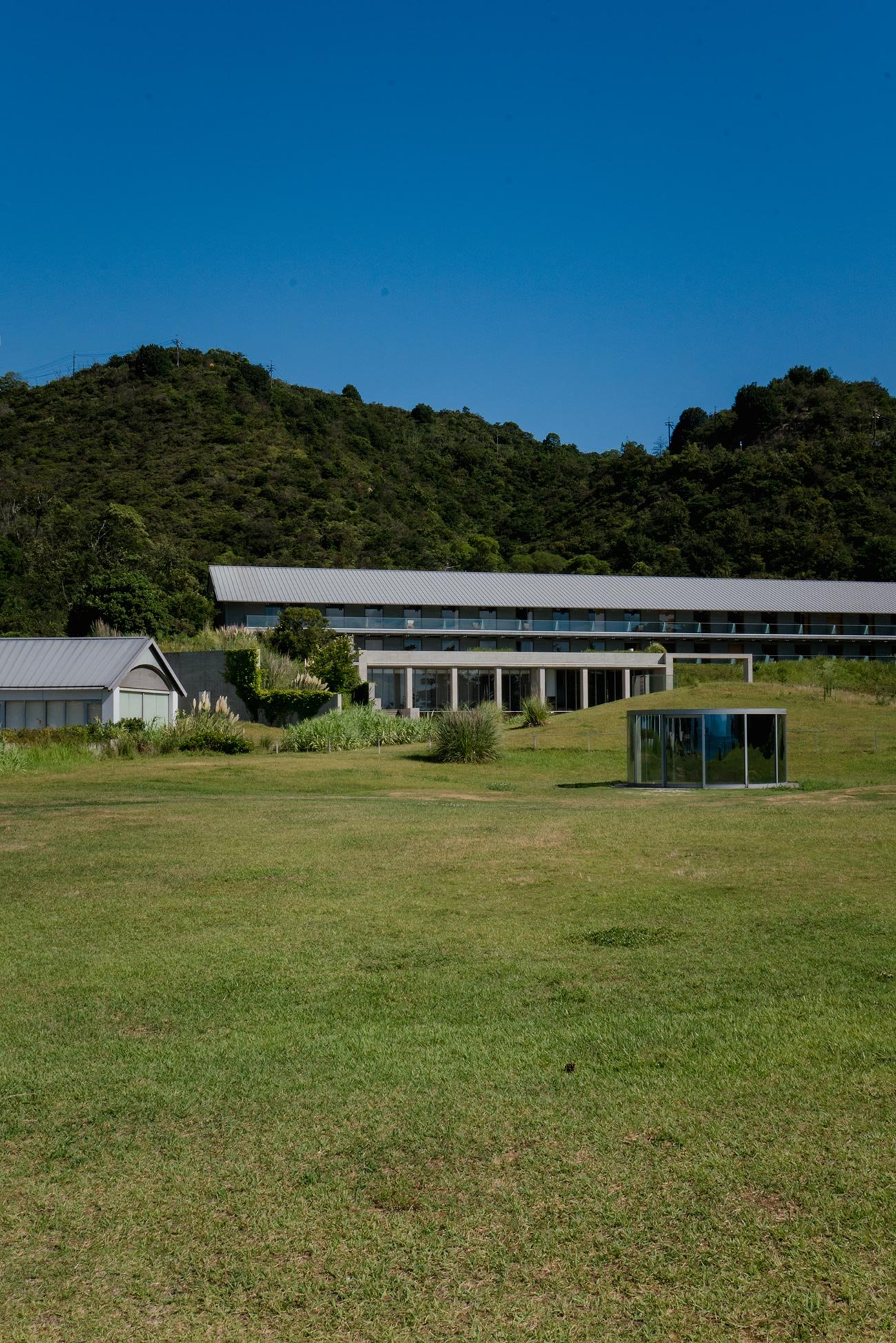
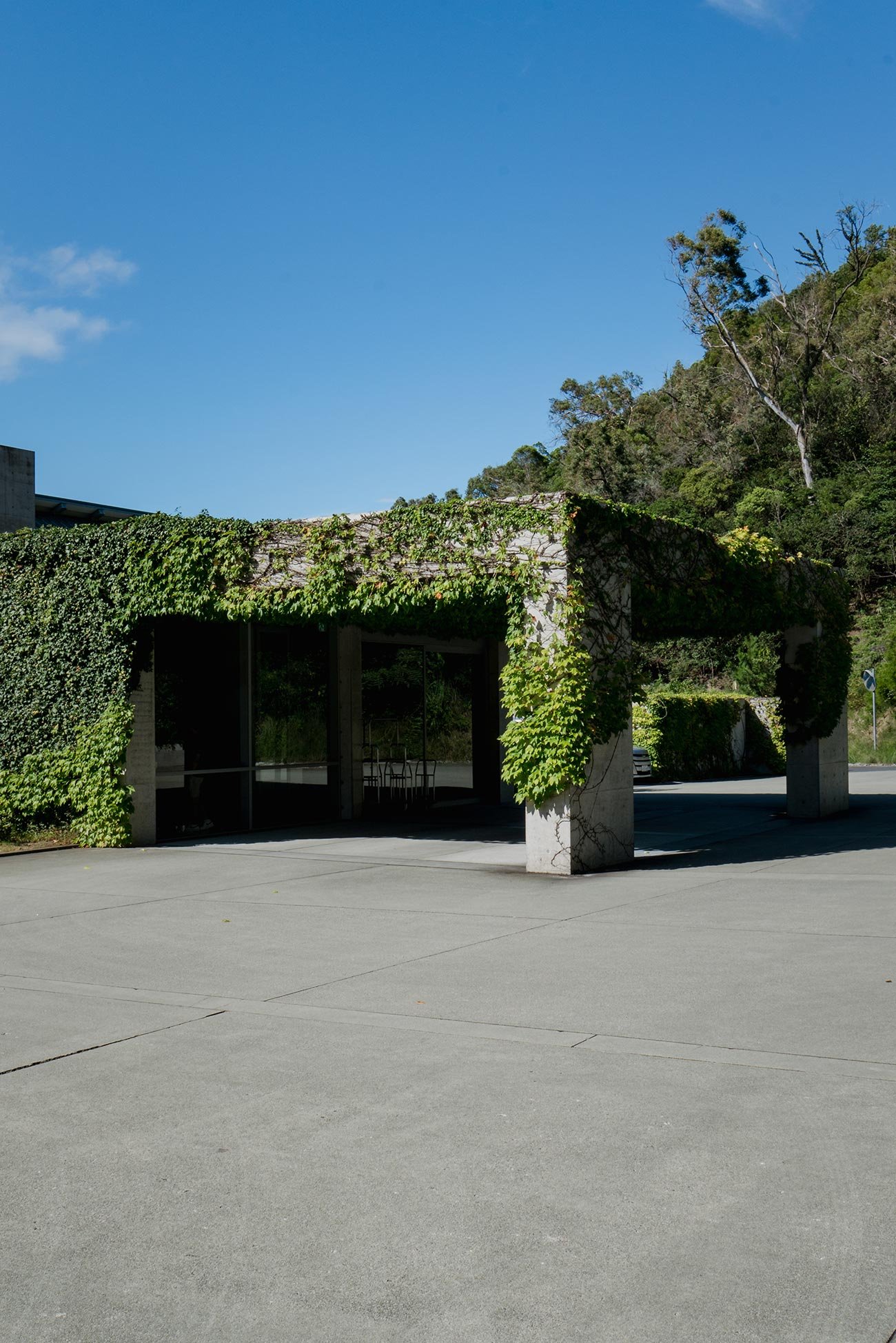
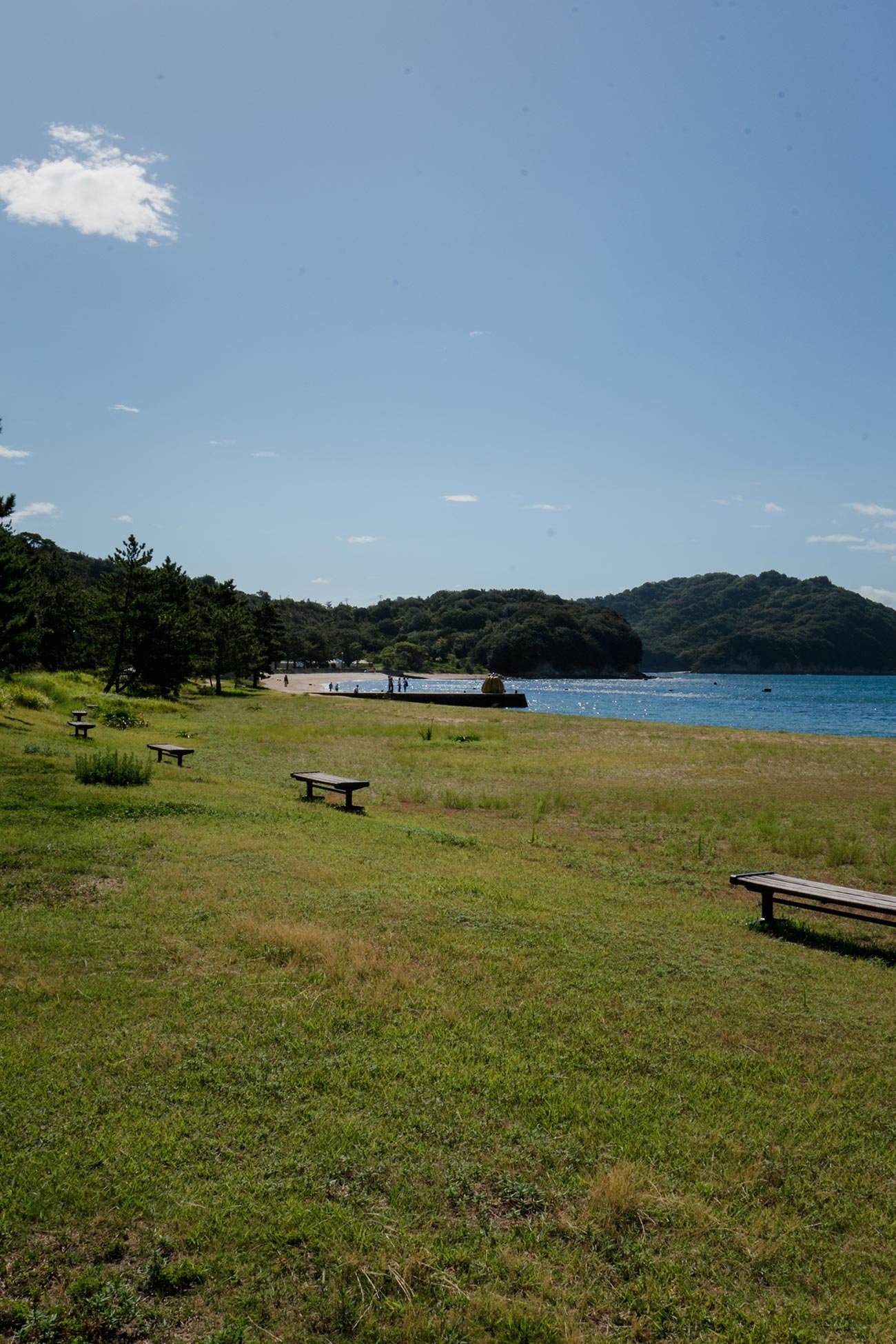
We spent our first night at Benesse House, the hotel most people mean when they talk about staying on Naoshima. It's part museum, part hotel, built by the Benesse Corporation, which is a Japanese education and publishing company, of all things, in partnership with Tadao Ando himself. The whole thing was the idea of Benesse's founder, Tetsuhiko Fukutake, who apparently wanted a place where art wasn't cordoned off in a separate building from where you actually slept. There's a shuttle that picks you up straight from the ferry, which after a day of travel is the small kindness you don't know you need until it's there.
There are four buildings to choose from: Museum, Oval, Park, and Beach, each with its own character. We stayed in Park, mostly because it made the most sense for a short visit, close to everything without feeling like we were missing out on the others.
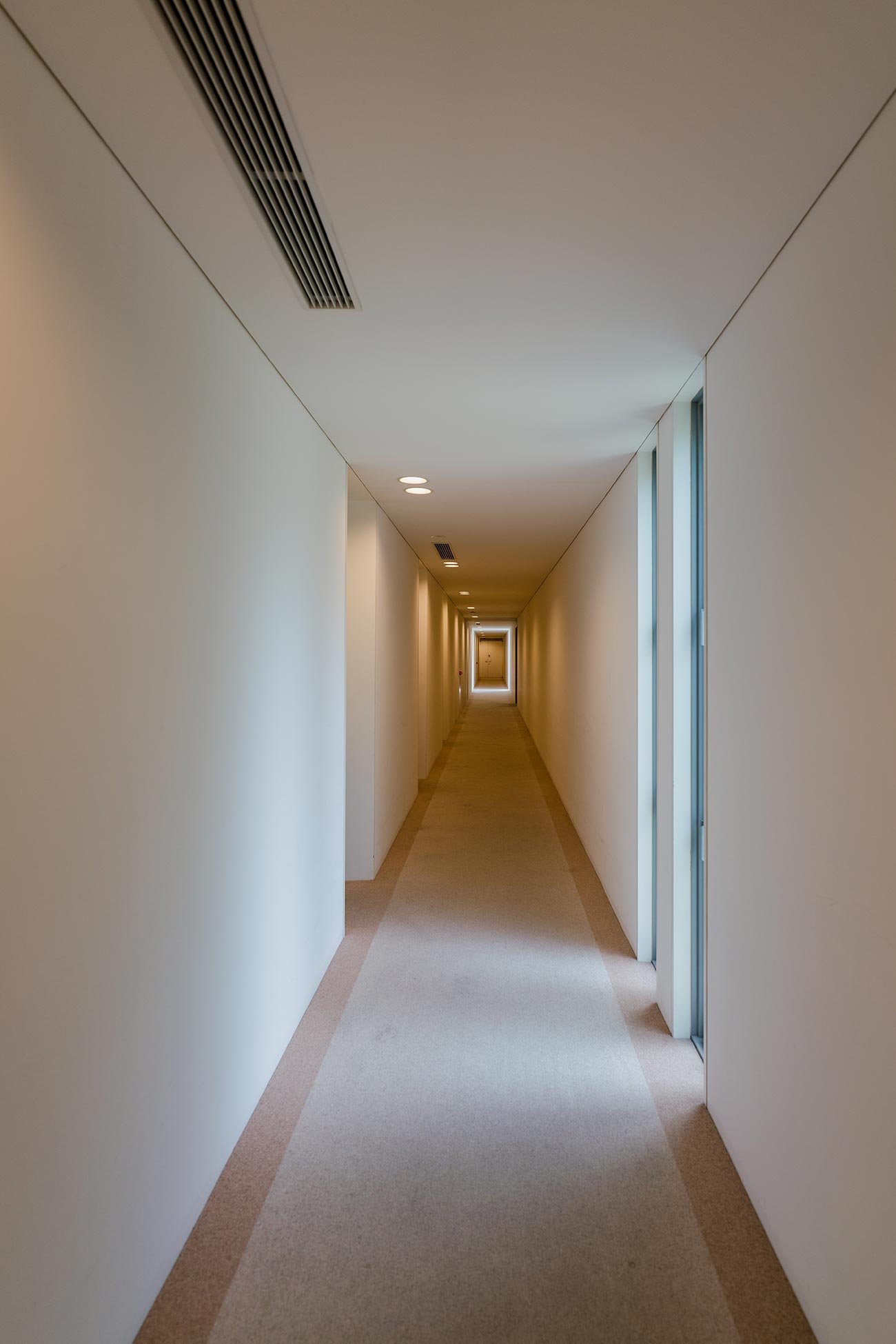
Ando's architecture does most of the talking here: clean lines, concrete, almost nothing extra, the kind of restraint that makes you notice the light and the water more than the building itself. The outdoor installations are worked into the island rather than placed on top of it, so you'll be walking somewhere ordinary and just come across a piece.
Don't skip the Hiroshi Sugimoto Gallery, or his glass teahouse built as a nod to Mondrian, both tucked into the Park building.
Benesse House Museum
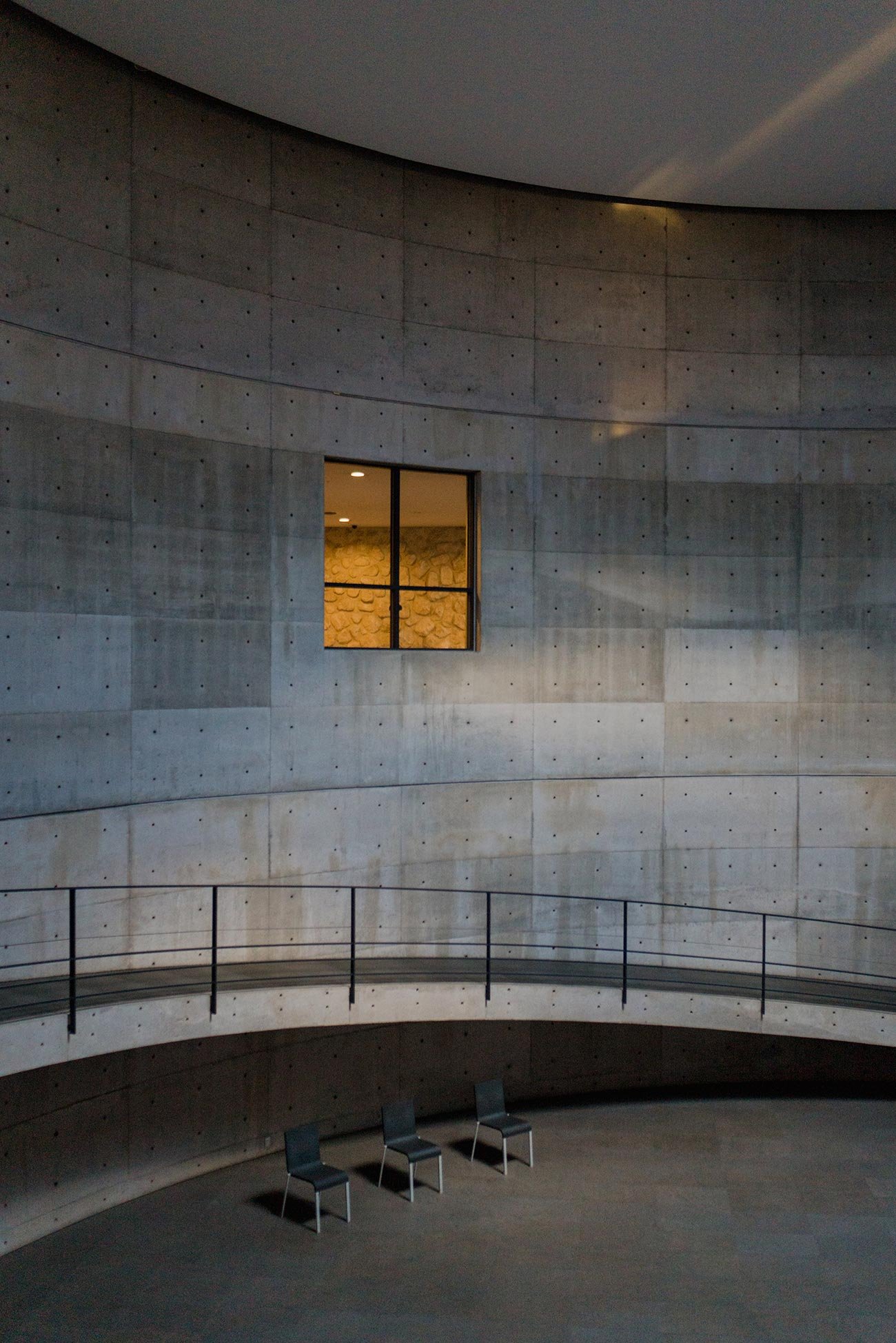
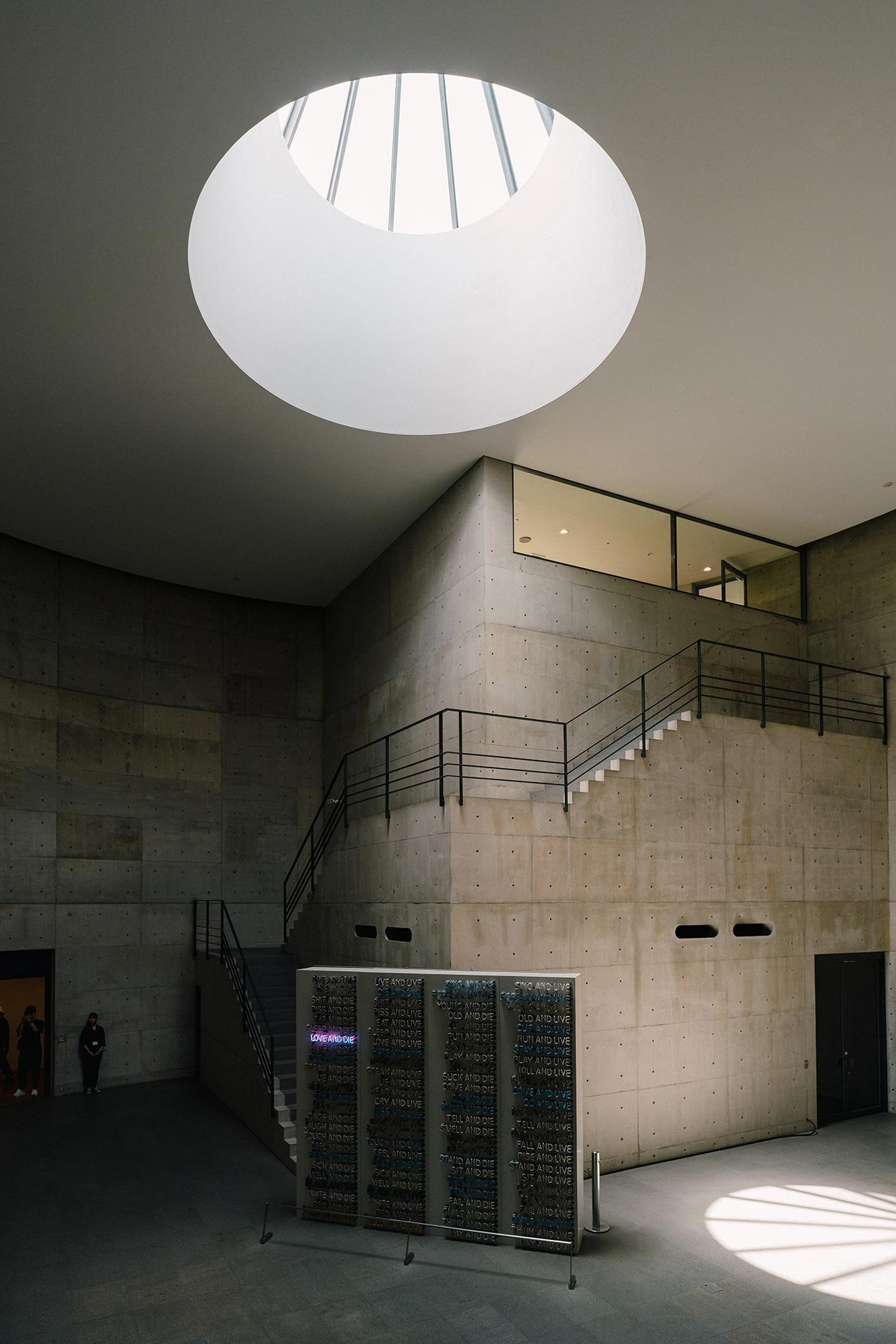
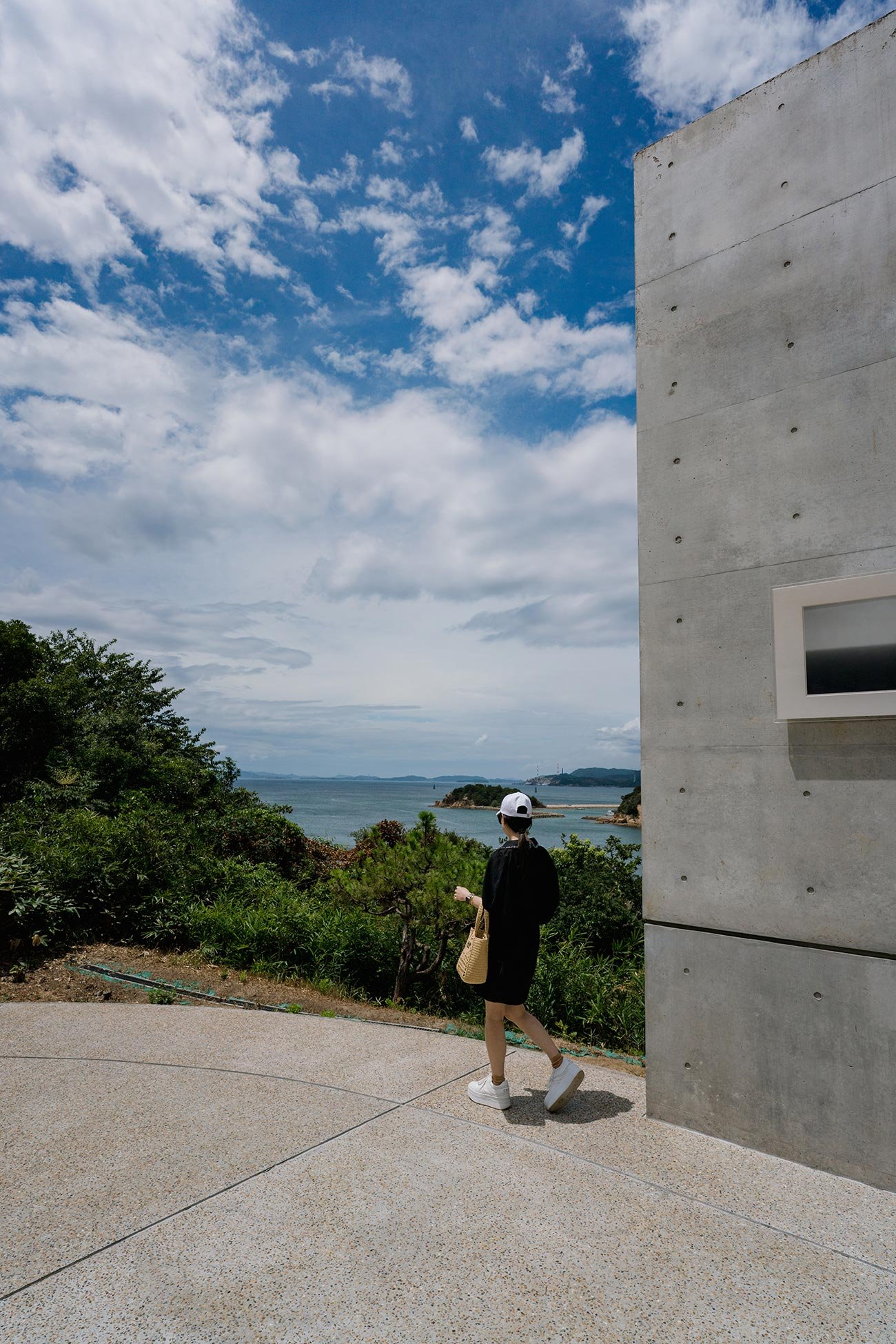
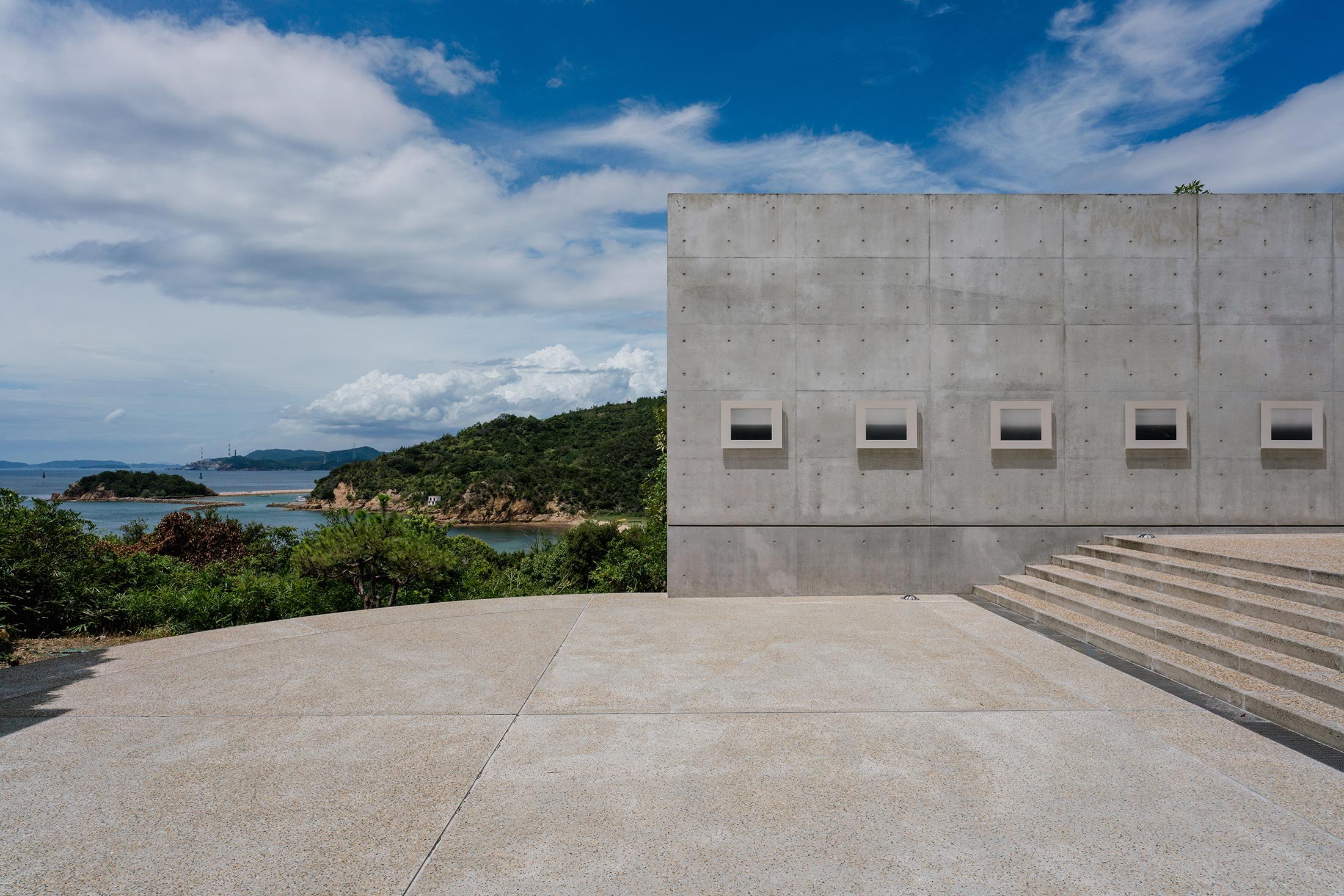
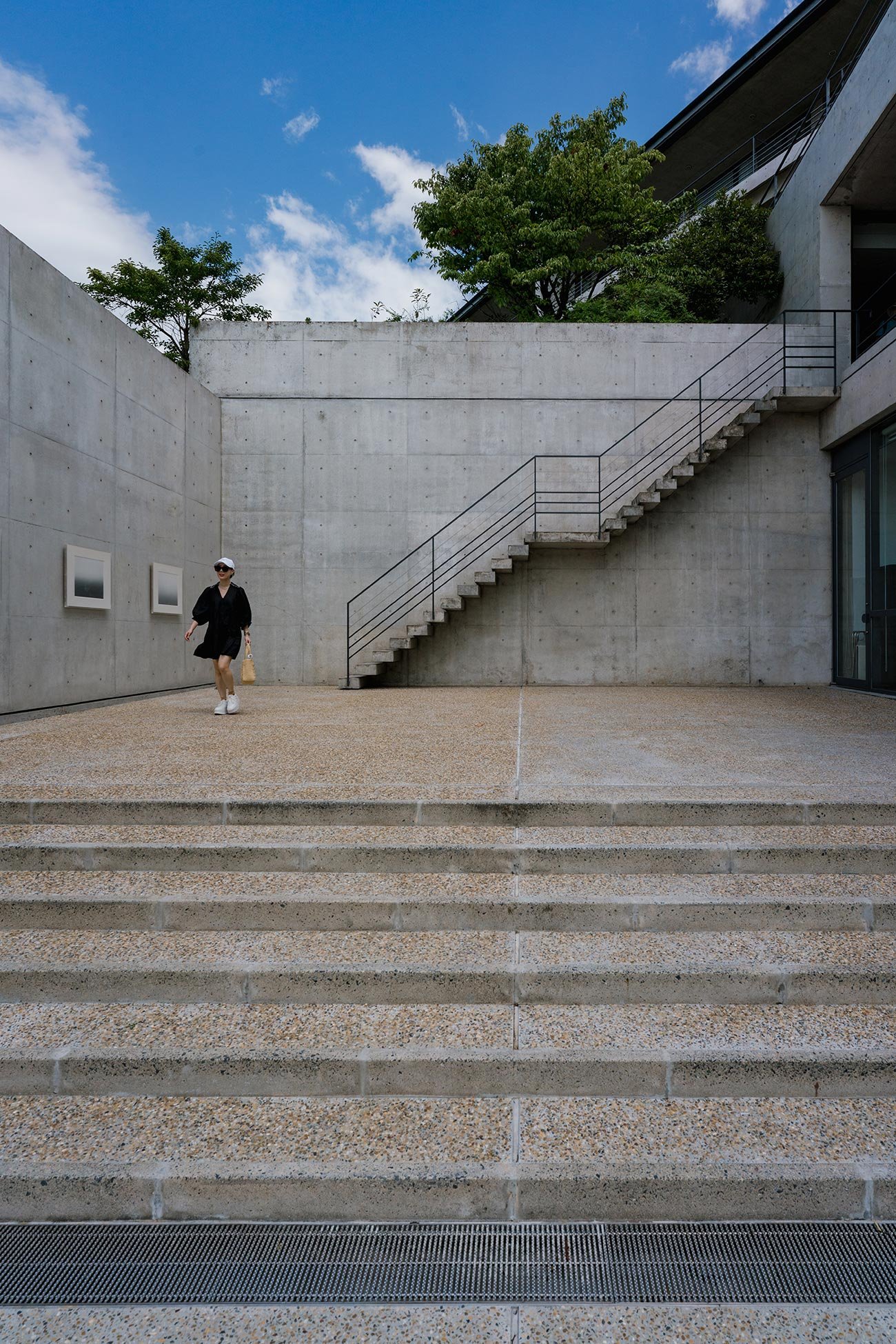
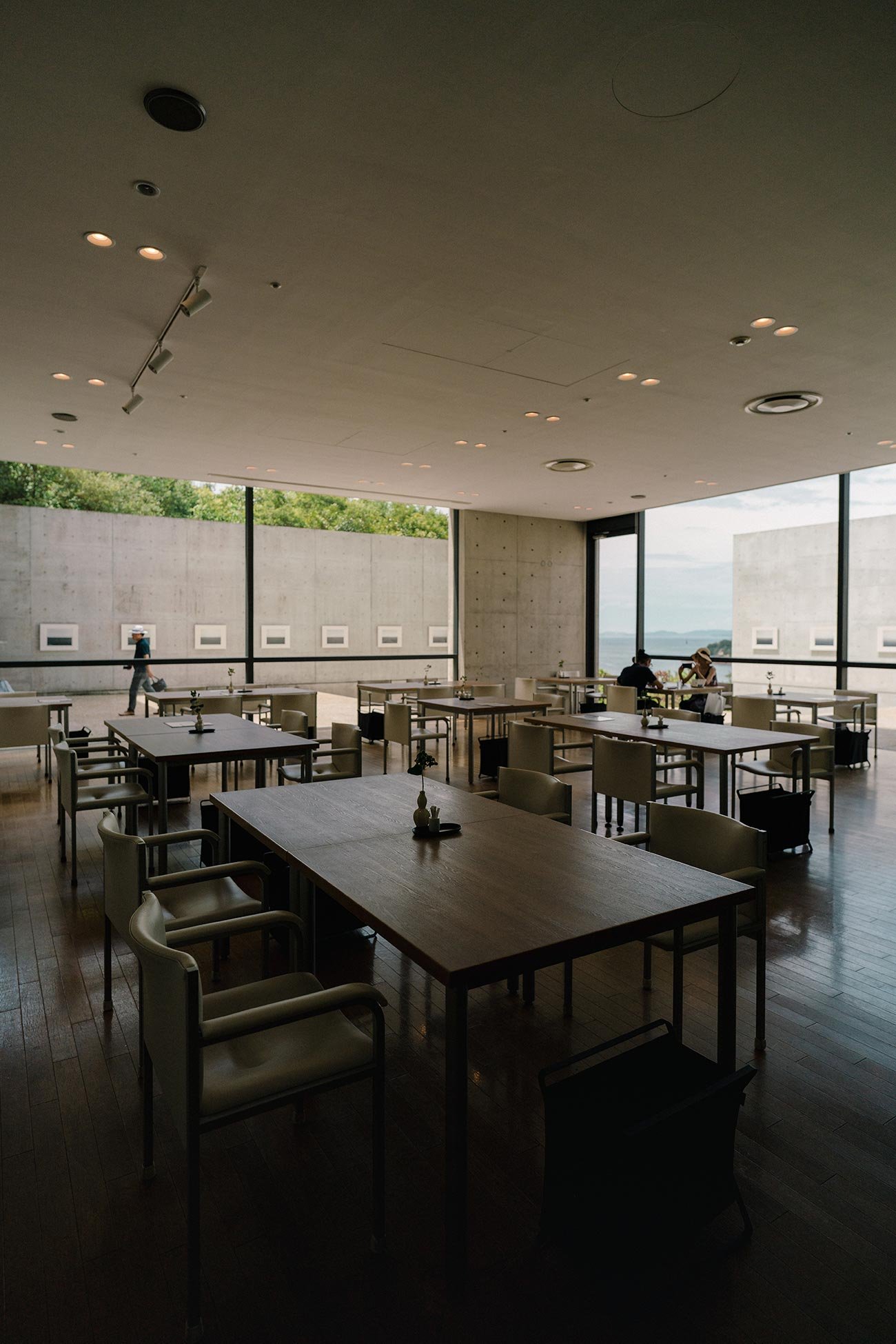
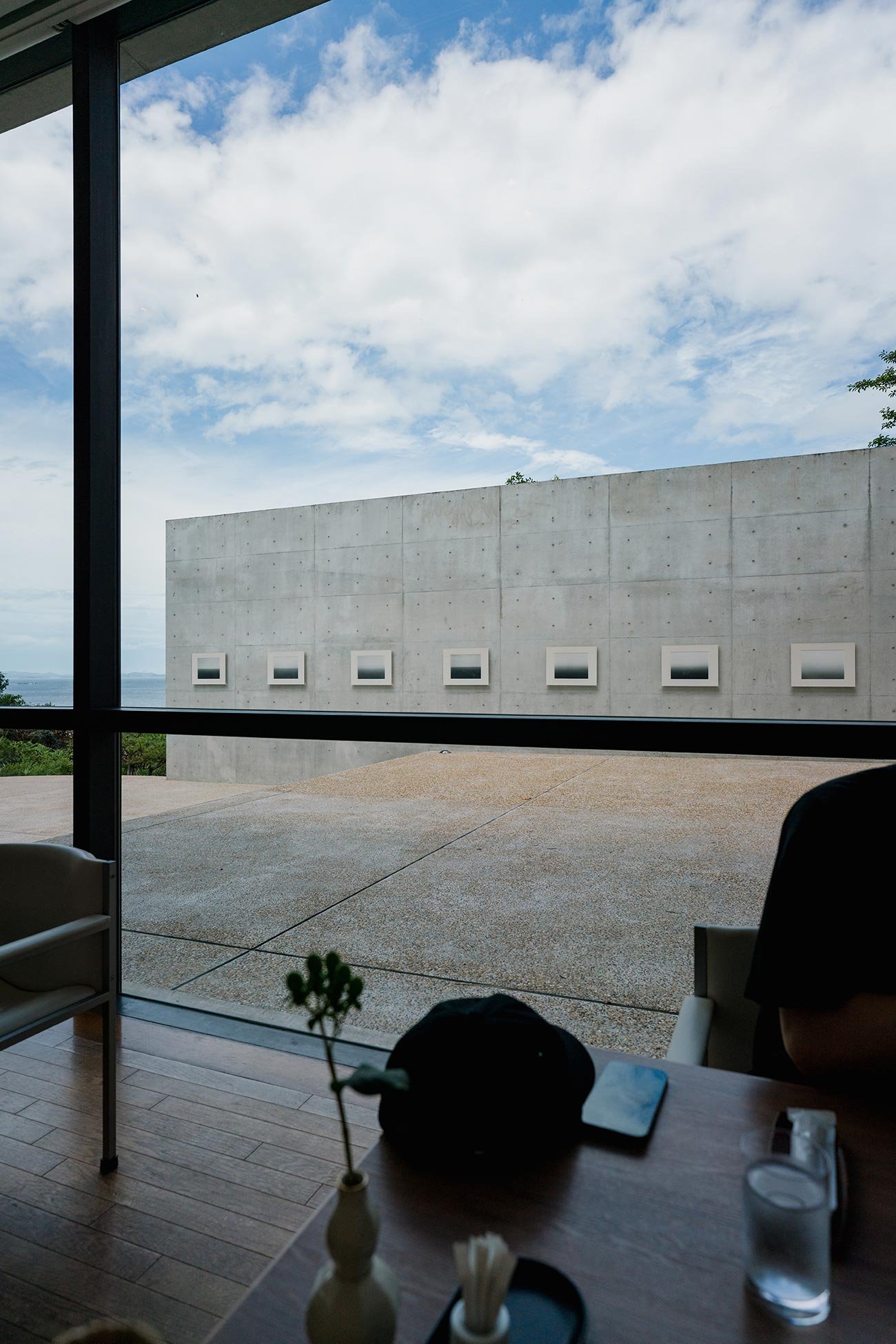
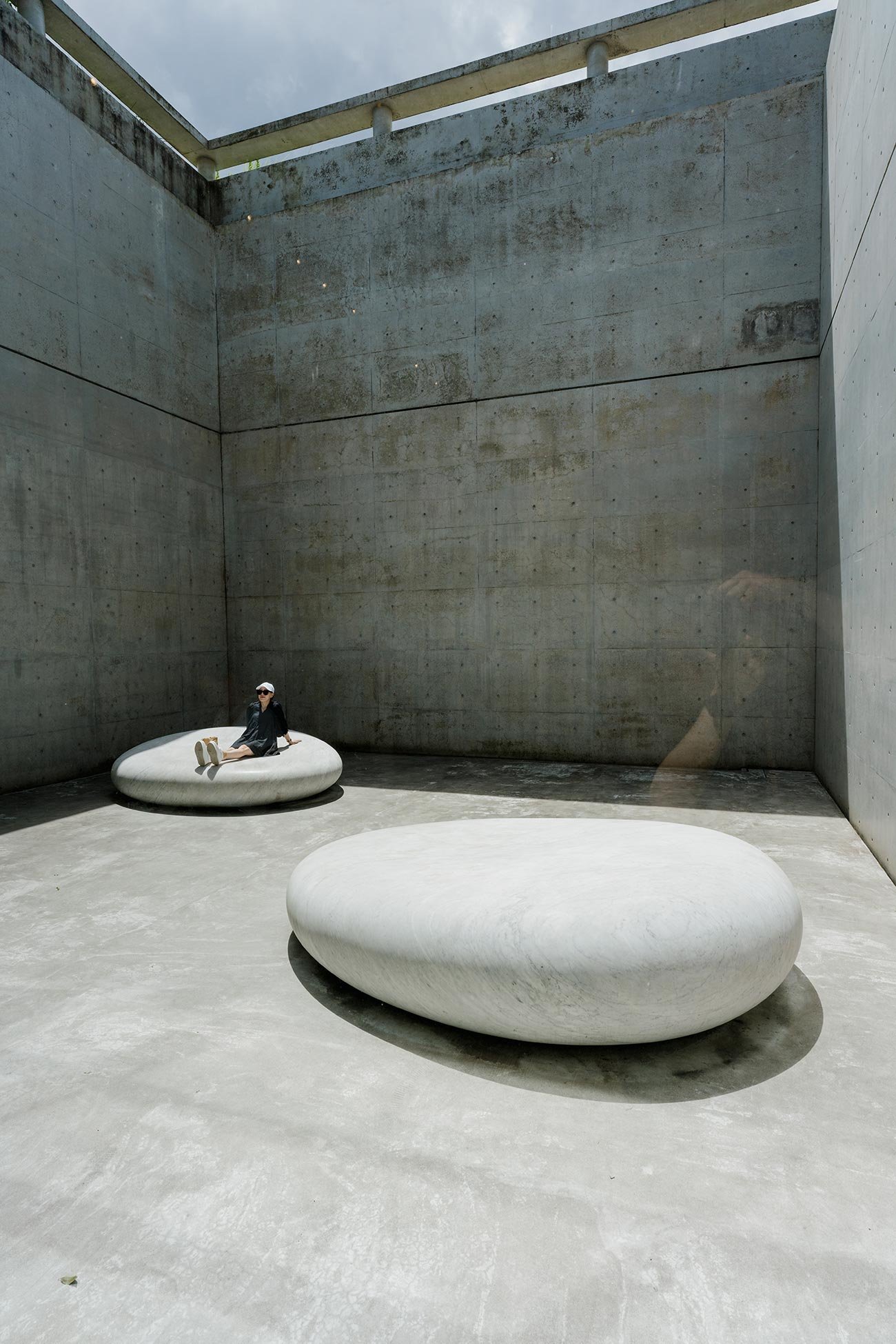
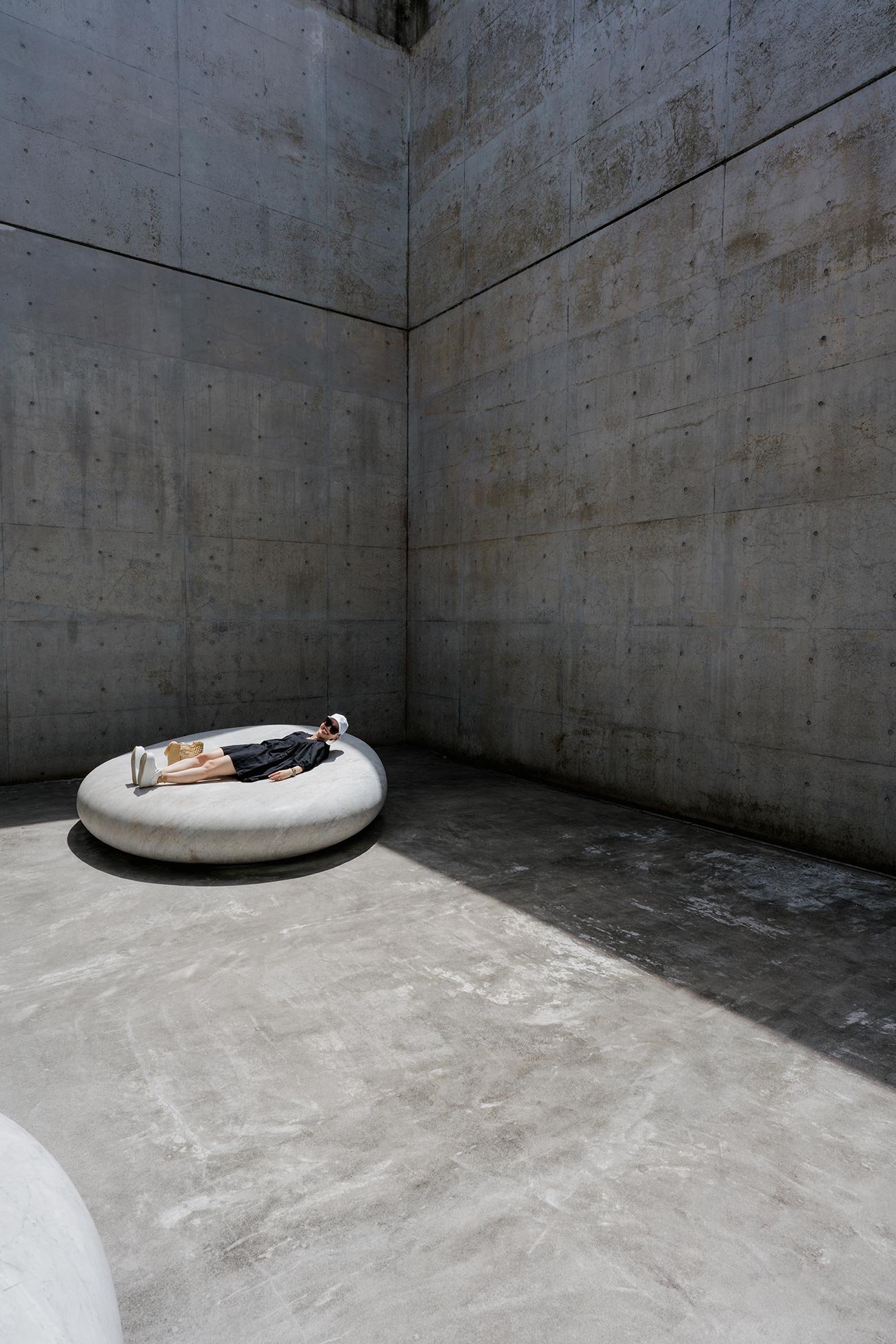
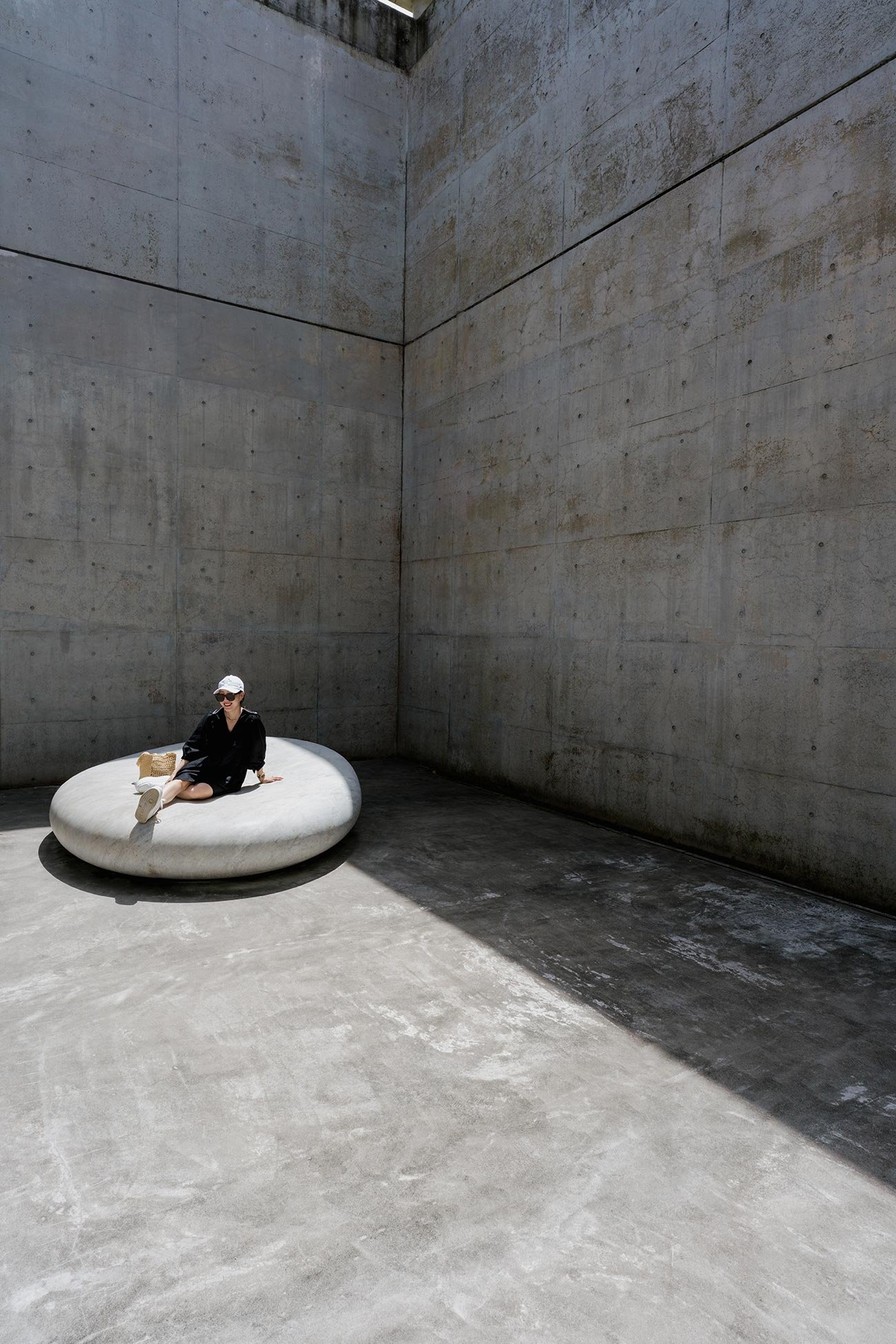
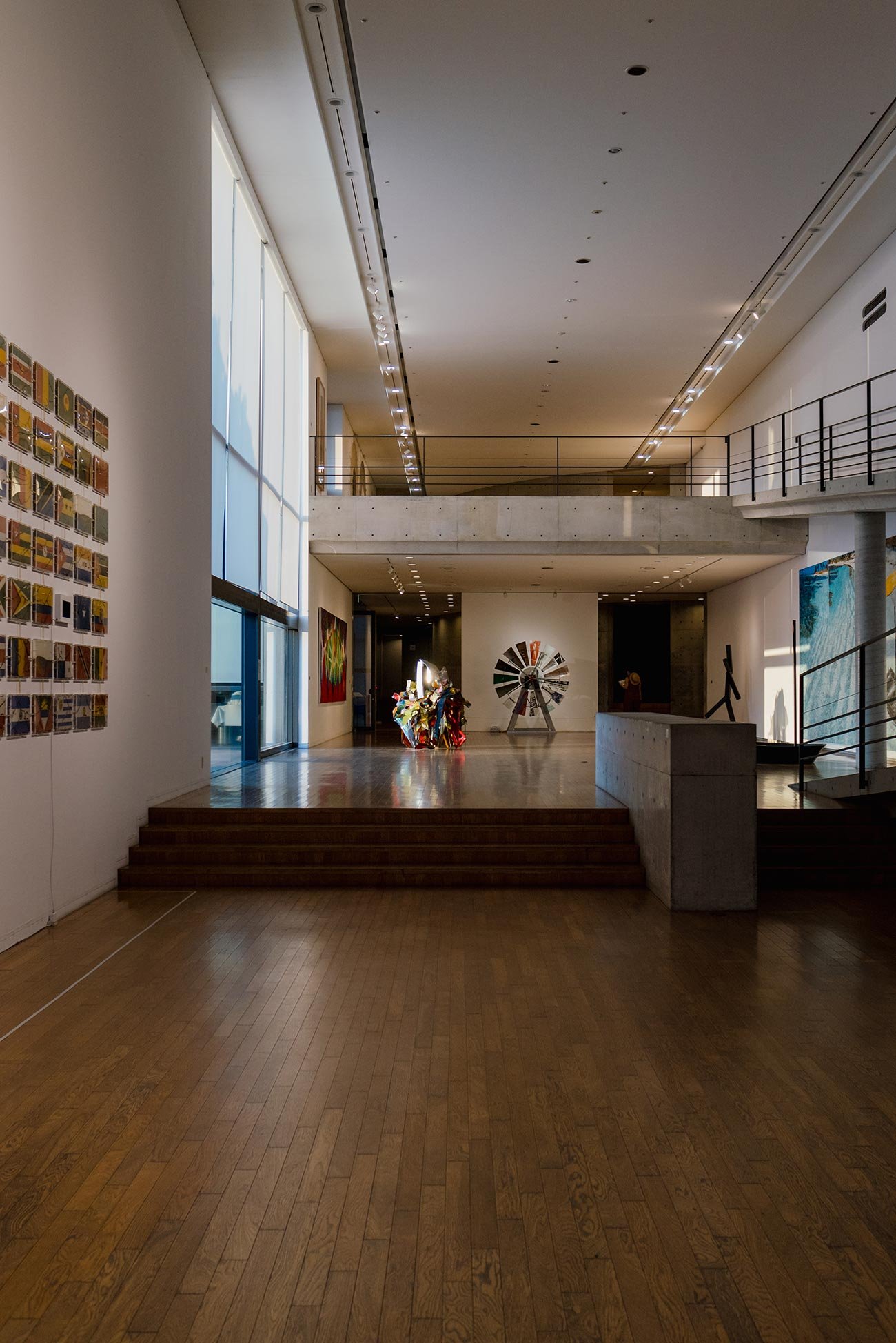
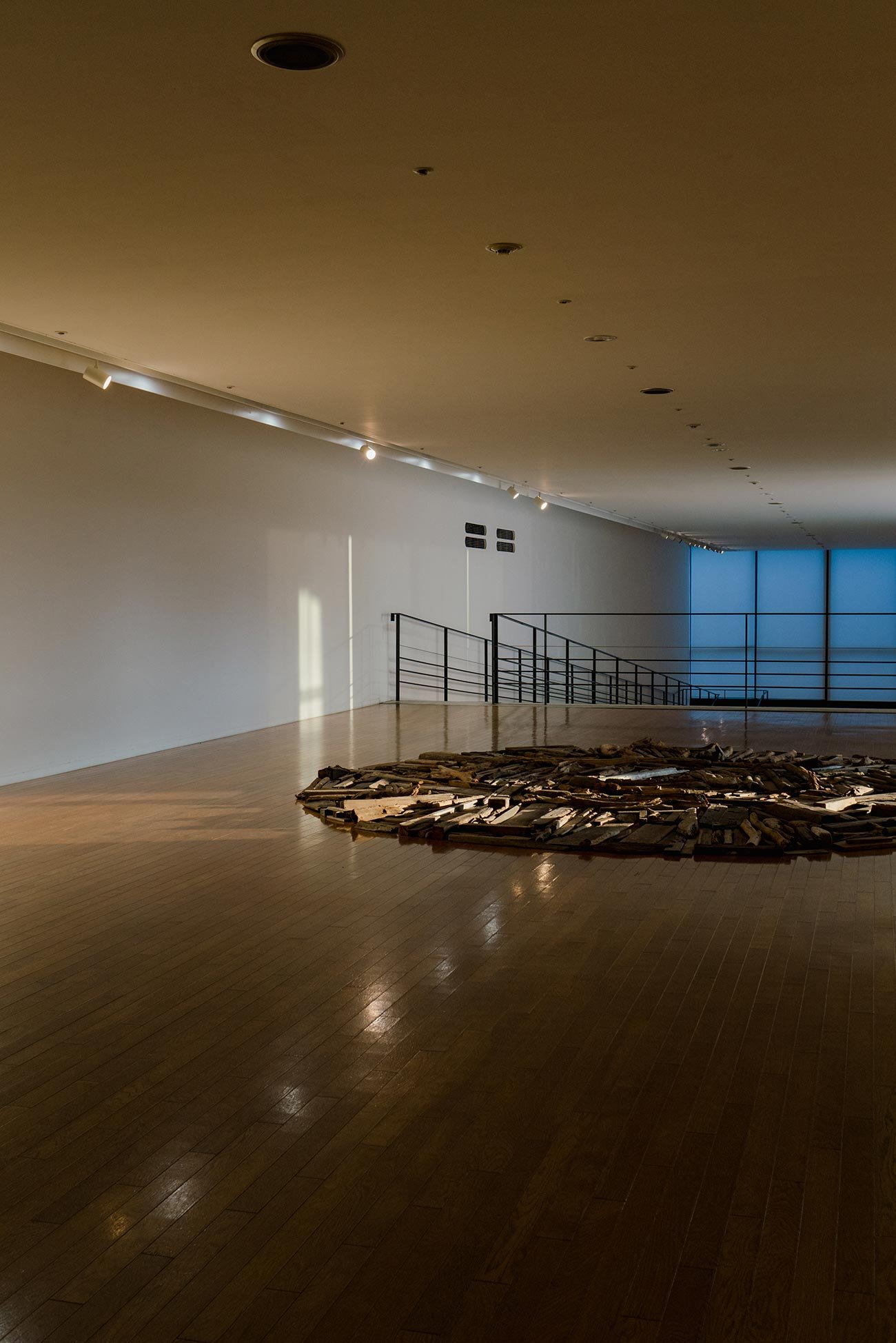
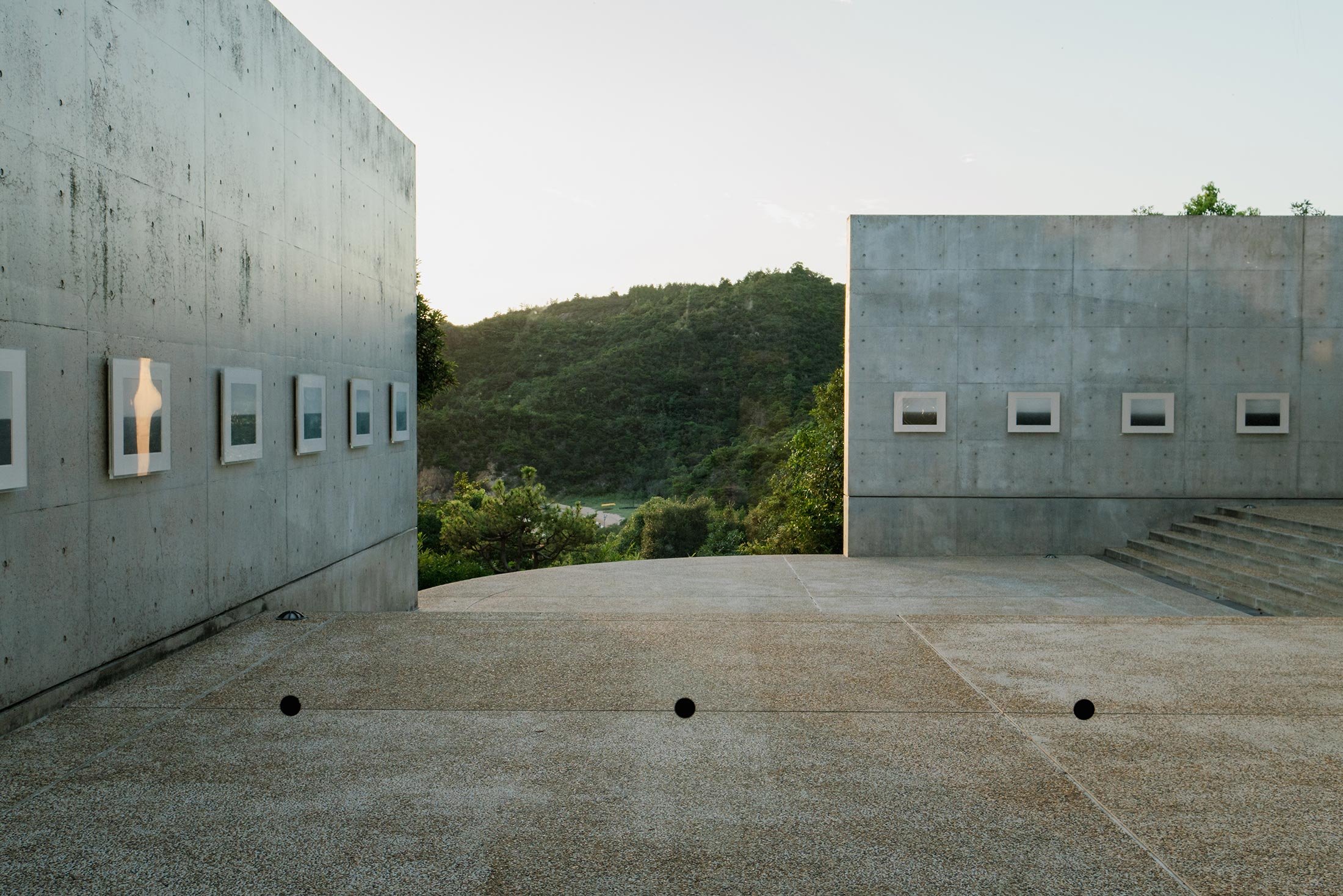
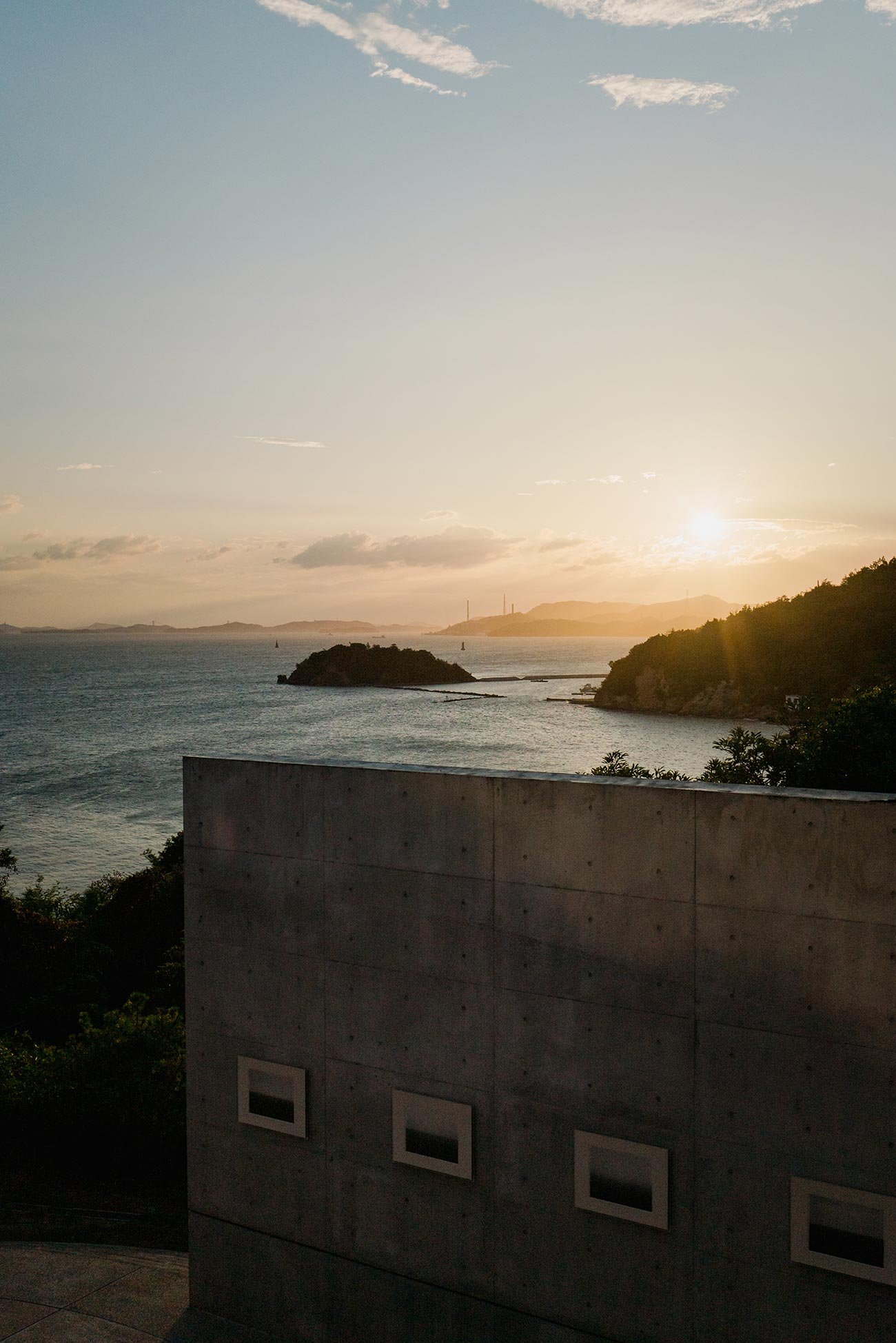
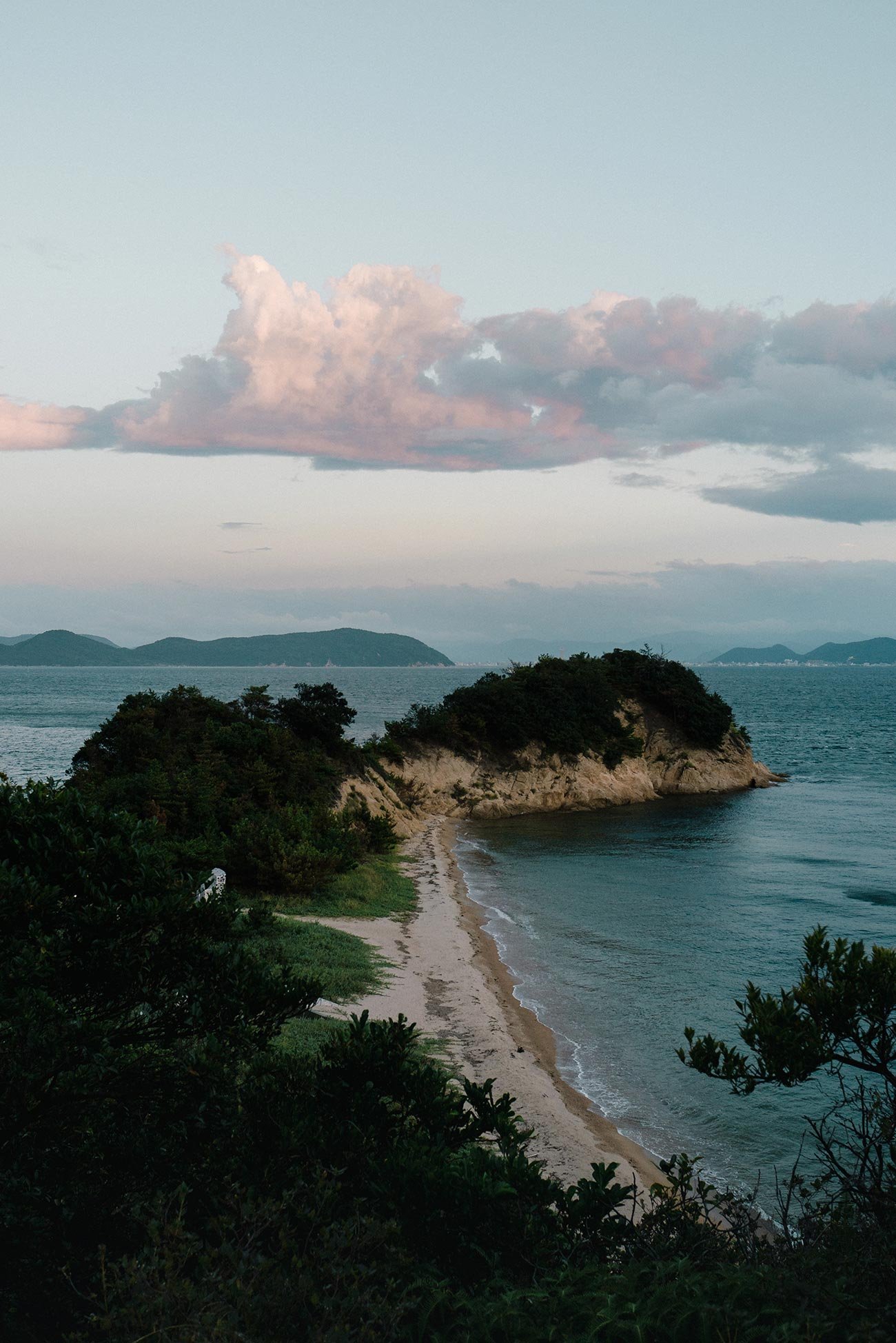
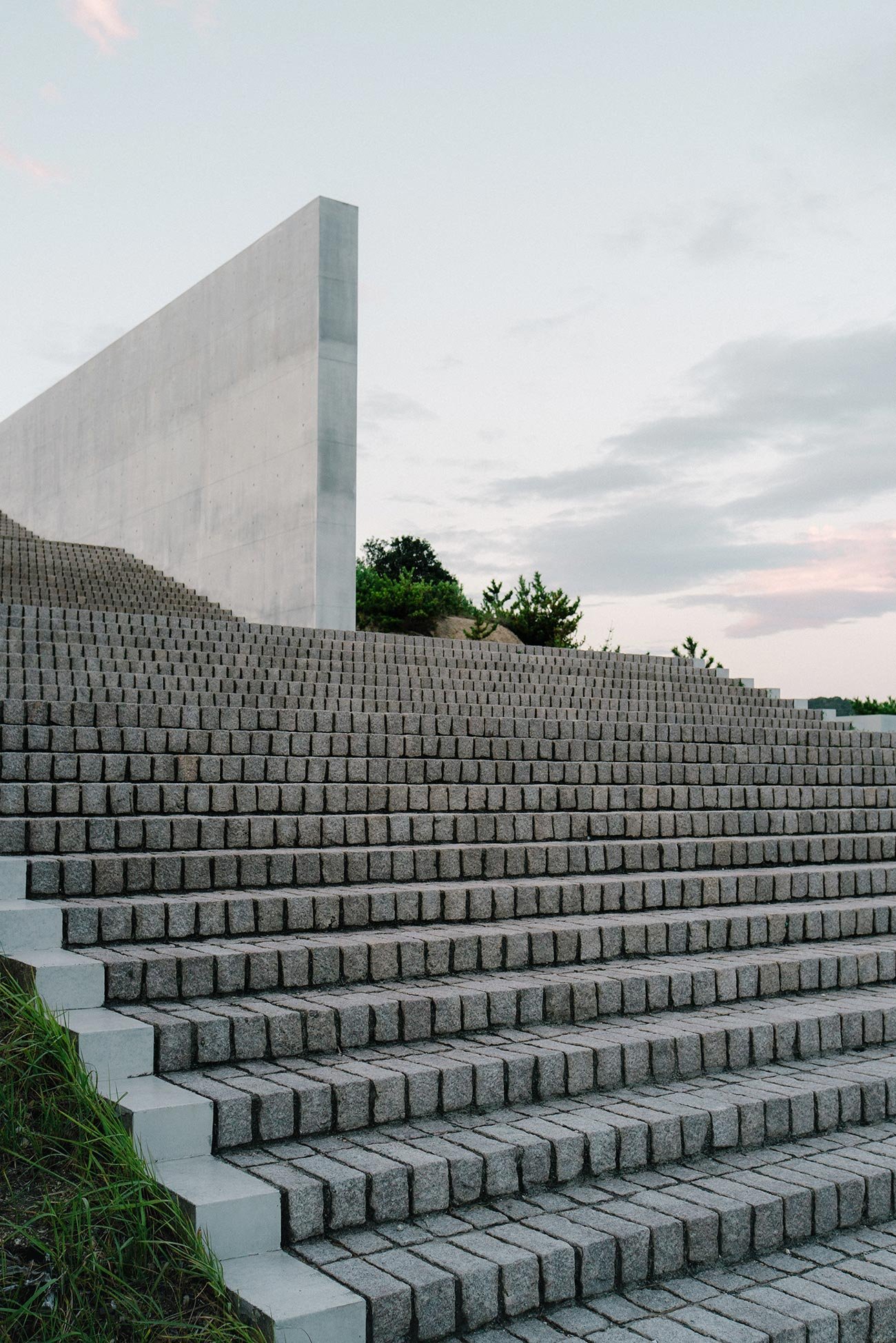
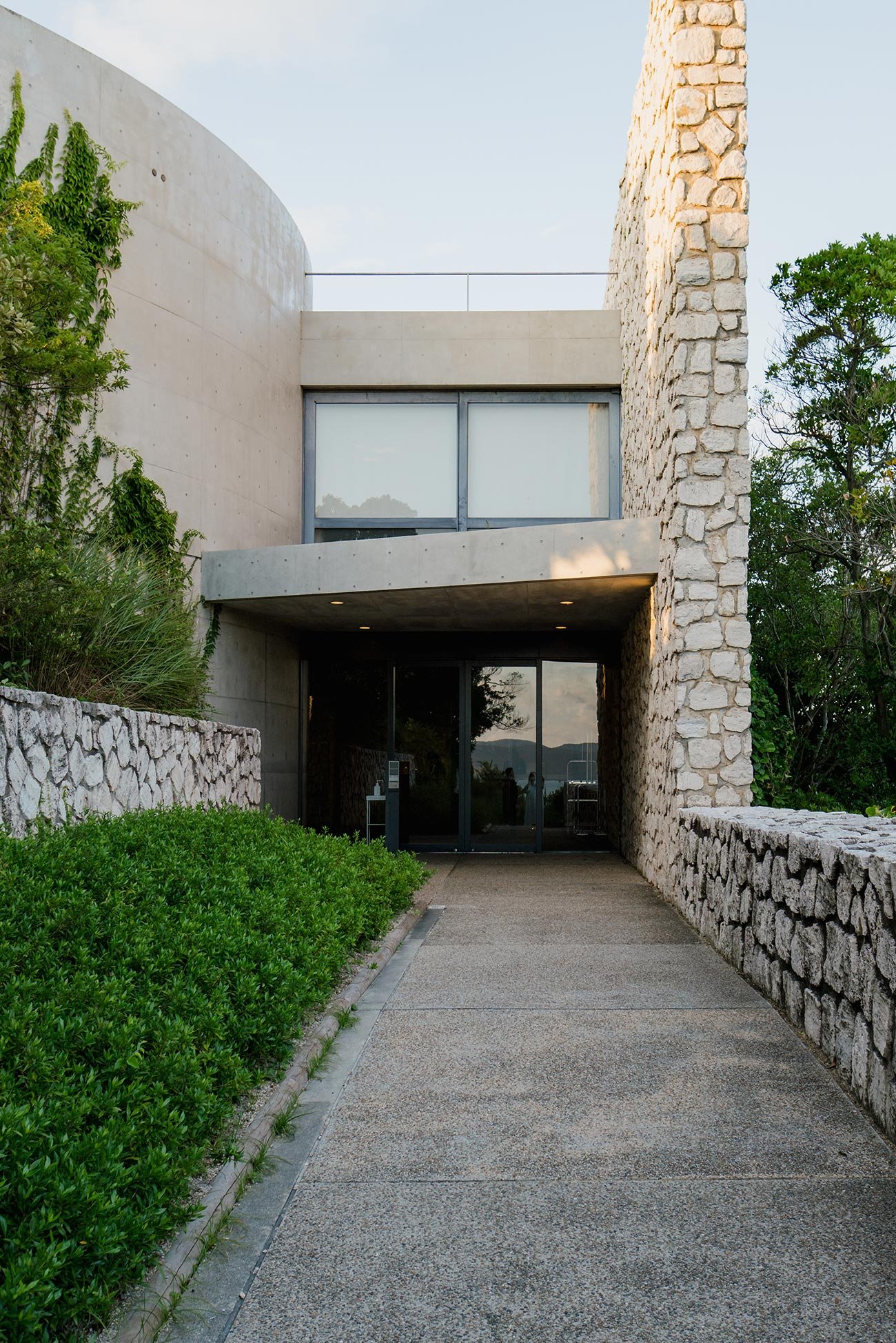
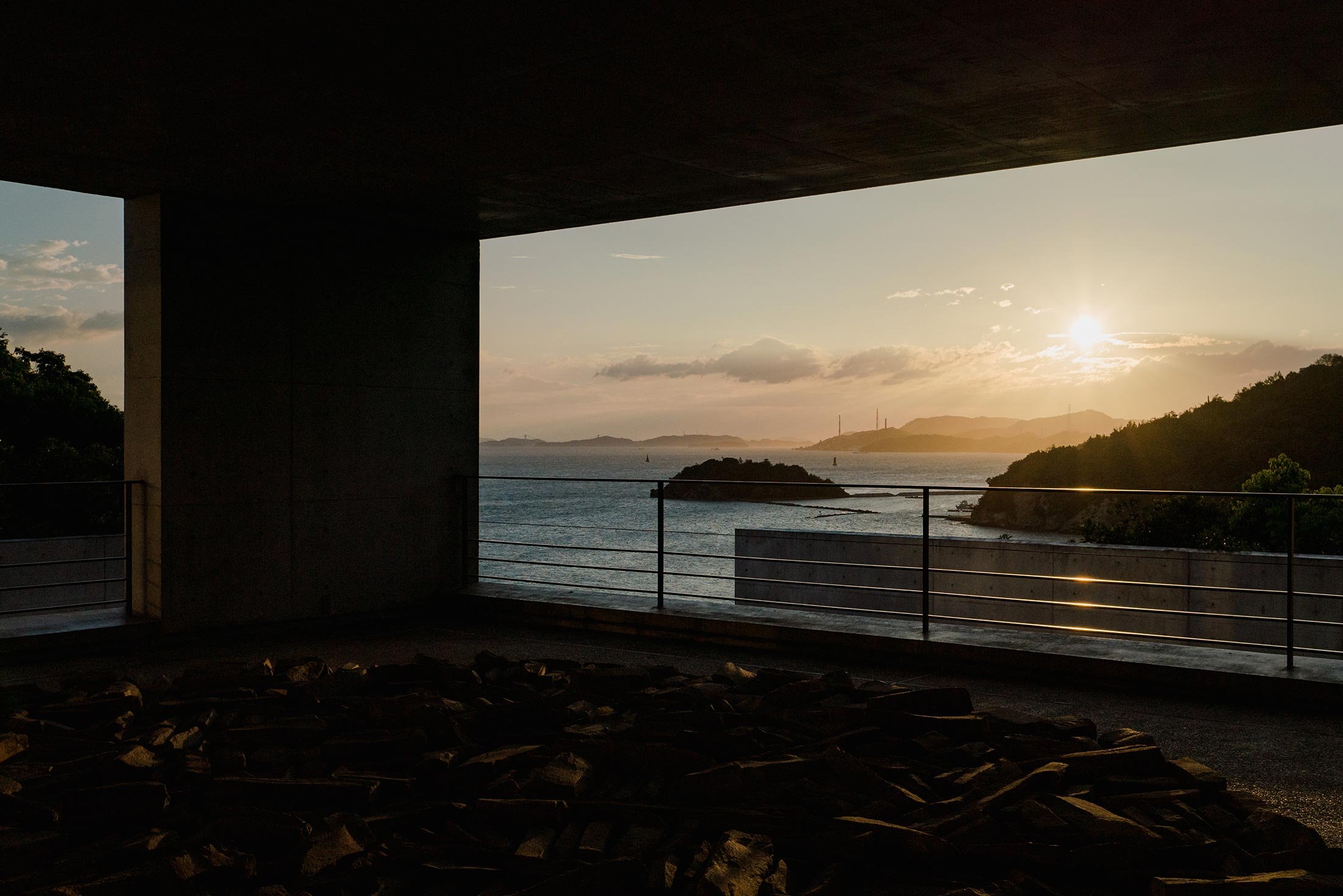
The Benesse House Museum holds work from Yayoi Kusama, Lee Ufan, Bruce Nauman, and others, spread across galleries that were clearly built around the art rather than the other way around, the building keeps opening up to the water and the hills instead of shutting them out.
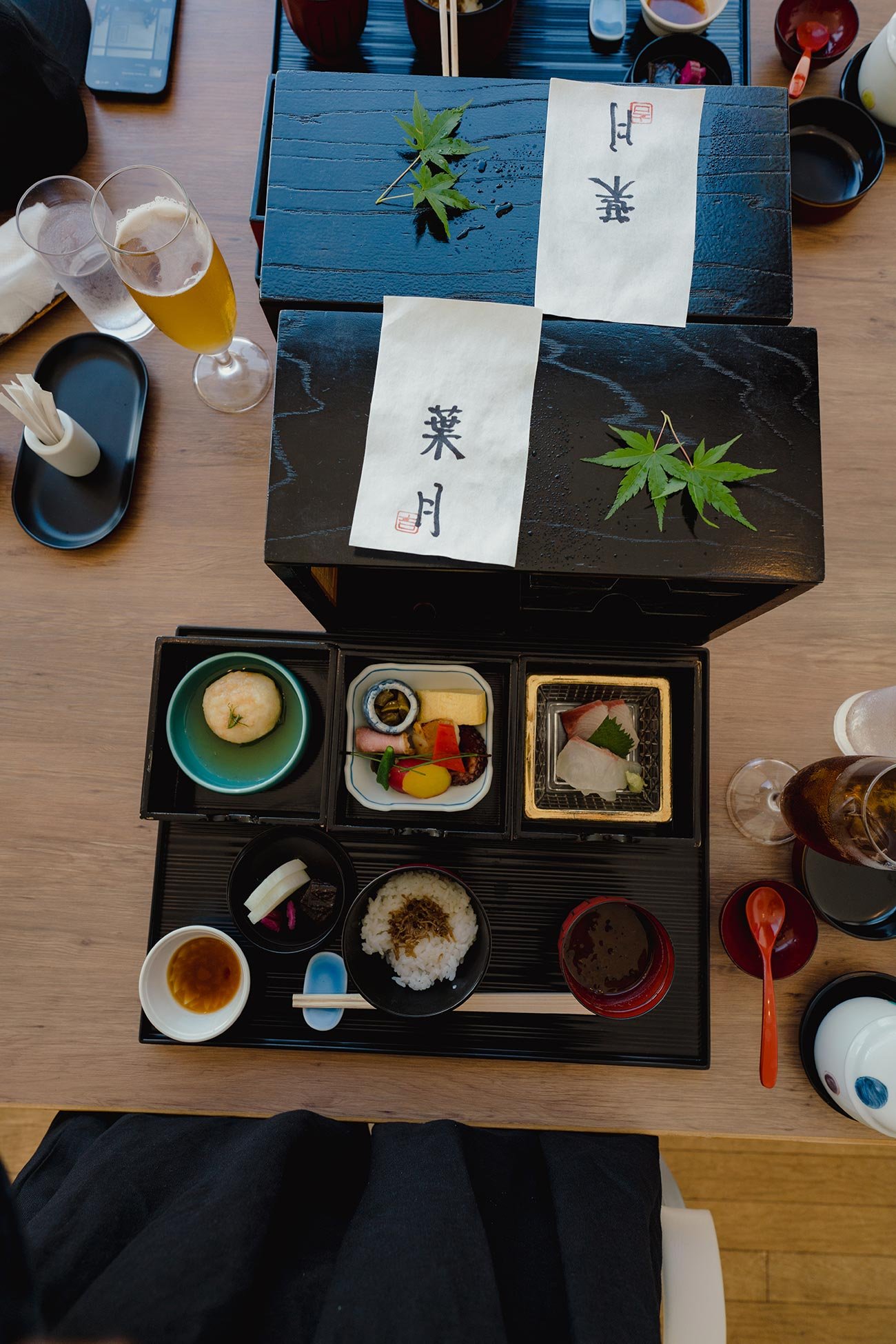
We ate lunch at the museum's restaurant, Japanese-style bento boxes, beautifully put together, one of those meals that turns out to be a highlight of the day almost by accident. Shuttles run between the buildings for free, which we ended up using more than once just to get from one gallery to the next.
Yellow Pumpkin
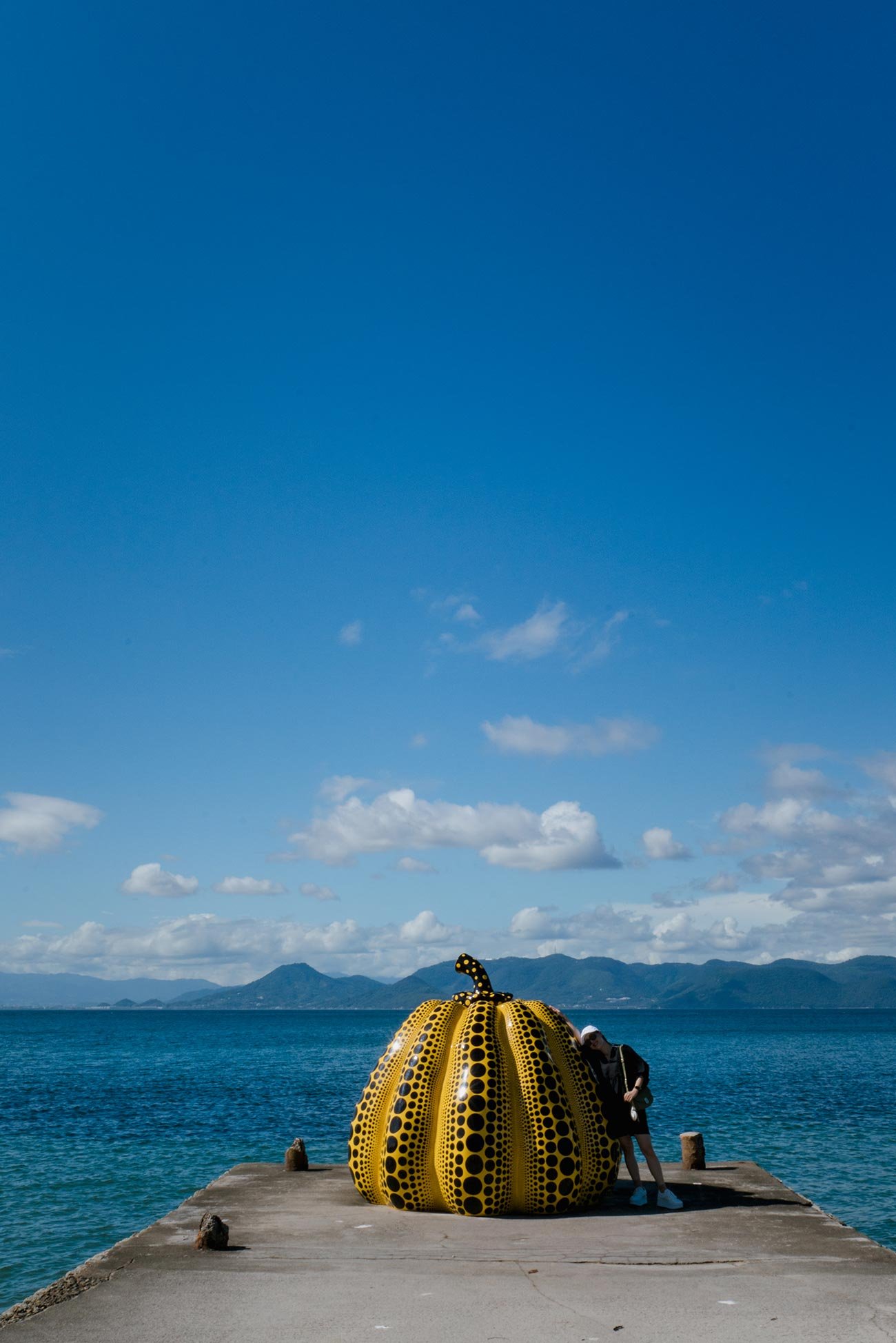
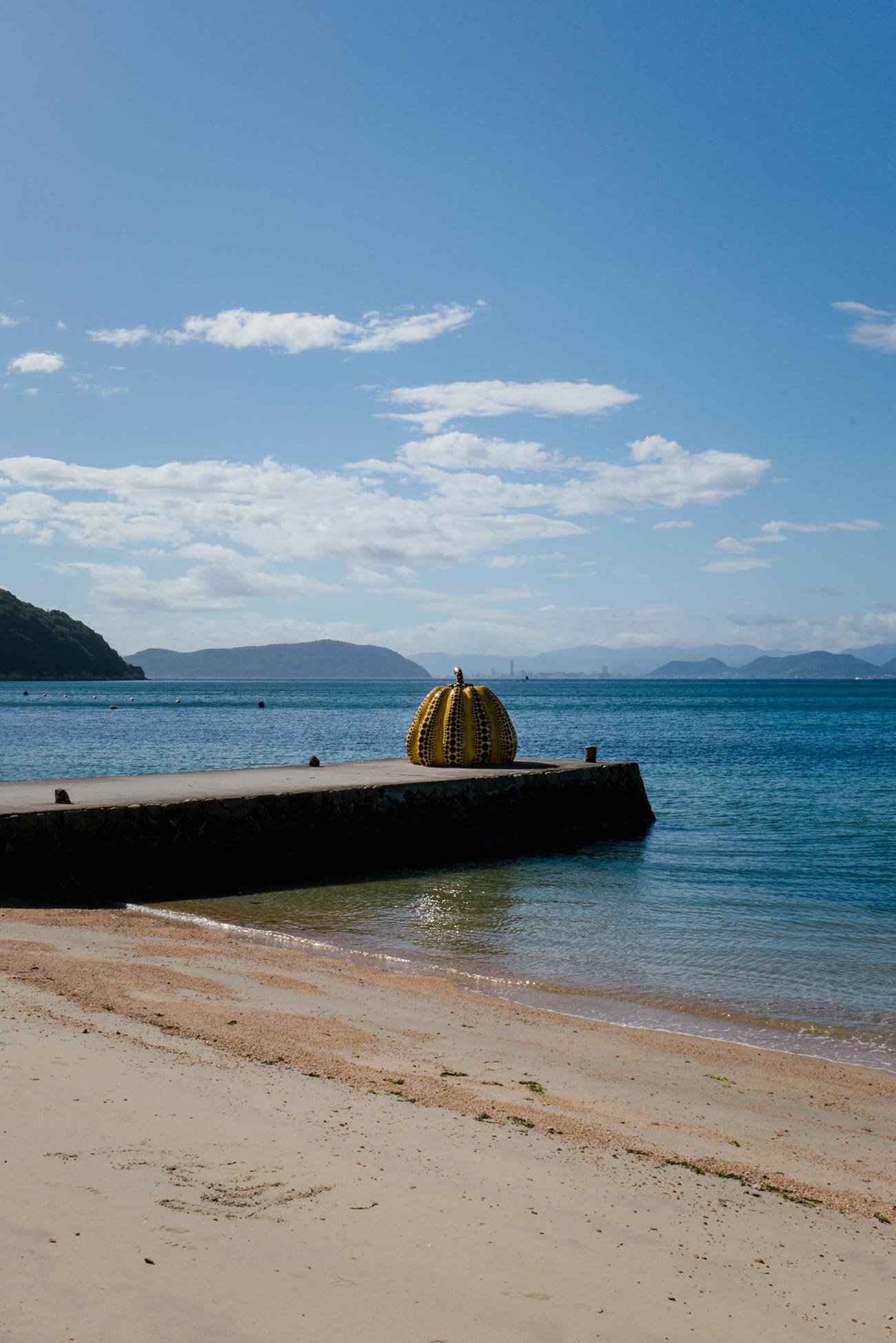
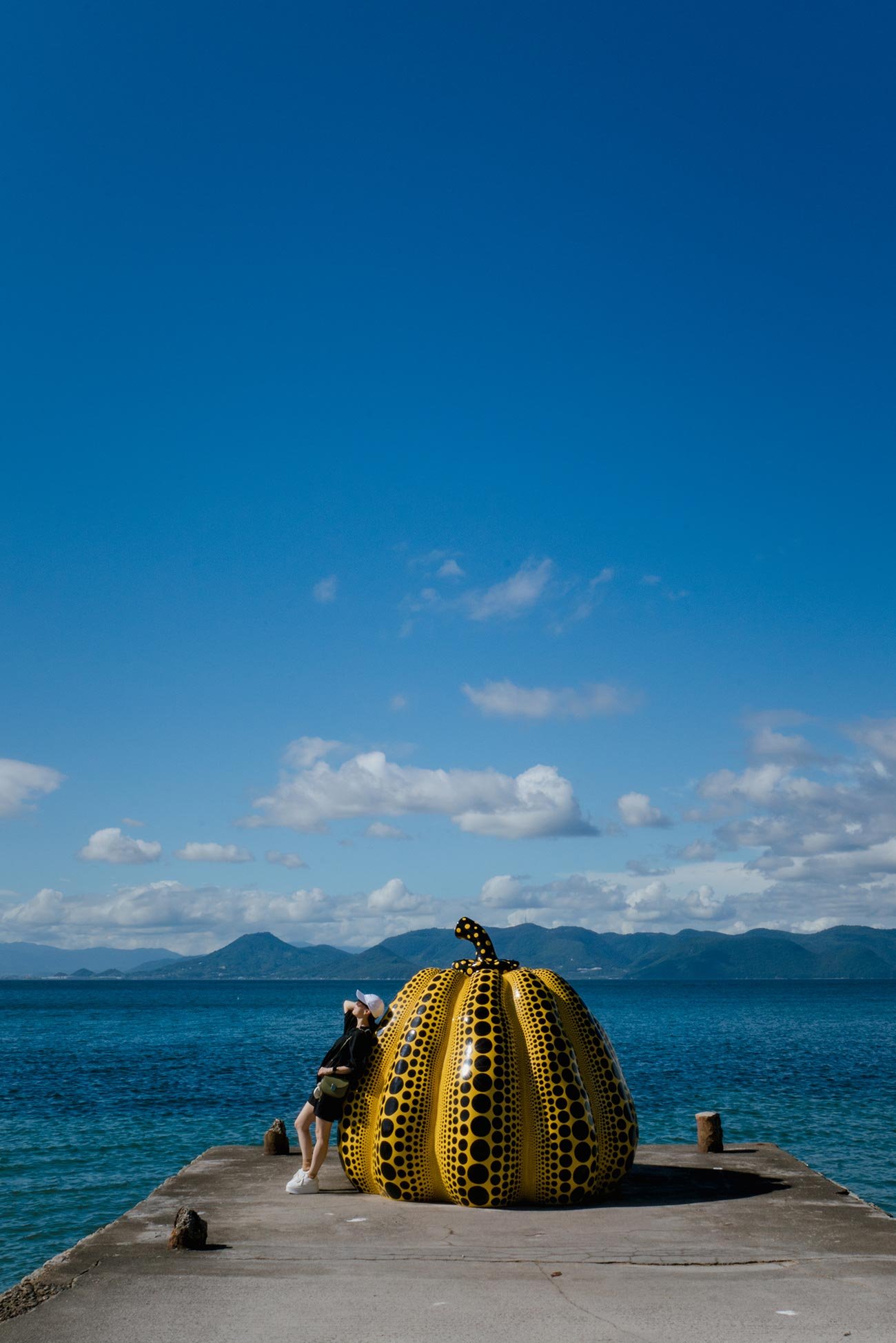
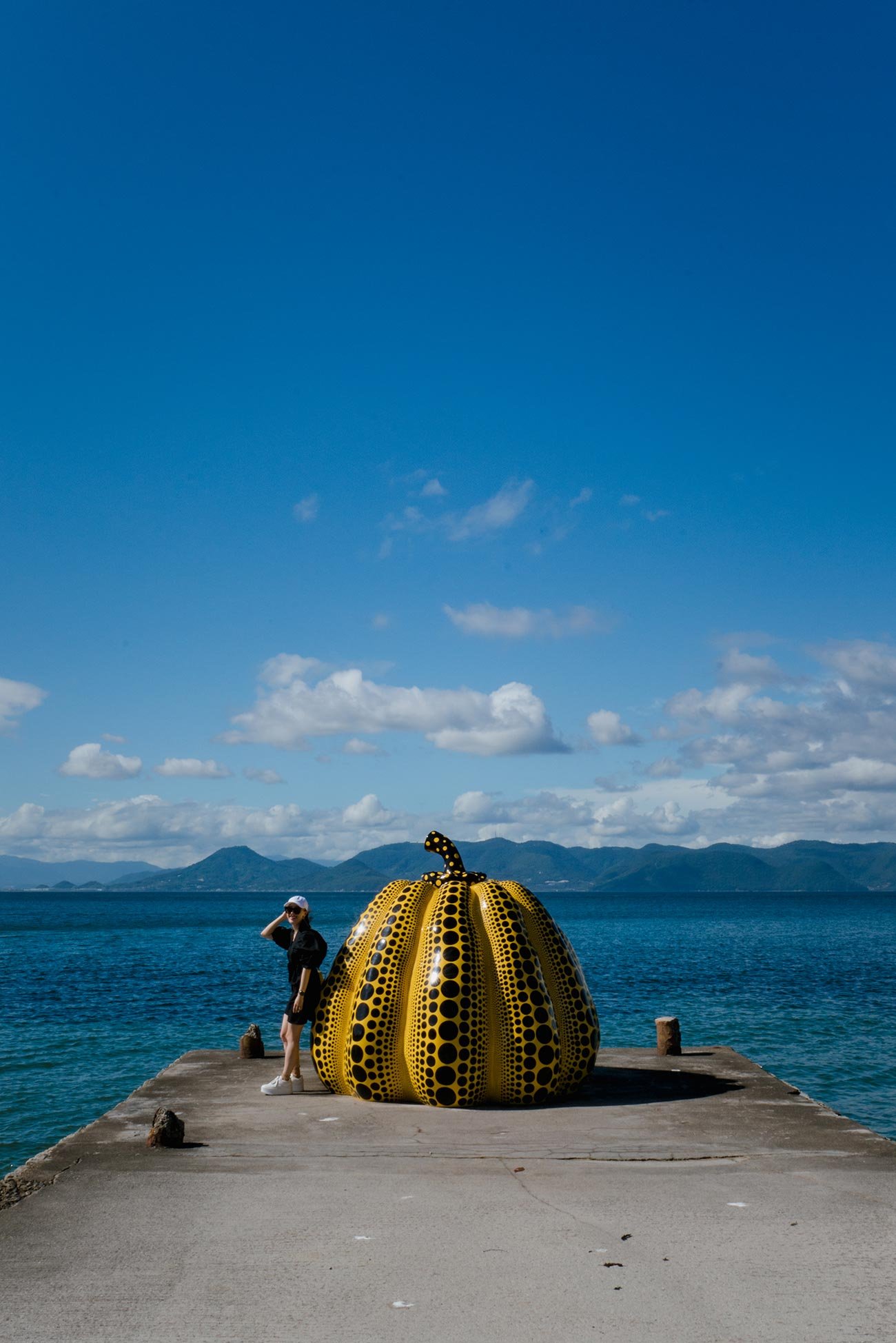
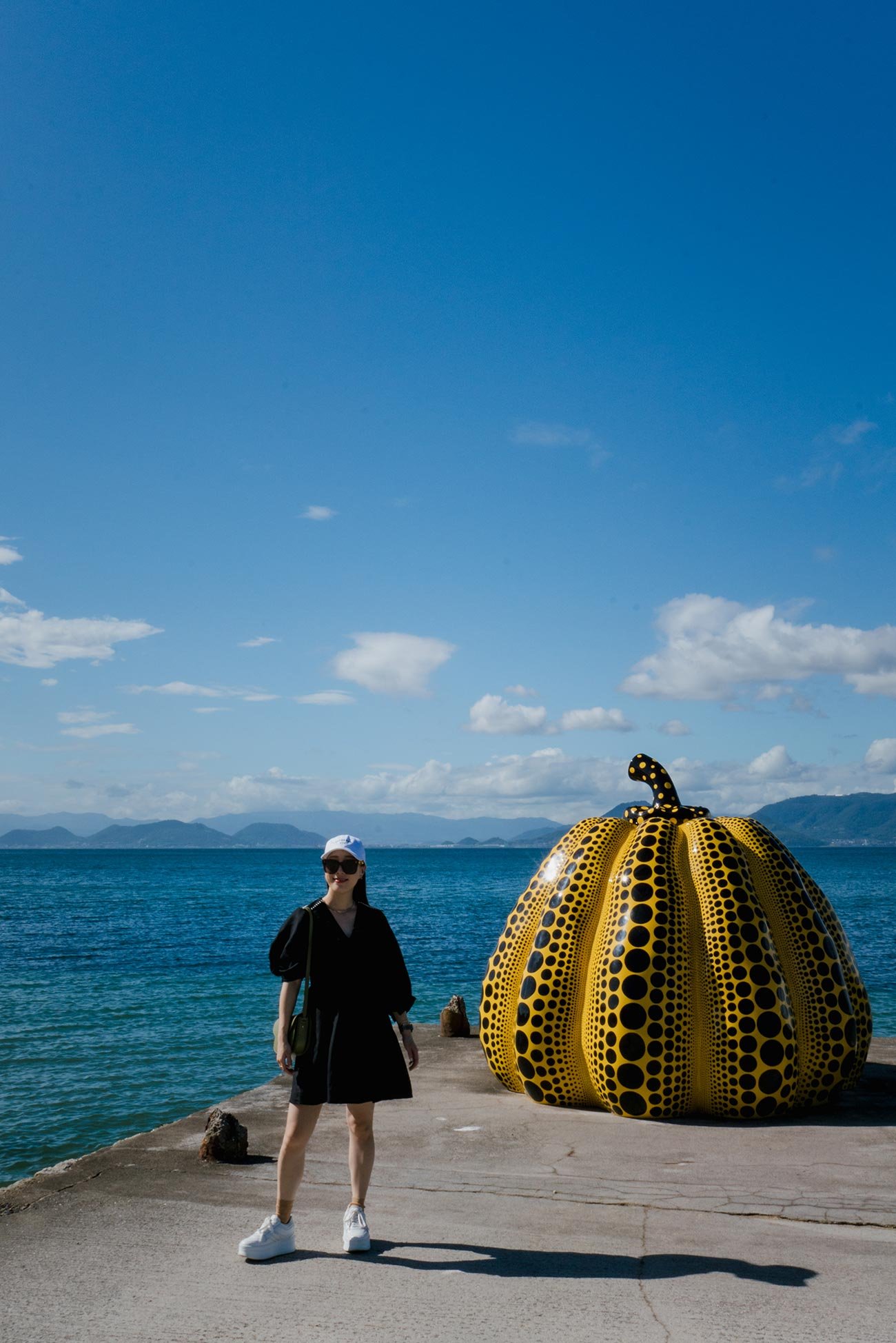
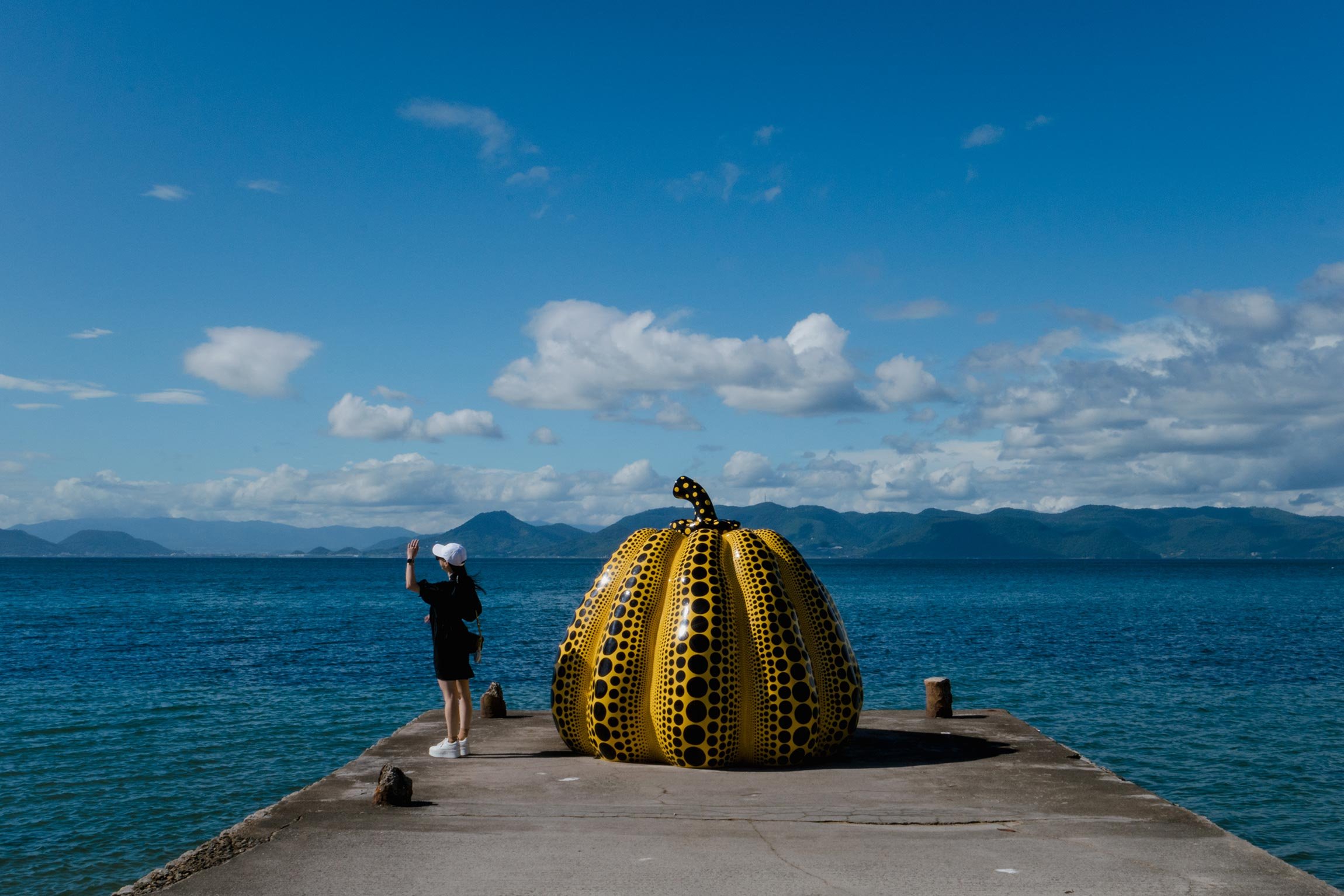
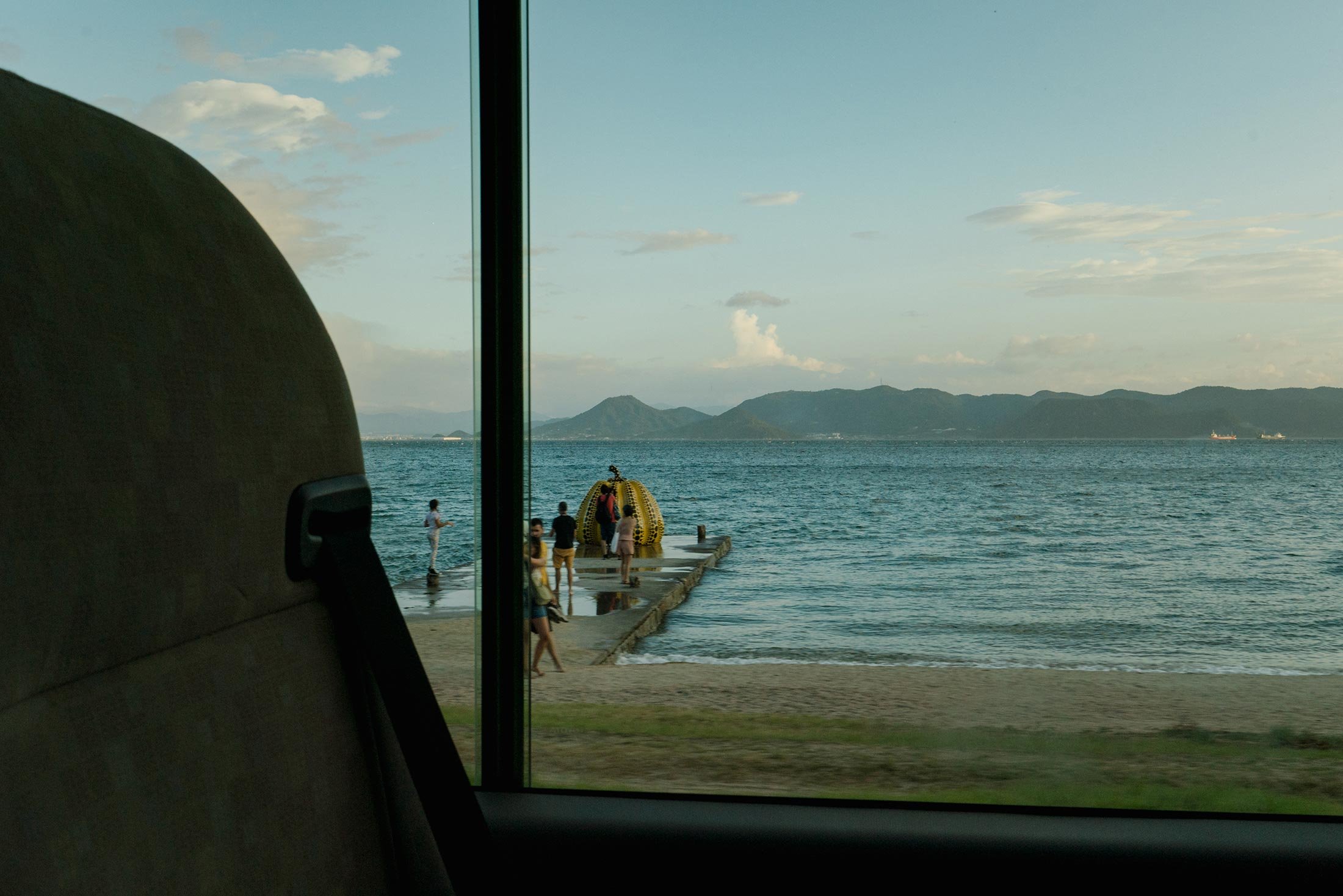
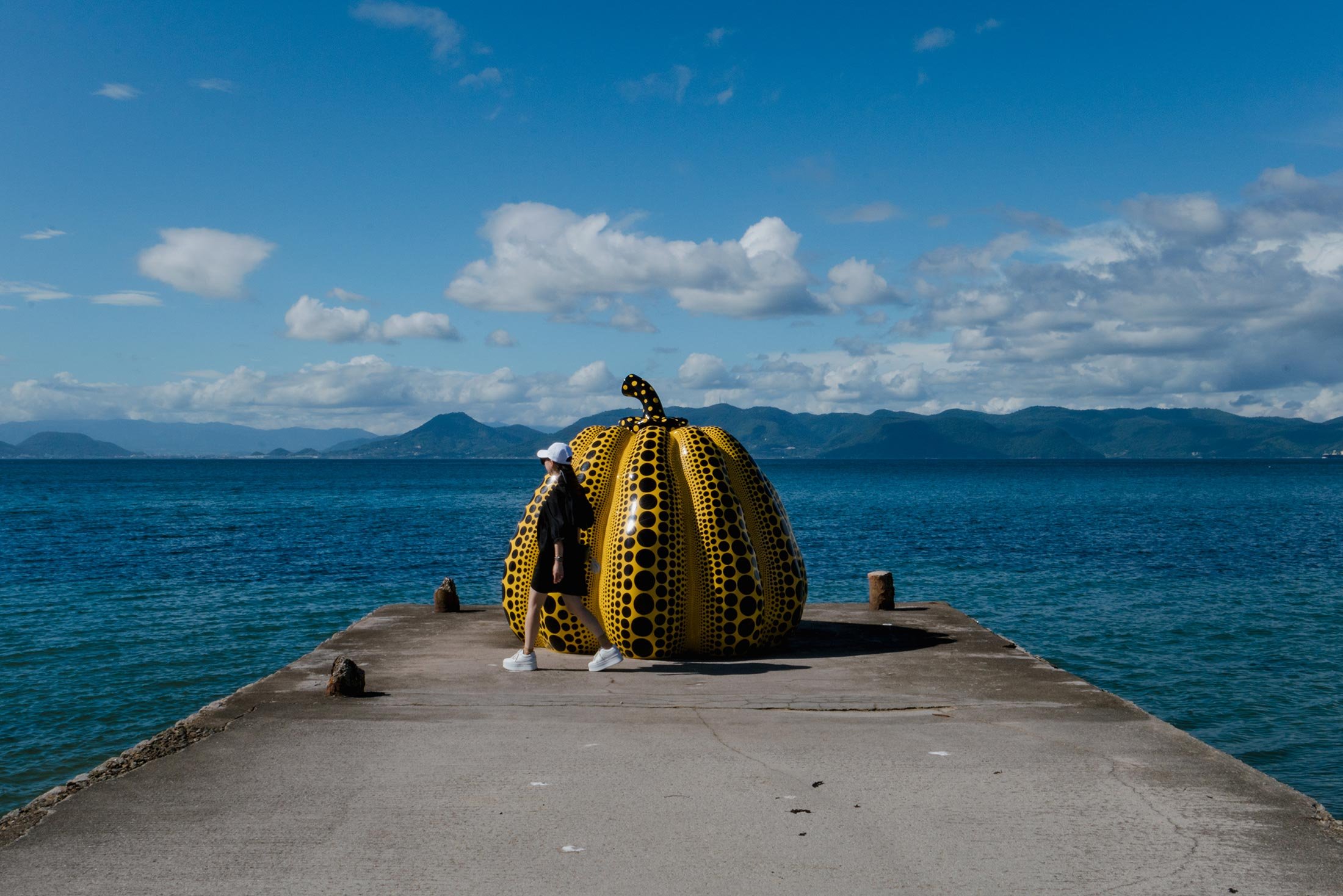
Yellow Pumpkin might be the actual star of the island. Kusama's sculpture sits right on the waterfront near Miyanoura Port, sea on one side, the hills of Naoshima on the other, and it was close enough to Benesse House that we walked past it several times just going about our day. Watching other people show up to take their photo with it became its own small entertainment.
We went back around 9 a.m. the next morning specifically to get our own photos, and there was no line yet, just us and the pumpkin and whoever was walking their dog.
Kusama's pumpkins carry a specific kind of meaning for her, tied to fertility and nature and a certain playfulness, and the polka dots that show up across almost everything she makes are meant to gesture at infinity, the idea that whatever the piece represents just keeps radiating outward past its own edges.
One more thing worth knowing: this exact pumpkin was washed into the sea and broken into three pieces during a 2021 typhoon. The one standing there now is a 2022 replacement, built with a shell 10 percent thicker so it can actually survive the next storm.
Chichu Art Museum
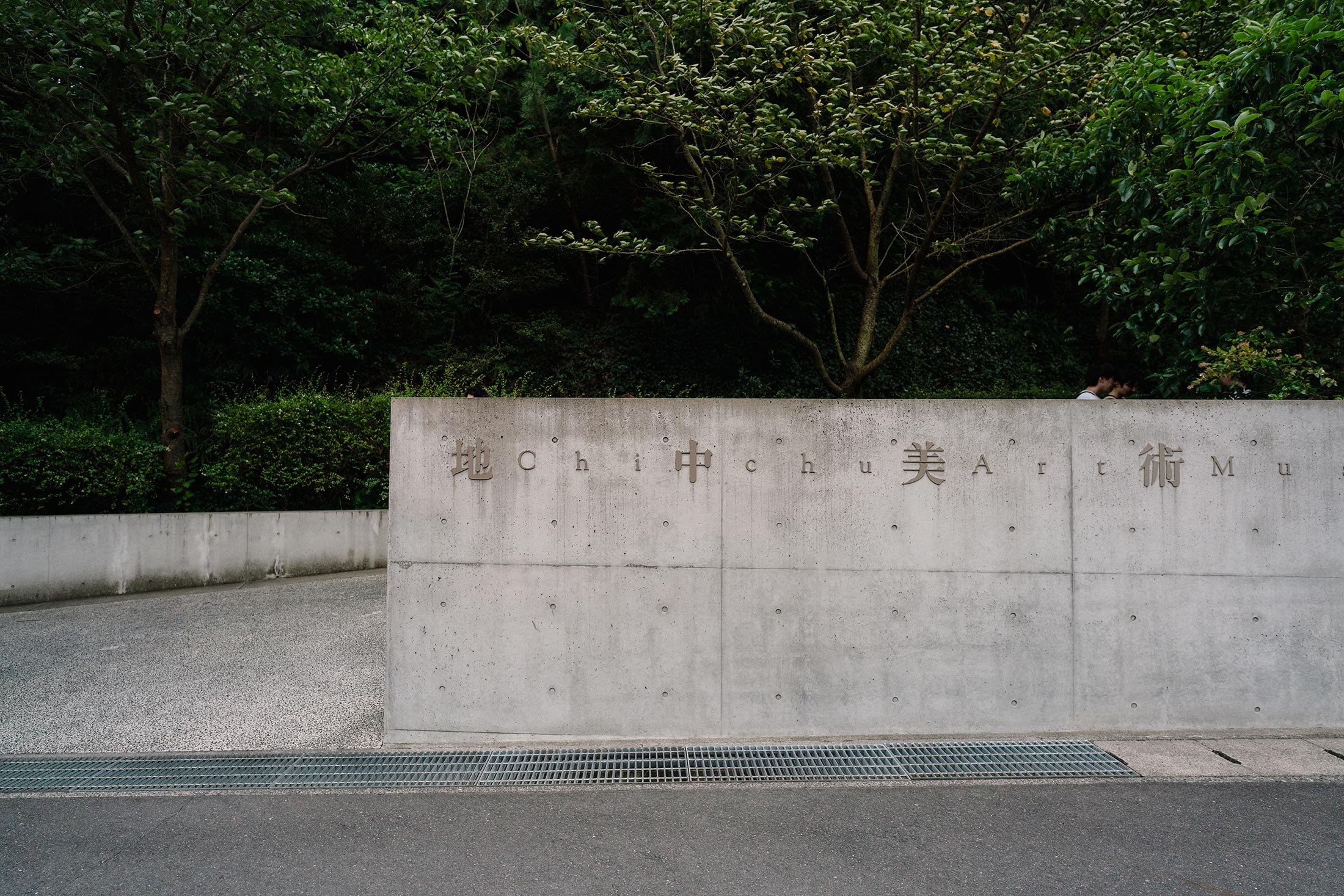
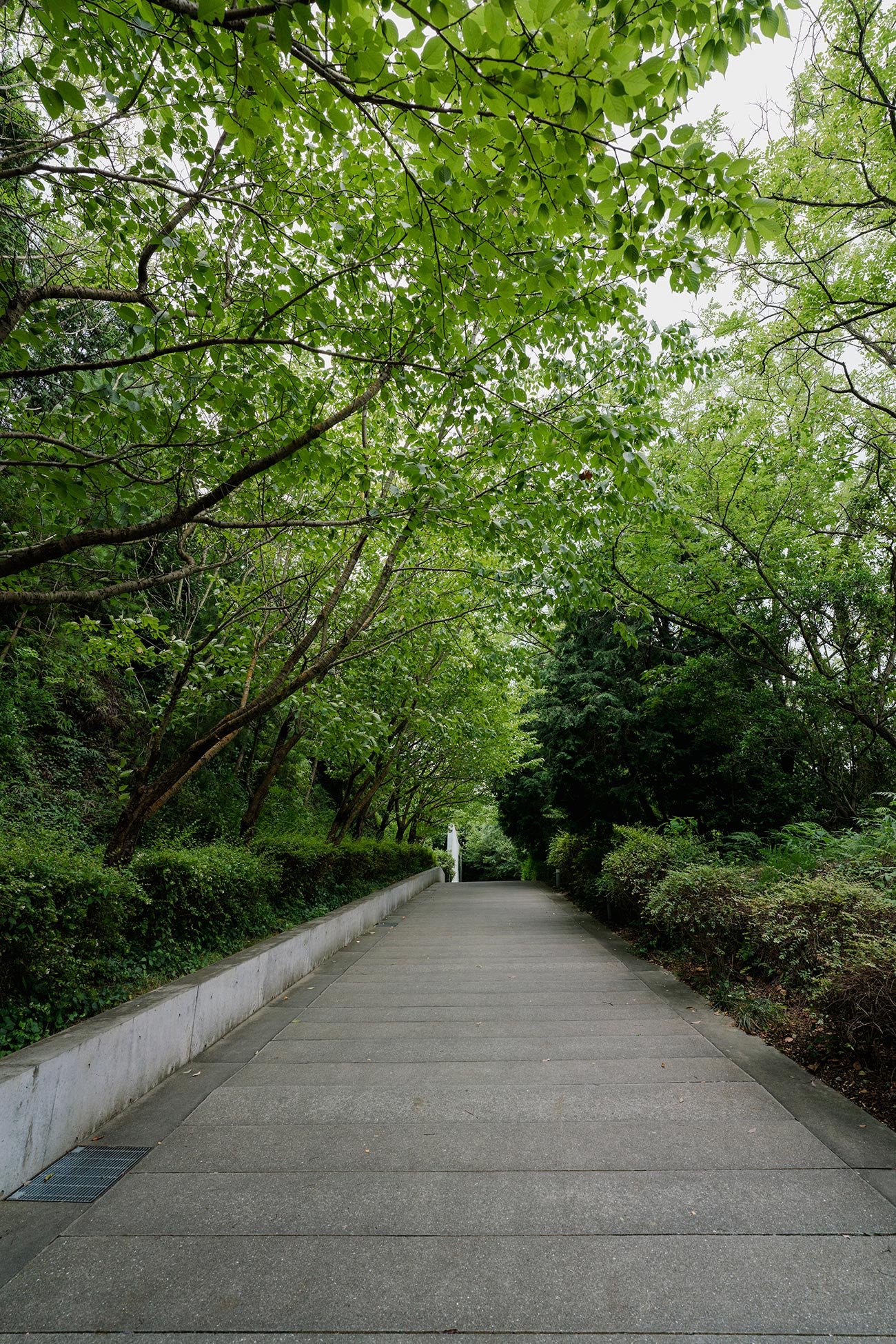
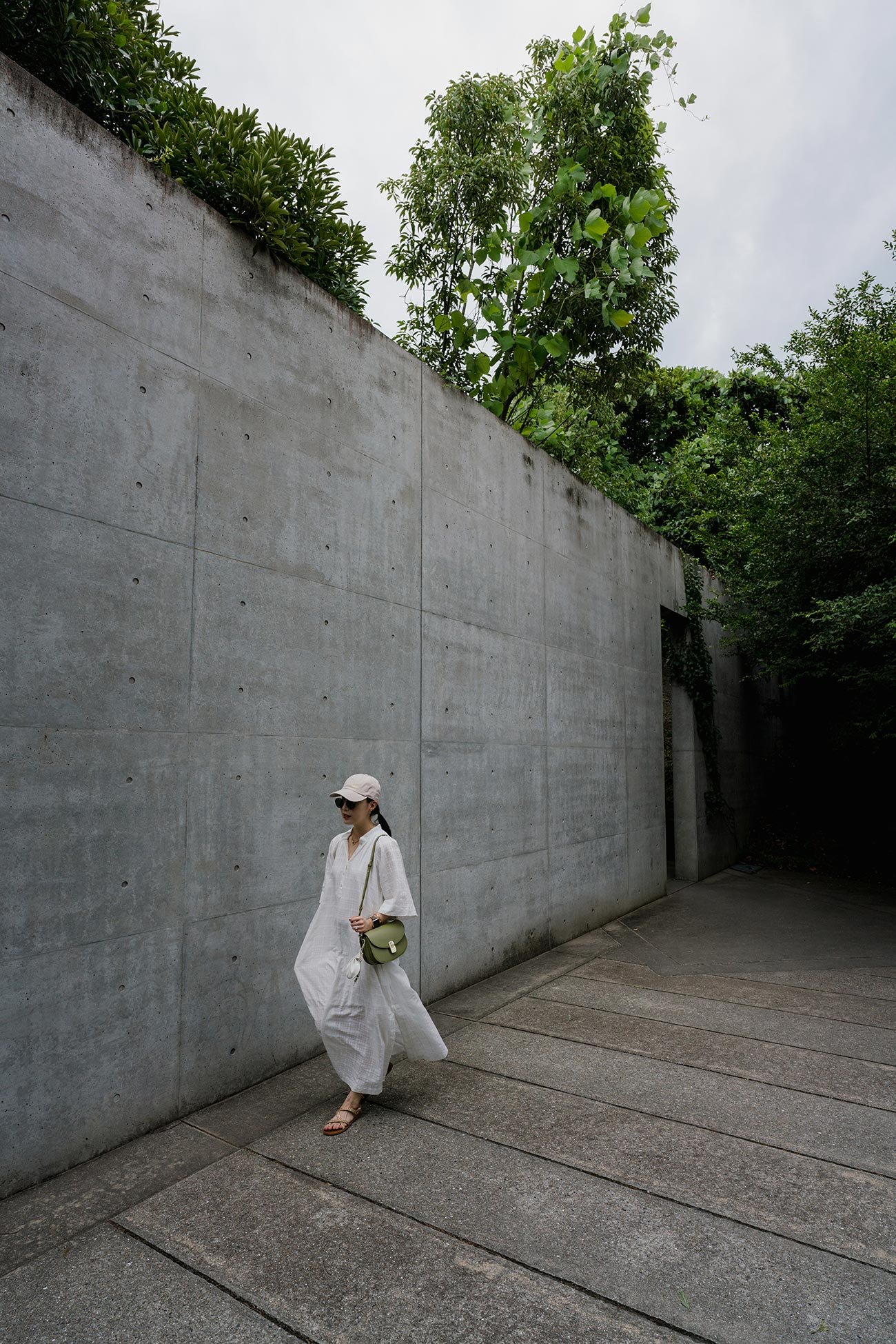
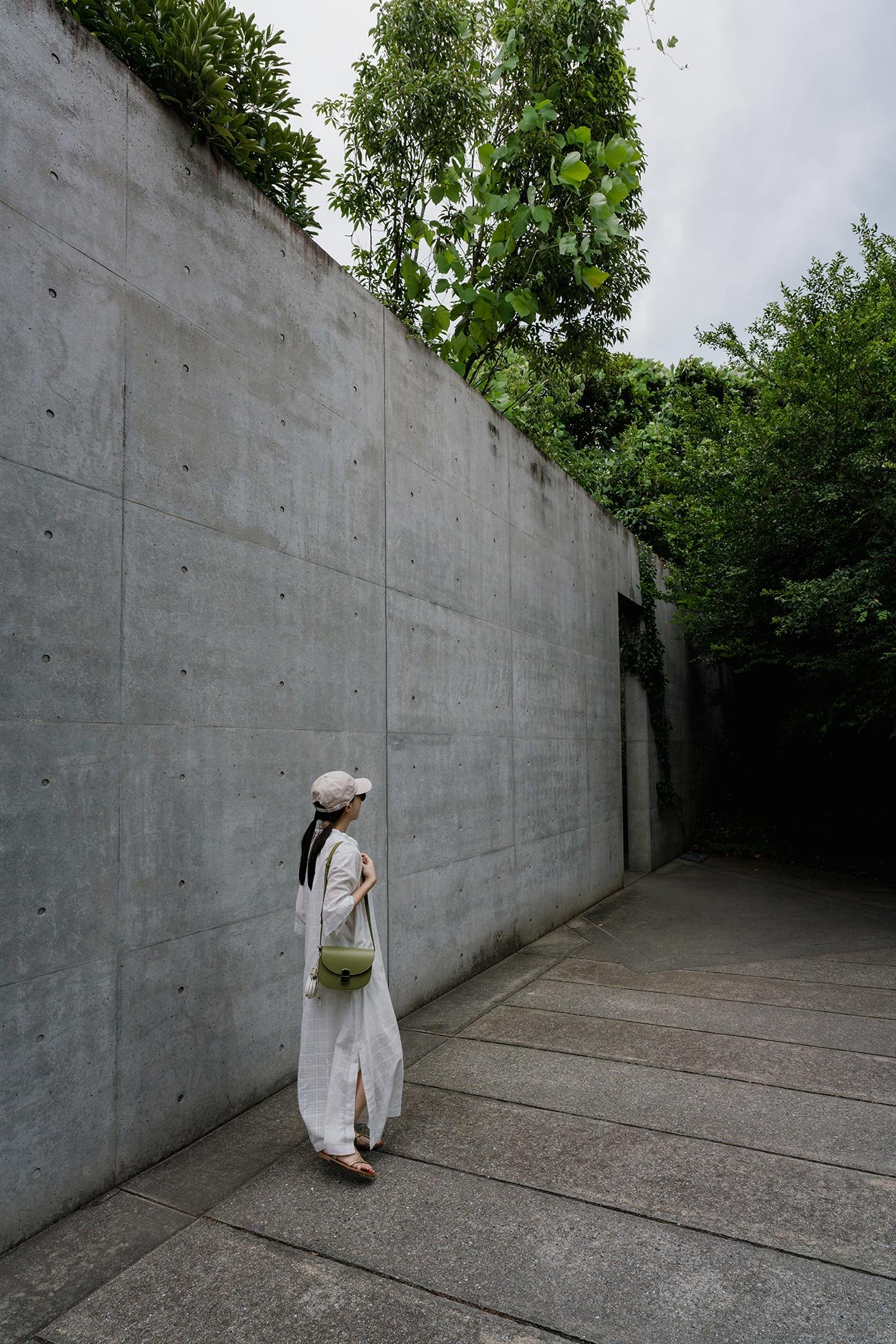
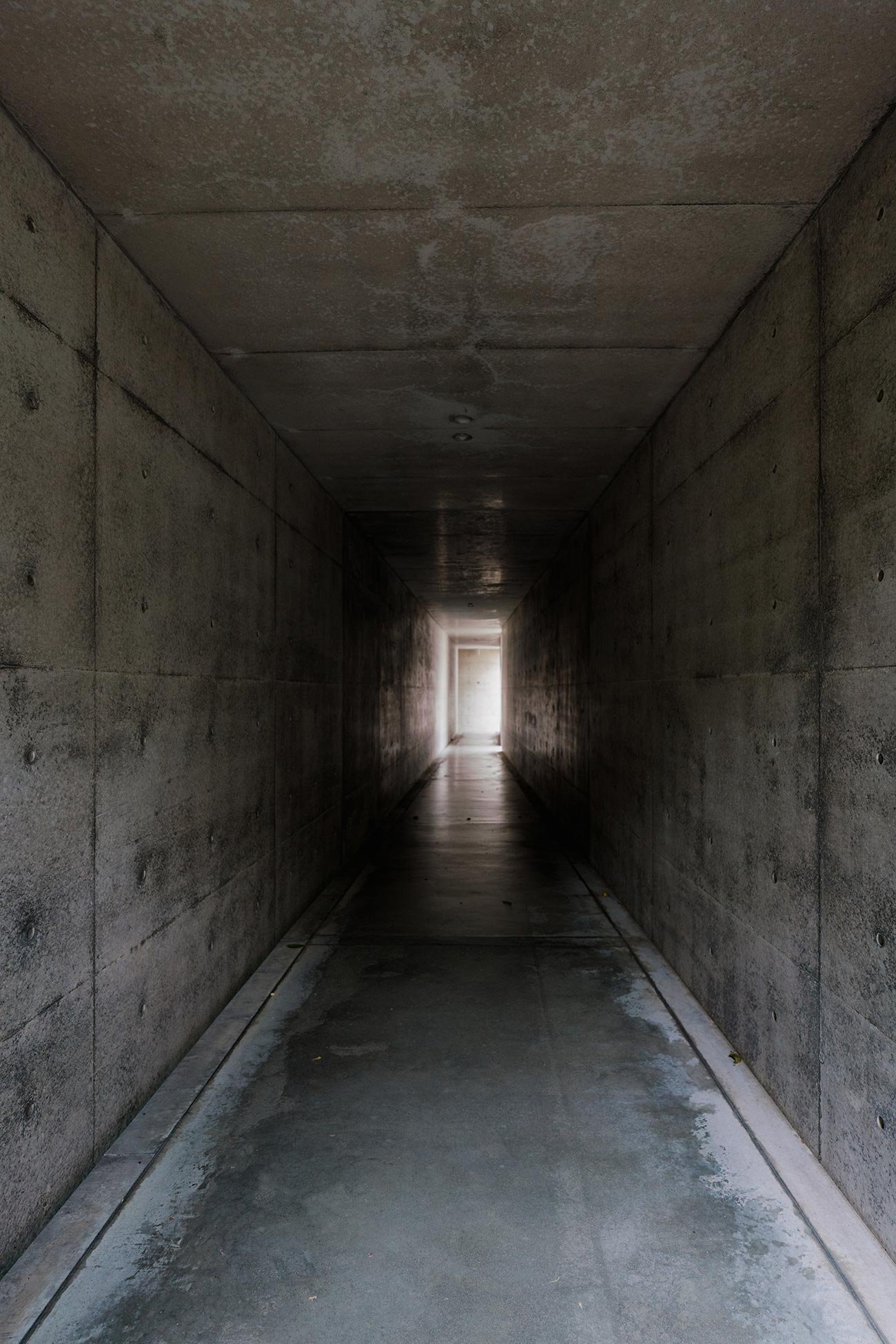
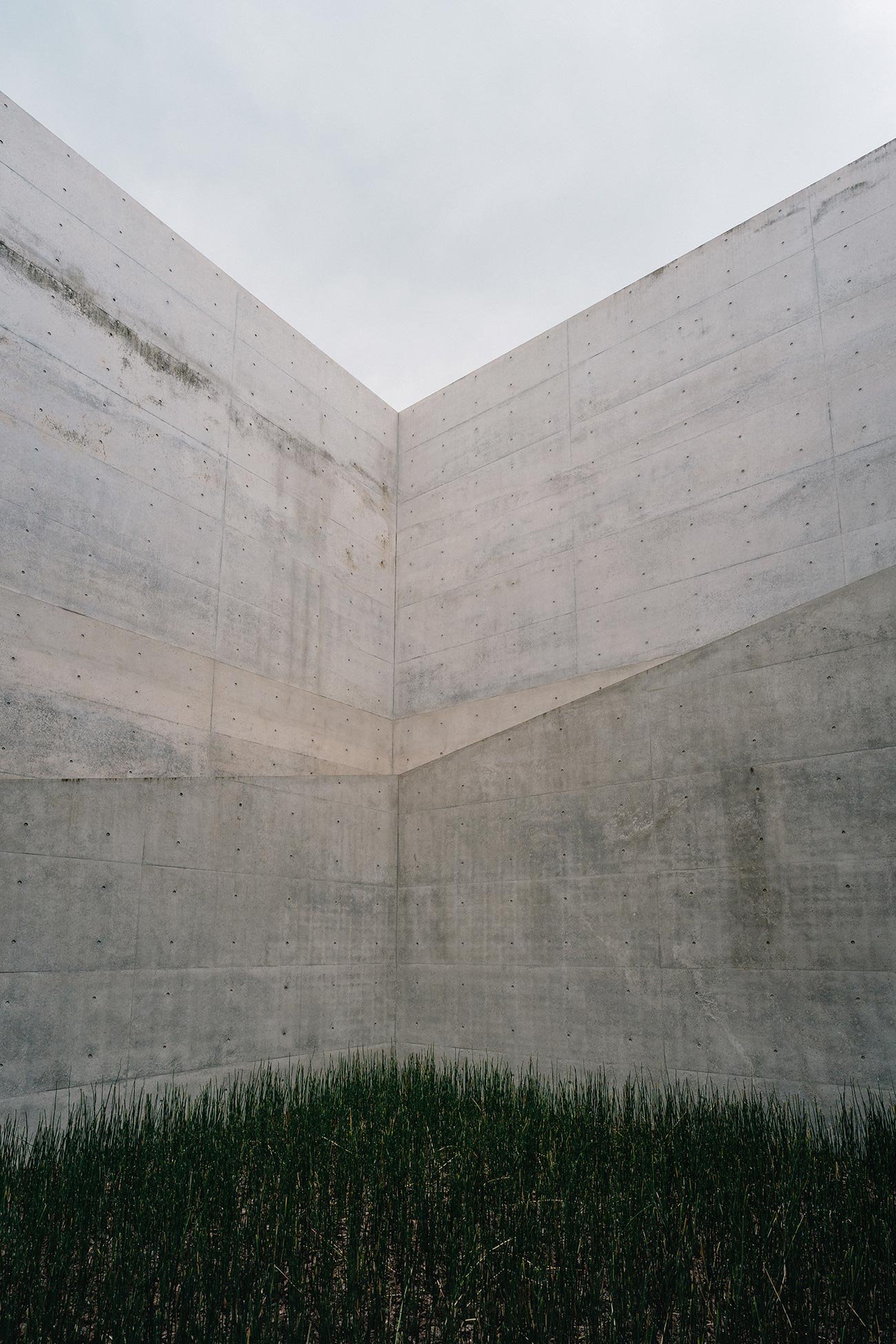
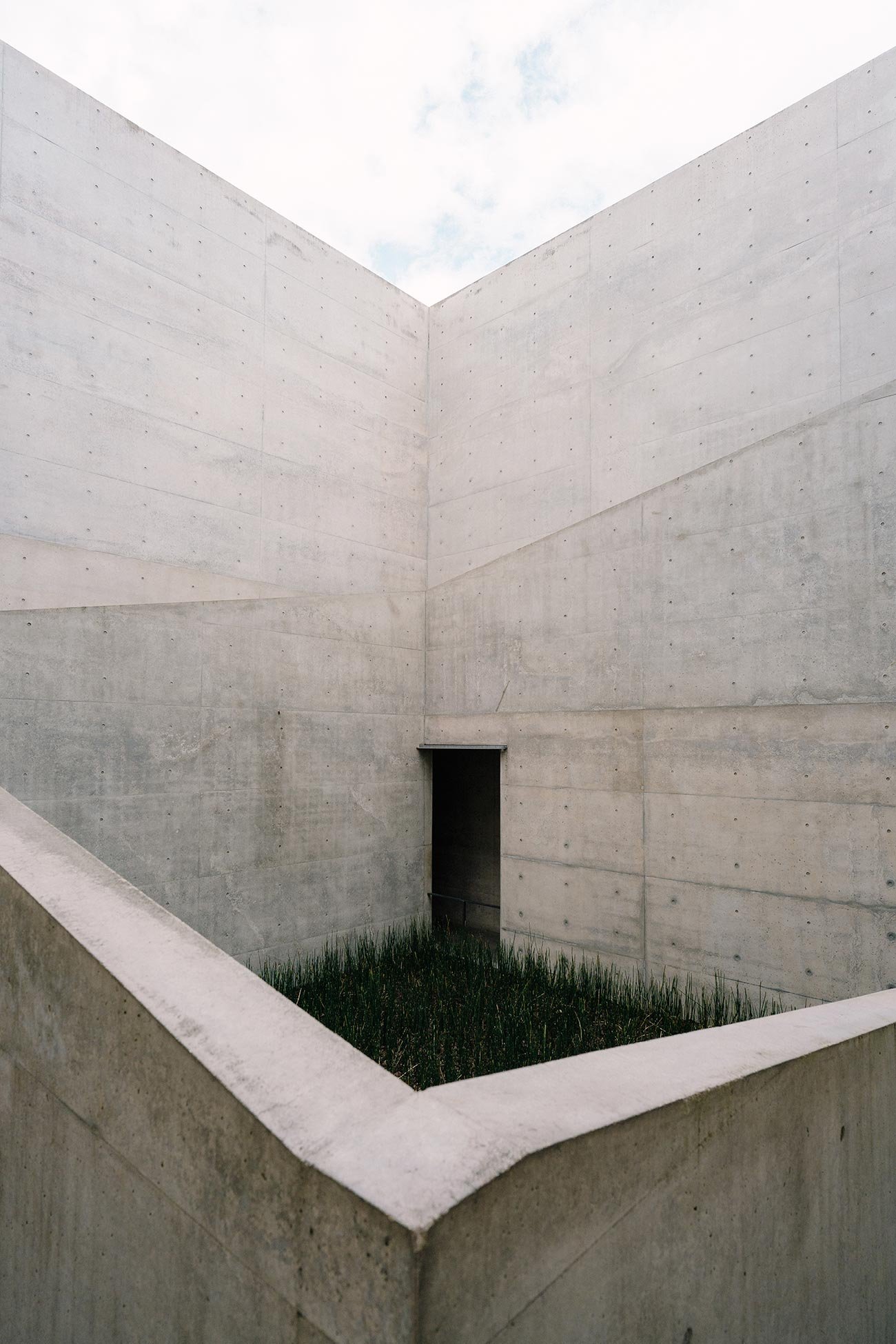
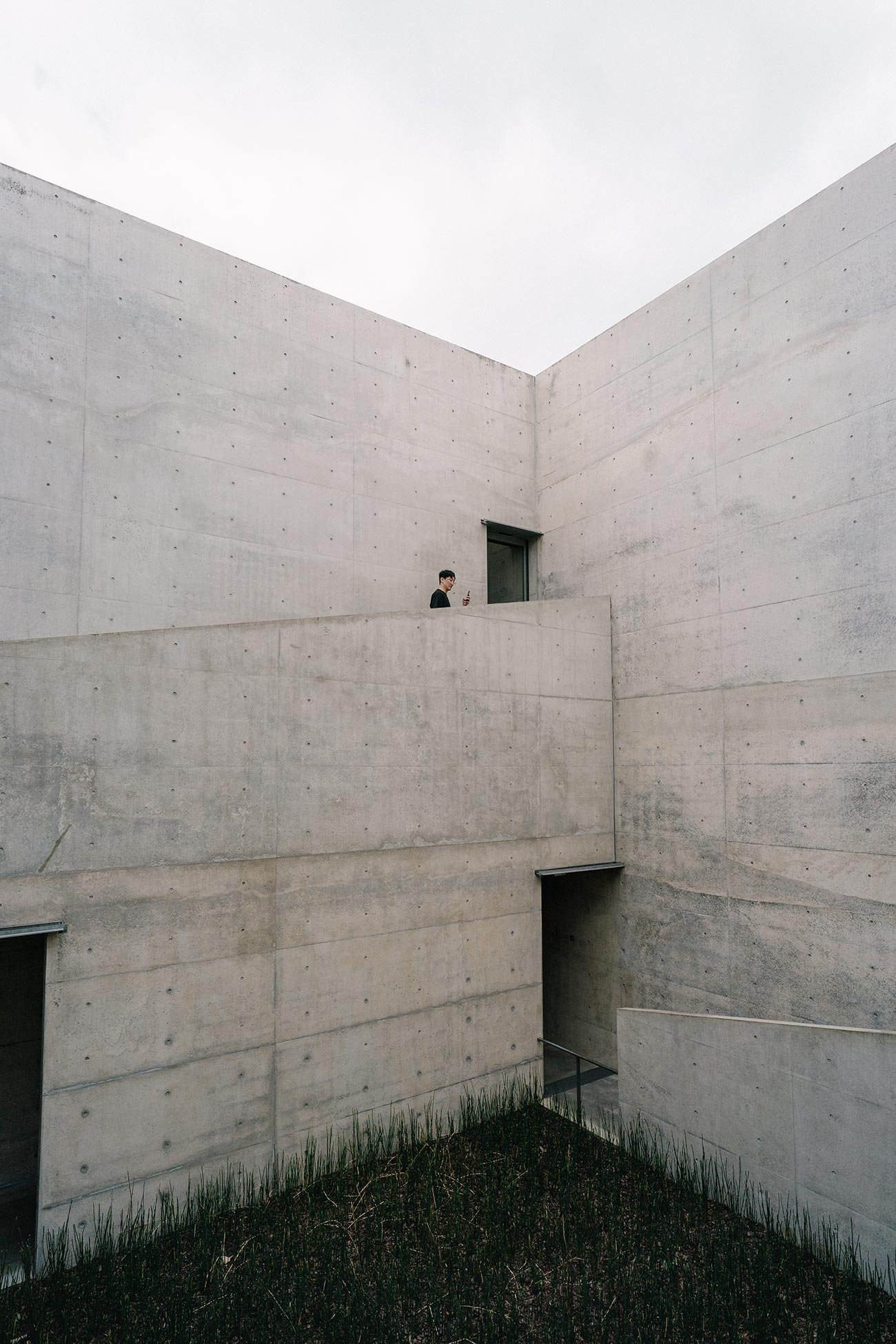
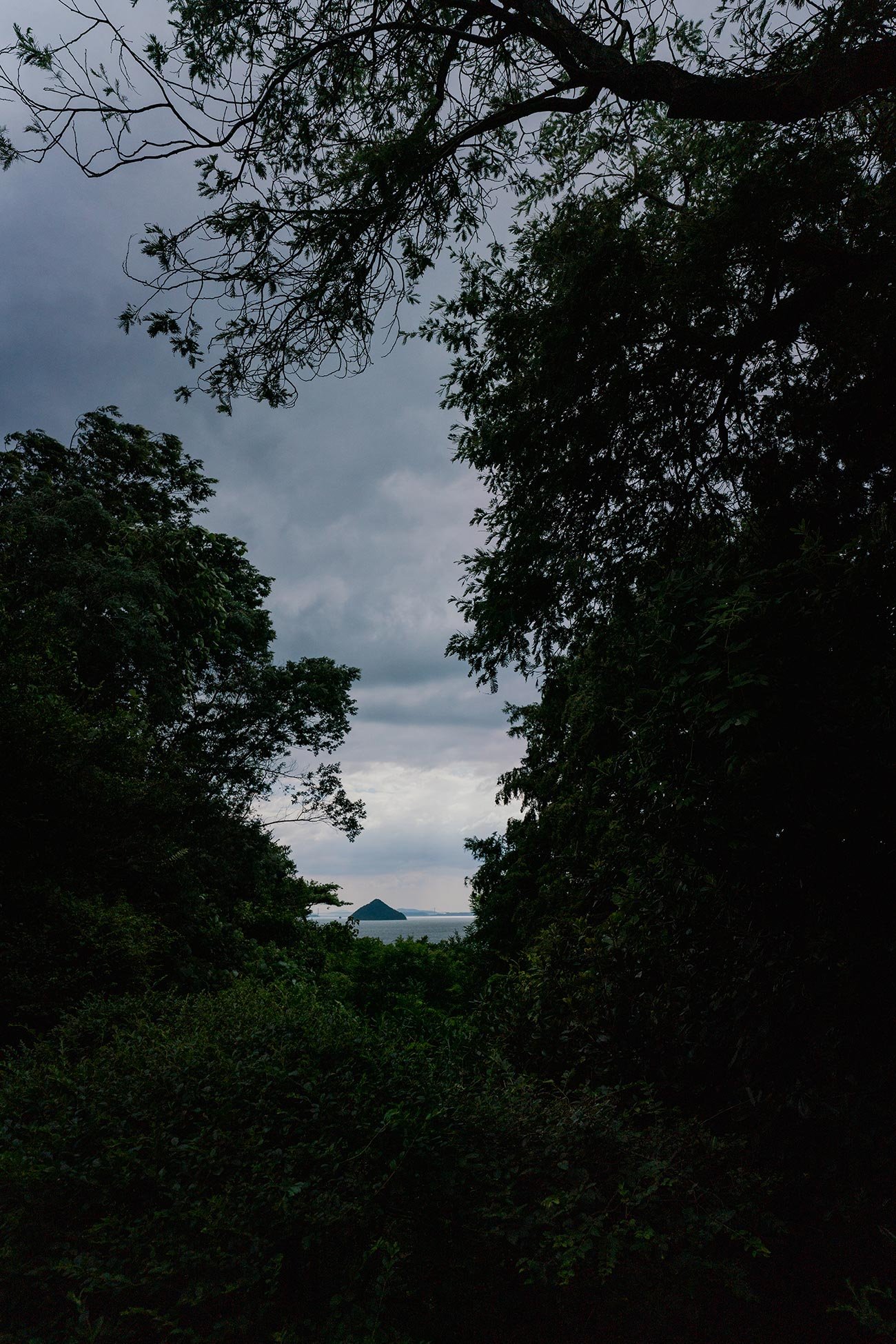
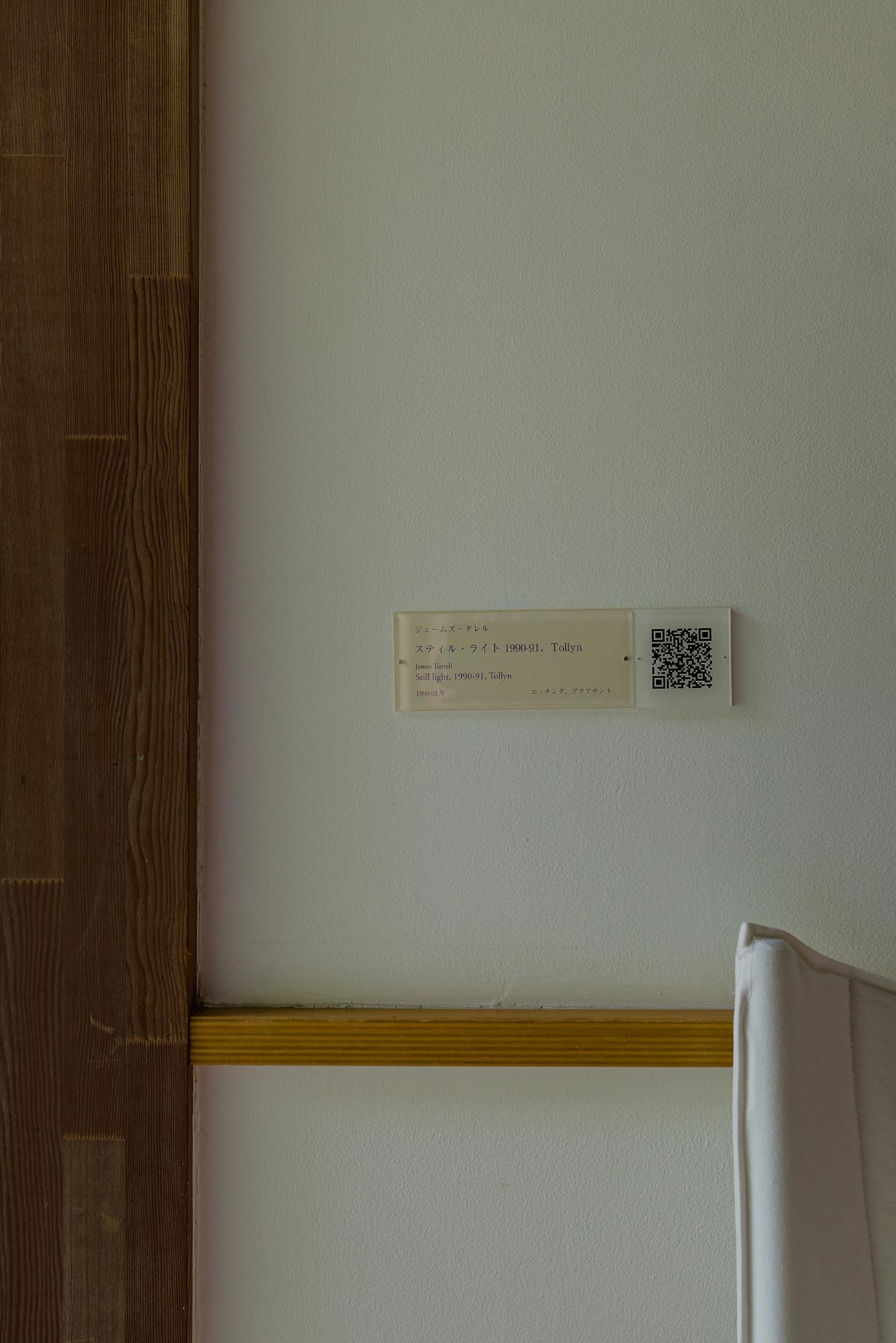
Chichu Art Museum was our first stop on the island, built into a mountaintop by Tadao Ando, mostly underground on purpose, so it barely disturbs the landscape from the outside. Inside, it holds work from just three artists: Claude Monet, Walter De Maria, and James Turrell. The building itself is doing as much as the art is, concrete and light and almost nothing else, built specifically around how each of those artists' work needed to be seen.
You have to book a timed entry in advance, they only let a certain number of people in at once, which keeps it from ever feeling crowded or rushed. Photography isn't allowed through most of the museum, which genuinely disappointed me, but I'd still tell anyone to go. Some of it you just have to see in person, camera or not.
Lee Ufan Museum
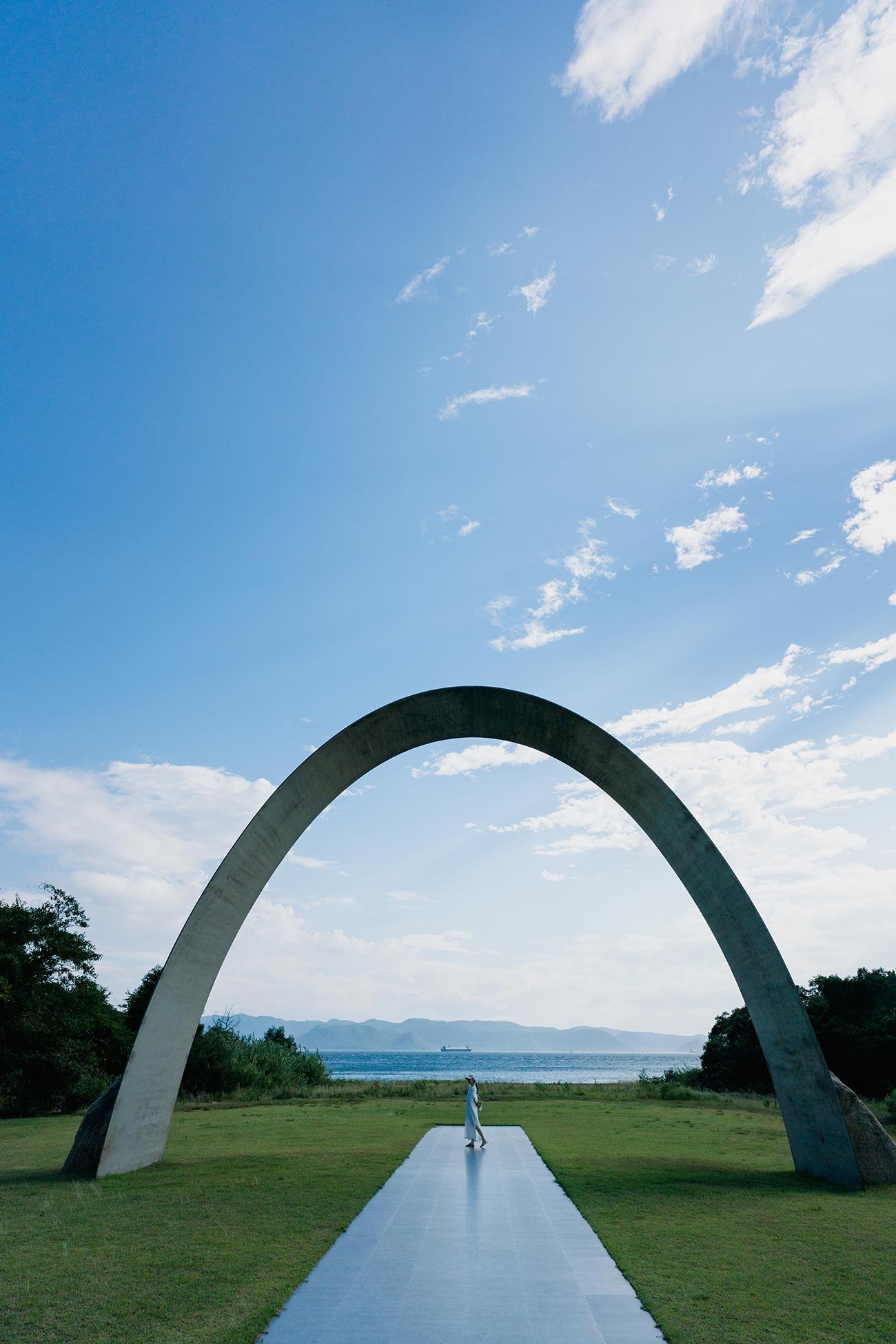
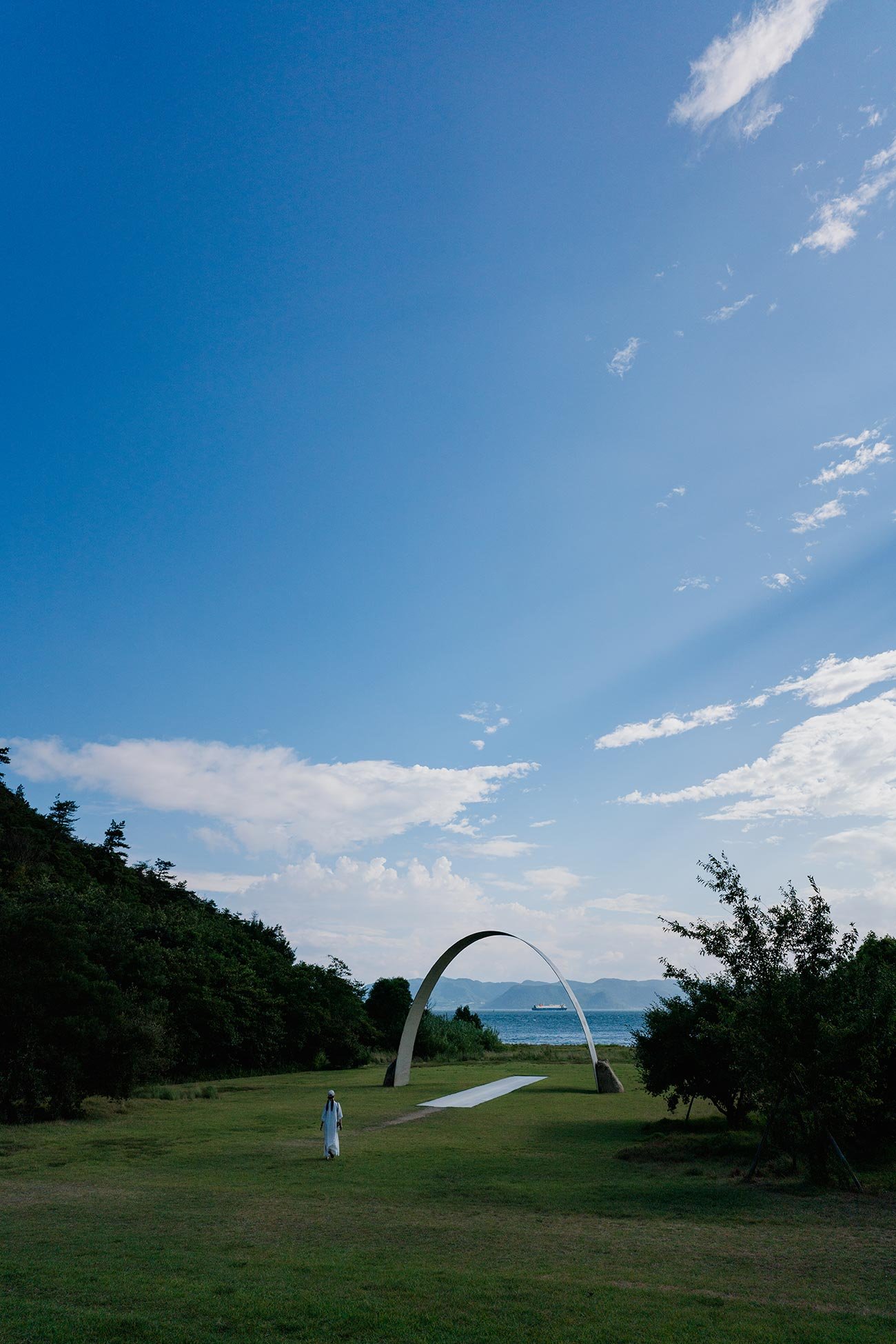
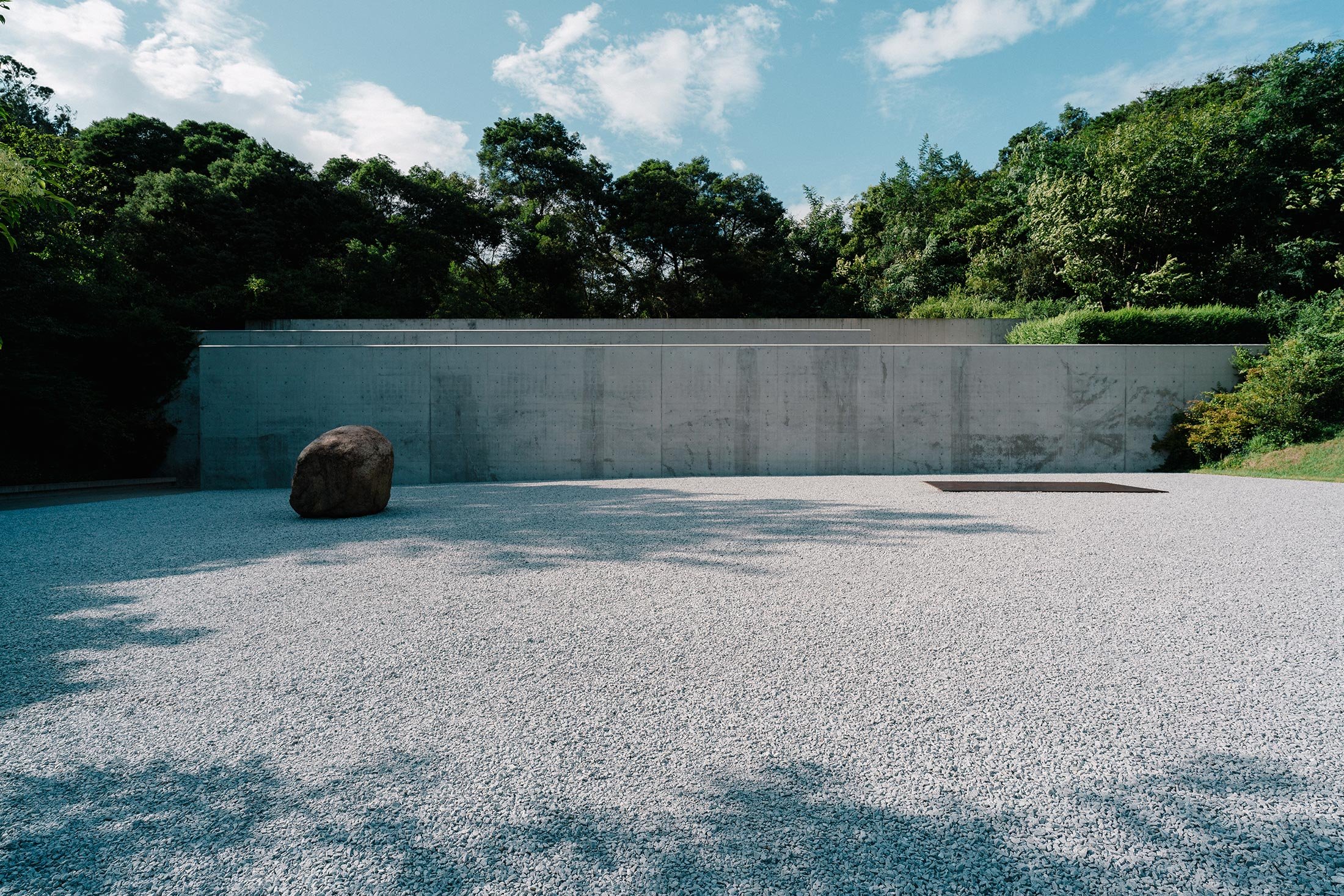
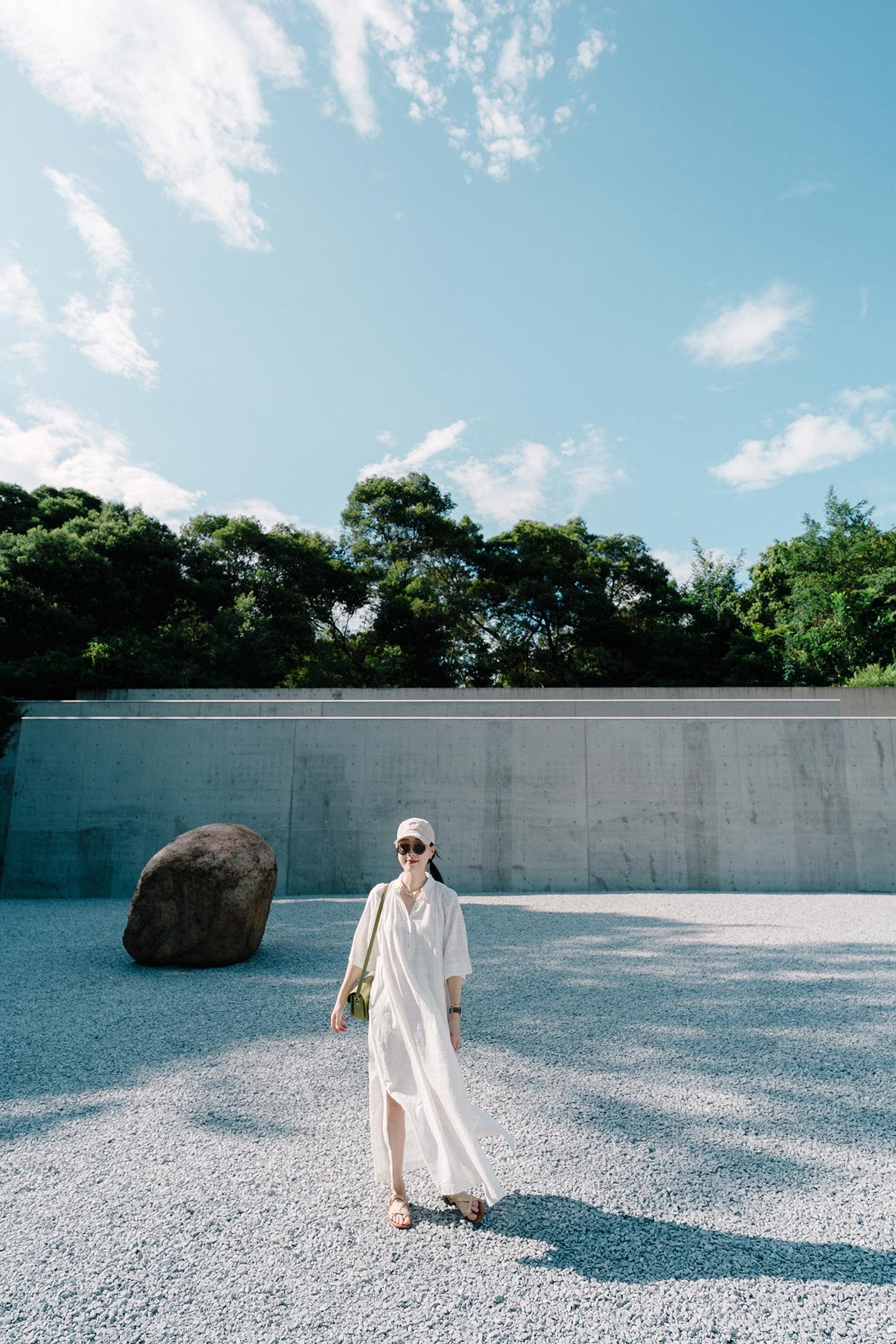
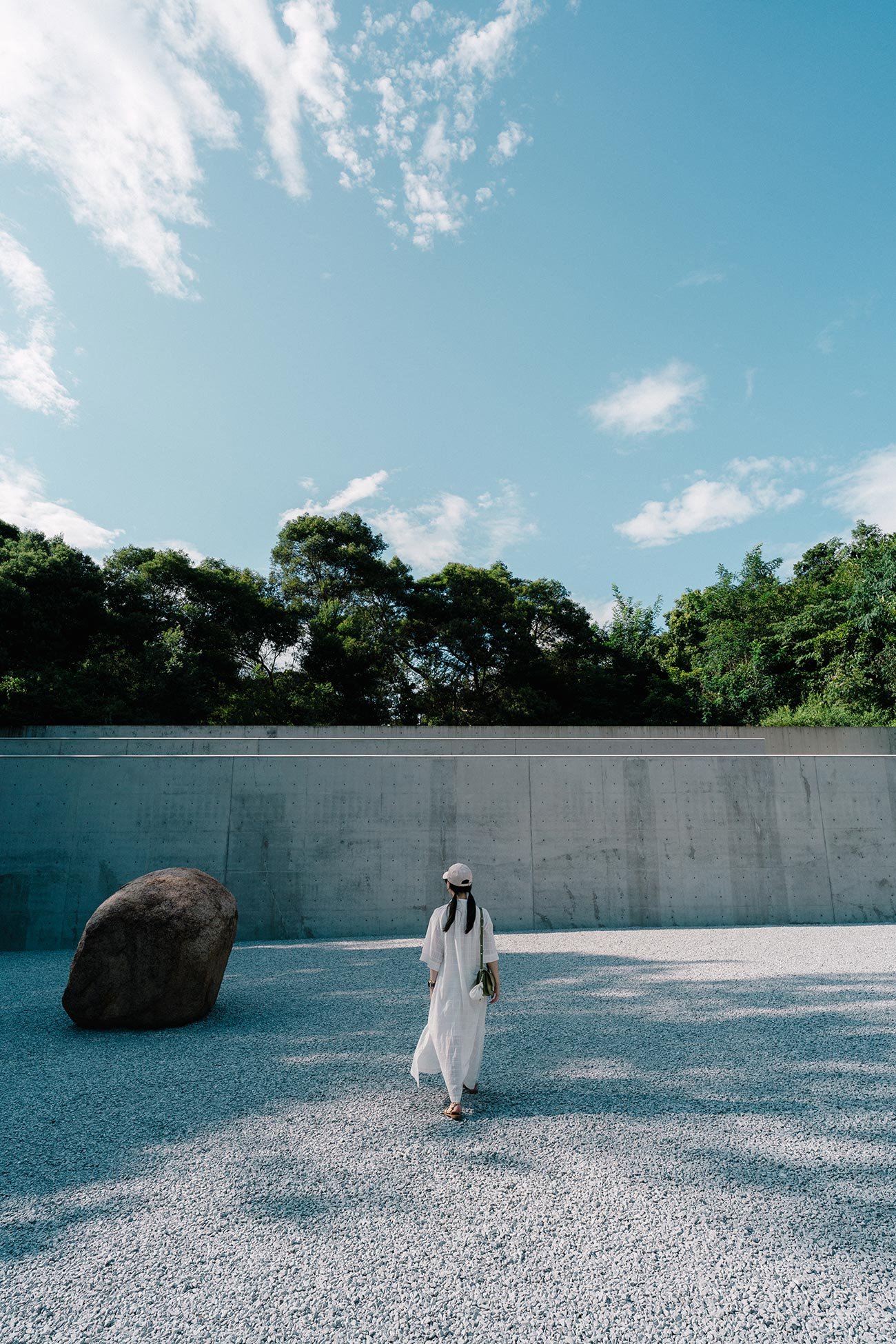
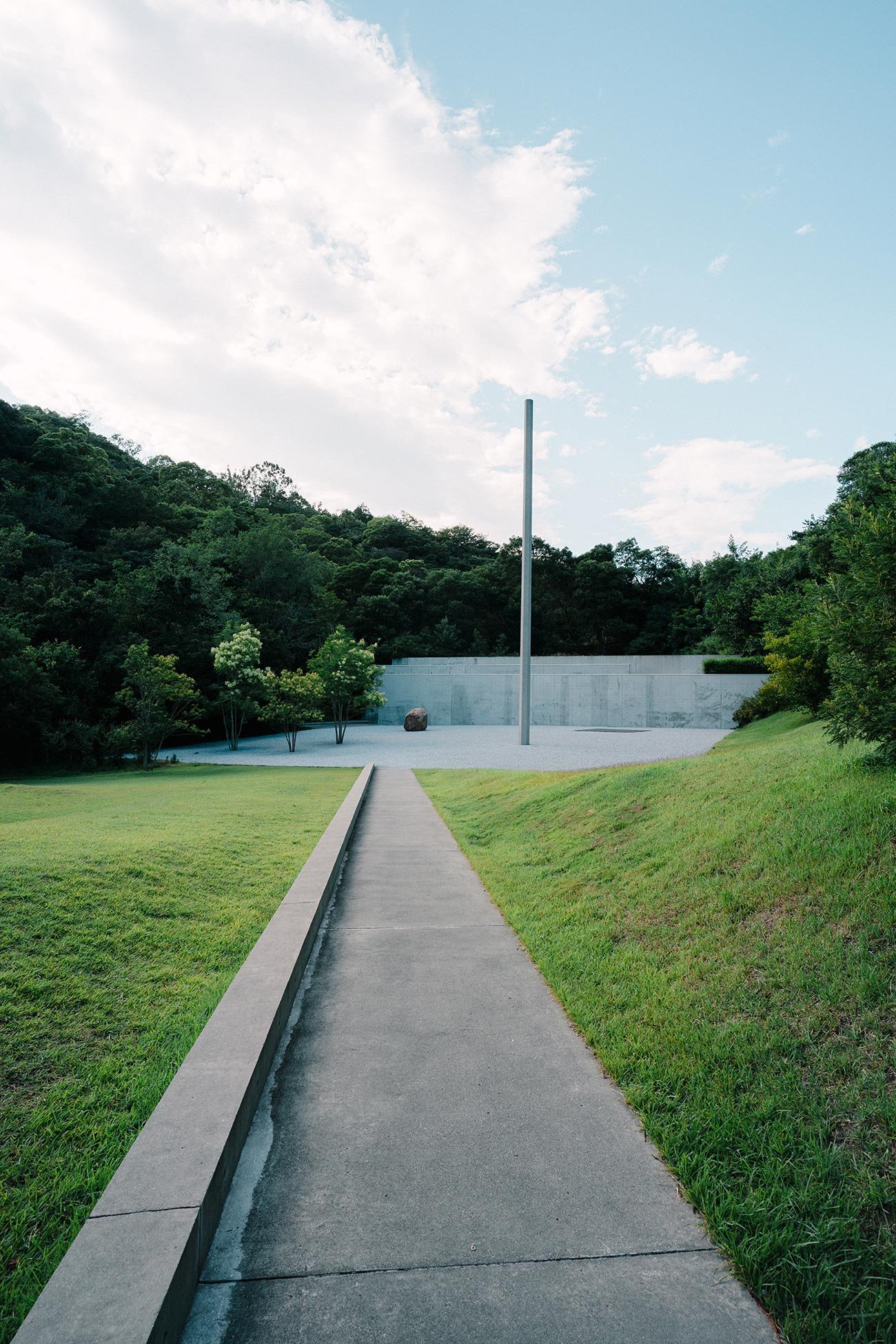
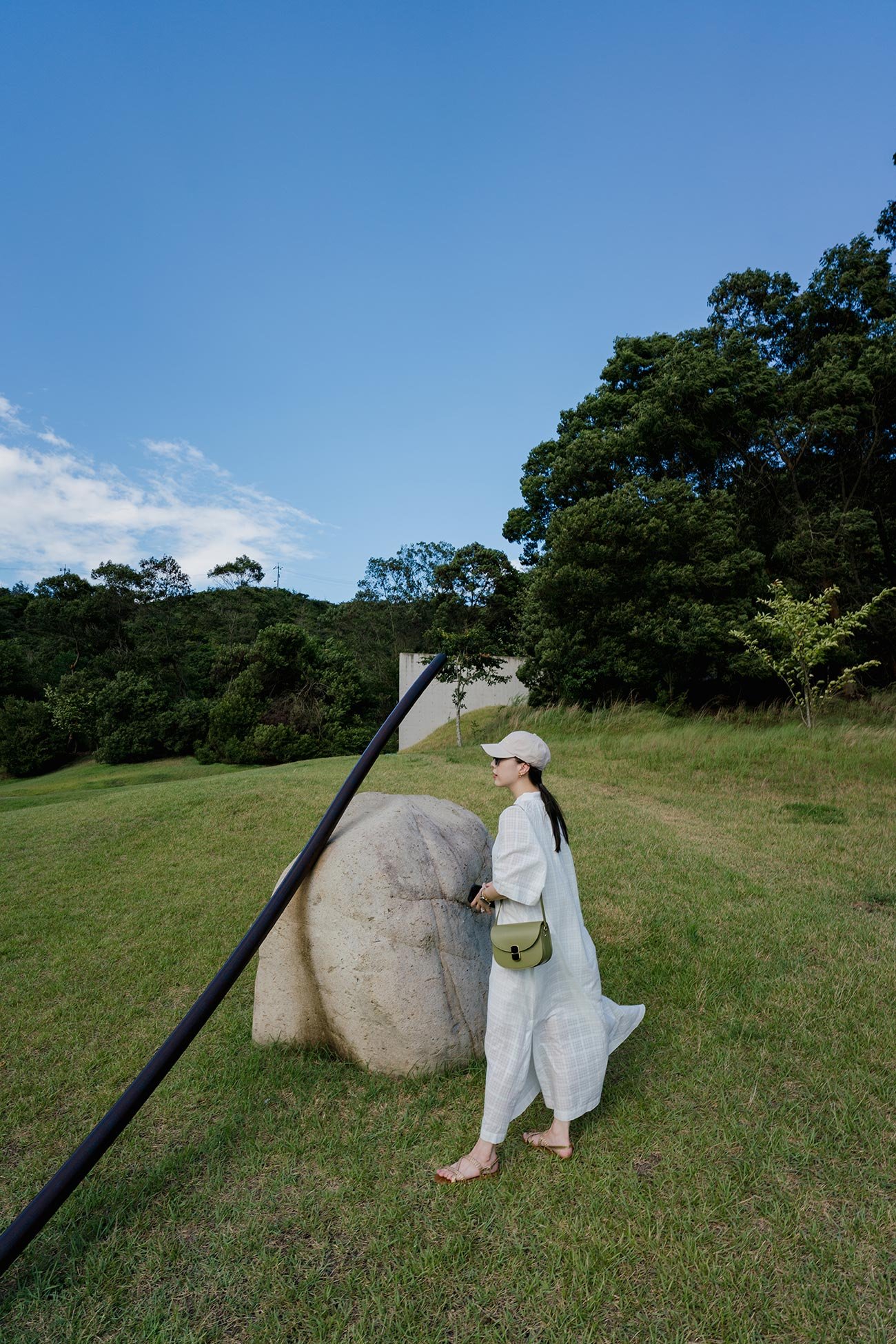
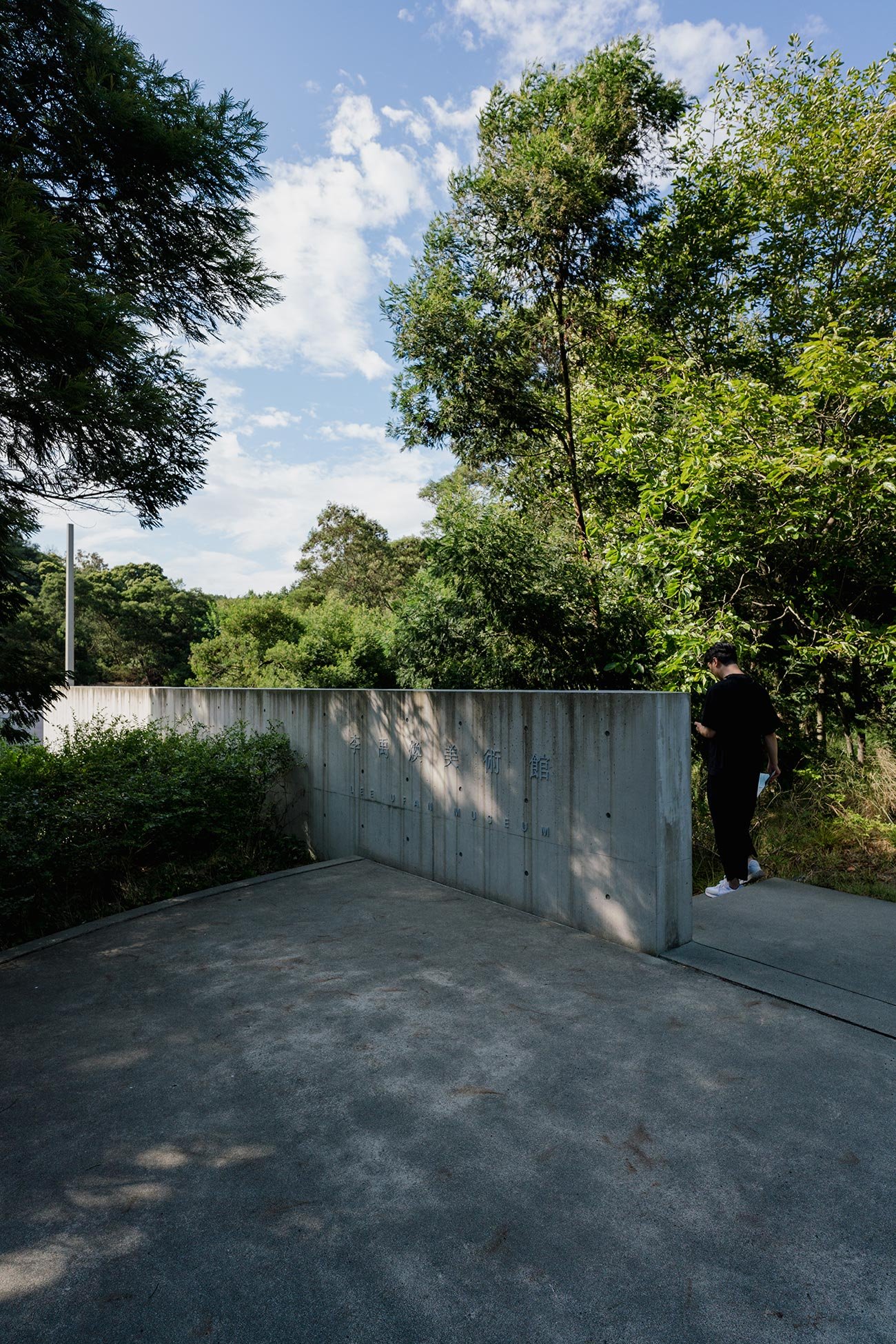
The Lee Ufan Museum is one of the stops on the free shuttle route, dedicated entirely to Lee Ufan, the Korean artist who became a central figure in Mono-ha, the movement that came out of Japan in the late '60s. The museum sits in a valley, hills on one side, sea on the other, quiet enough that it changes your pace just walking in.
Inside are large installations in stone, concrete, and heavy iron slabs, along with earlier paintings from Lee Ufan's career. Tadao Ando designed the building around geometric concrete forms that open onto the landscape rather than closing it off, so the art and the setting end up doing the same work.
Valley Gallery
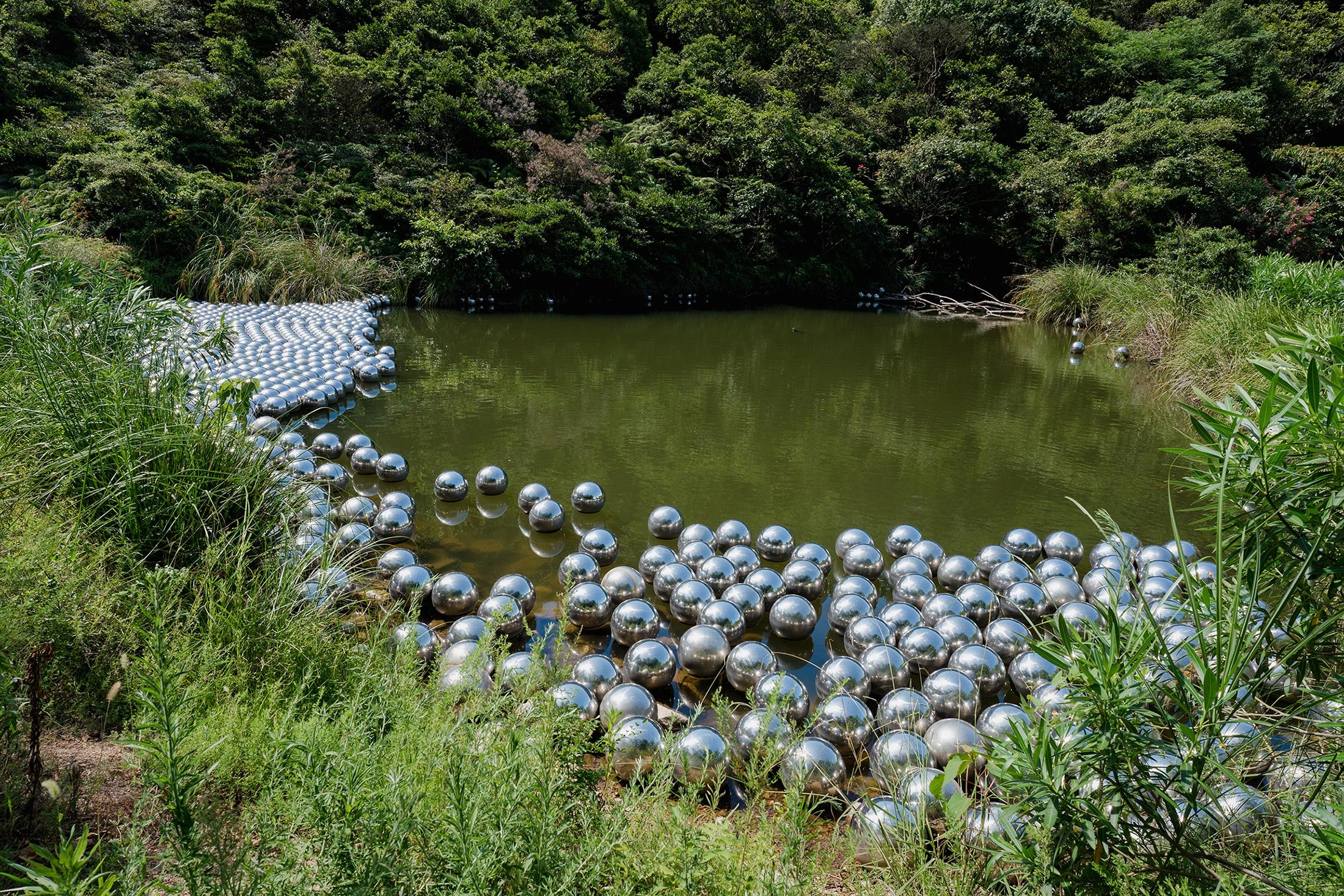
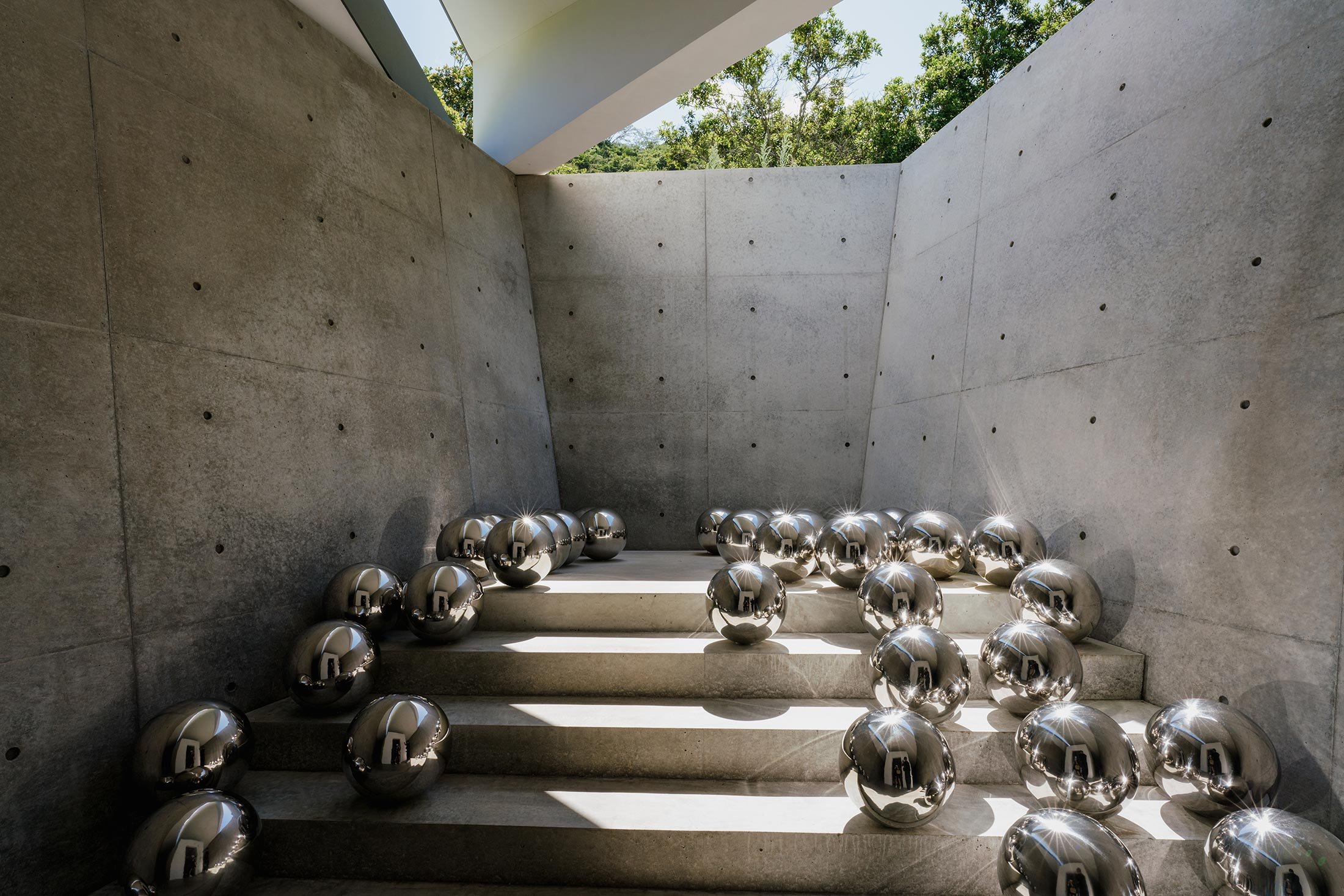
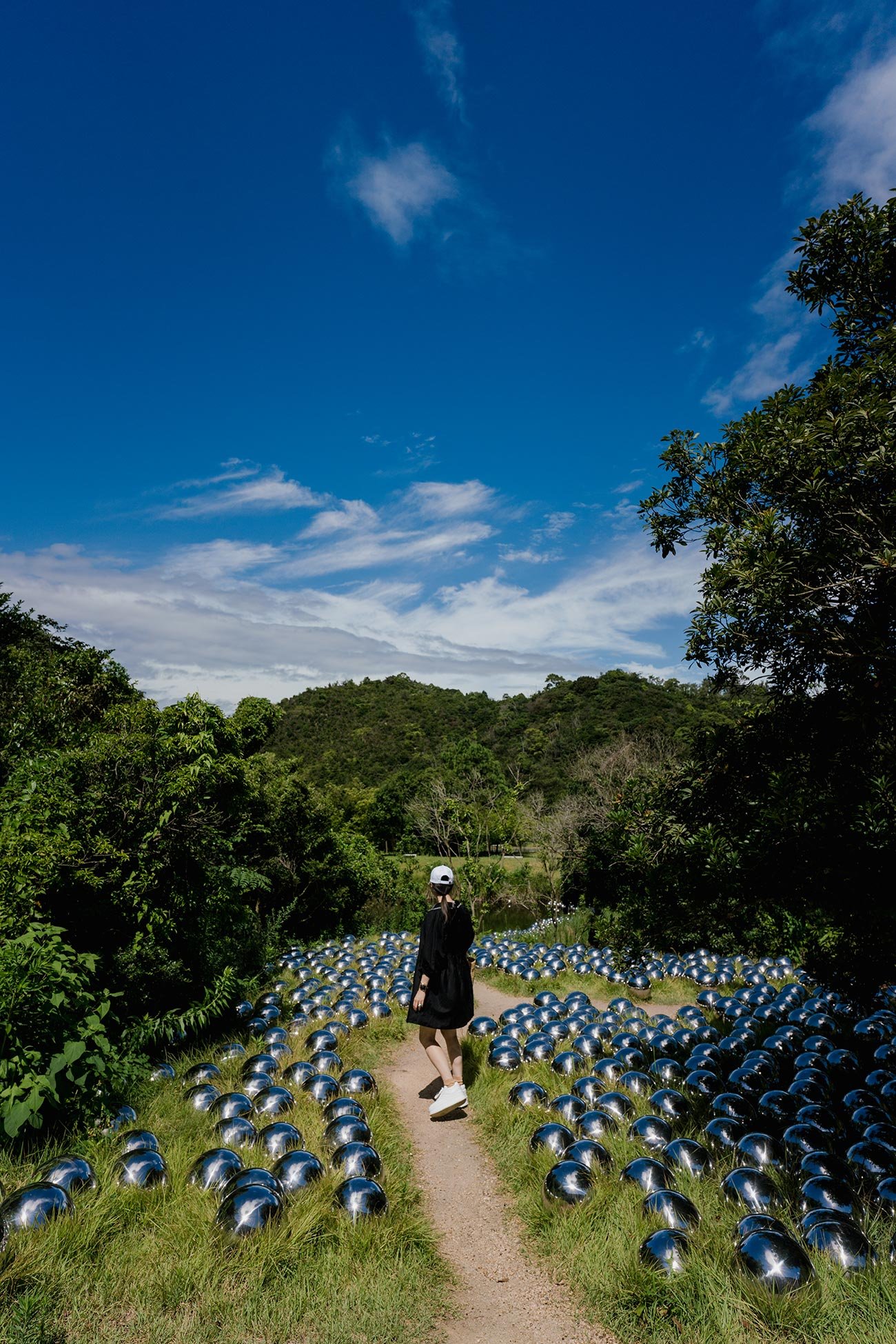
Valley Gallery sits directly across from the Lee Ufan Museum, and it marks something specific: thirty years since Ando's first project on the island, the Benesse House Museum. It's still recognizably his, concrete, angular walls, a slit roof that lets natural light cut through the space.
Kusama's 'Narcissus Garden' has lived at Benesse House since 2006, and it's recently expanded to fill both the interior and the grounds outside Valley Gallery. The walk uphill to get there is built to take longer than it needs to, on purpose, which gives you time to actually notice where you are. In spring, when the azaleas and cherry trees are out, that walk is doing even more work.
Ando put it this way: "As a means of creating such an architectural space as a microcosm, I came up with the scheme of a space as simple and pure as a white canvas [with] natural light entering into it. A void in which everything superfluous has been erased, colored by light that shifts with time and the seasons."
Honmura District
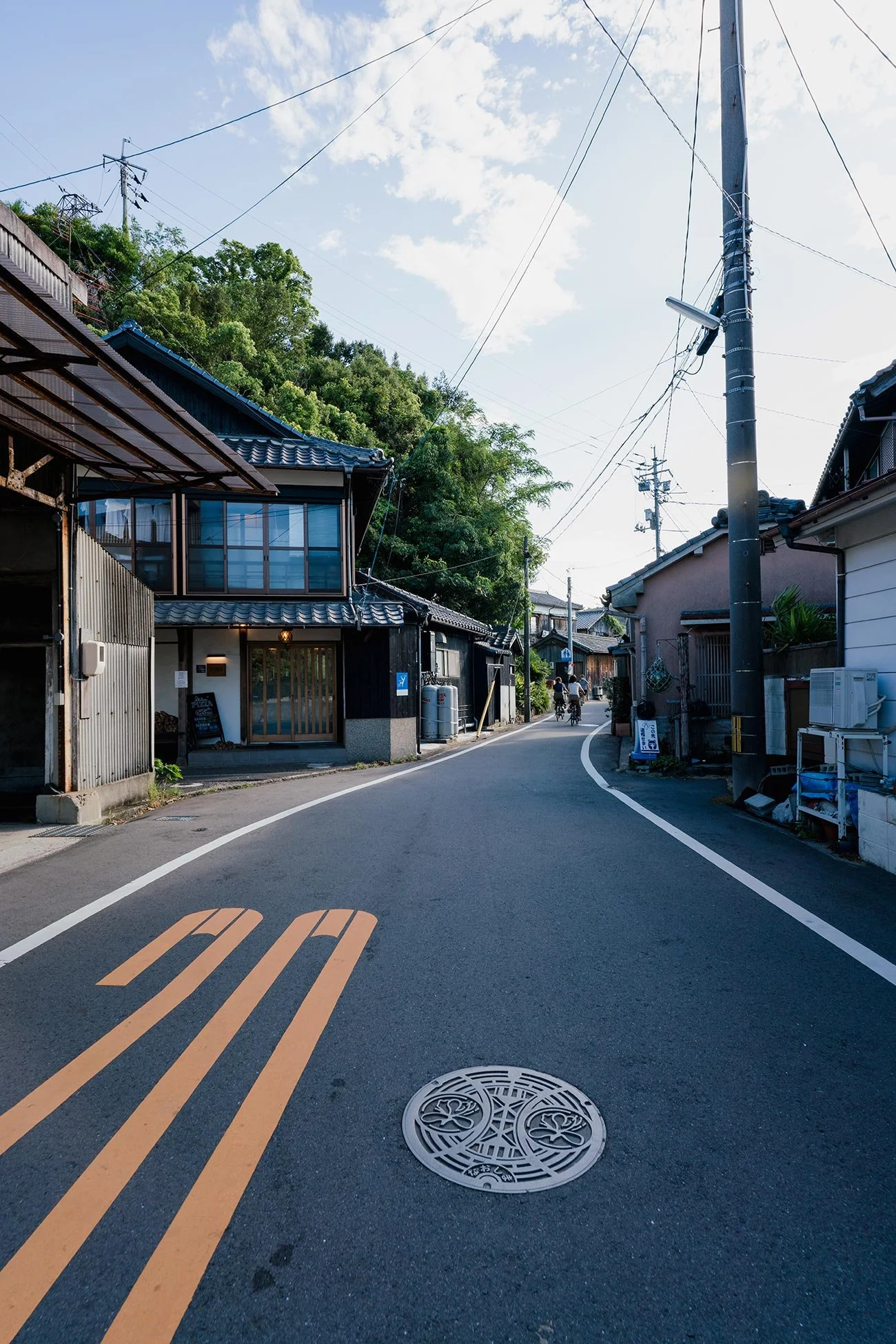
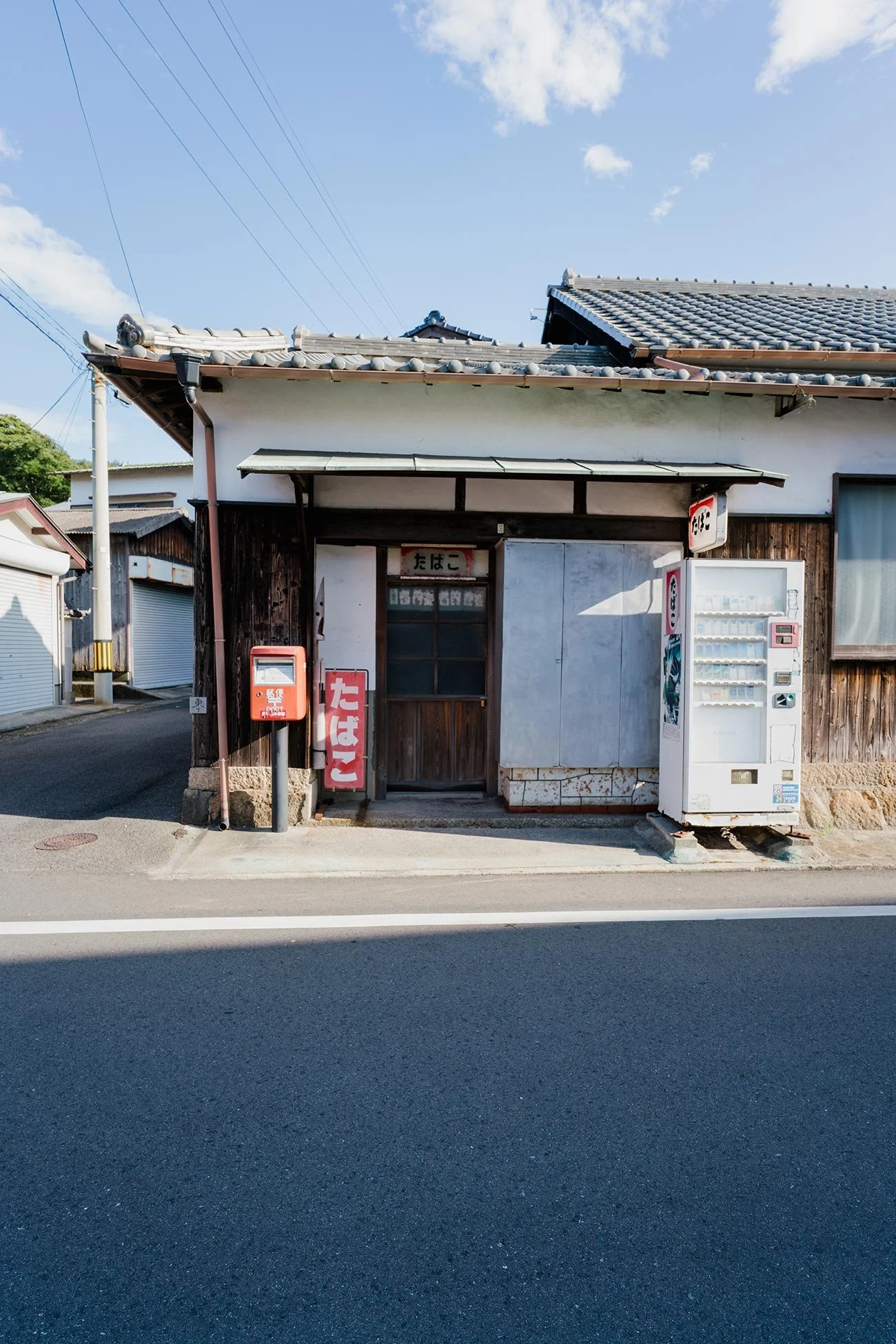
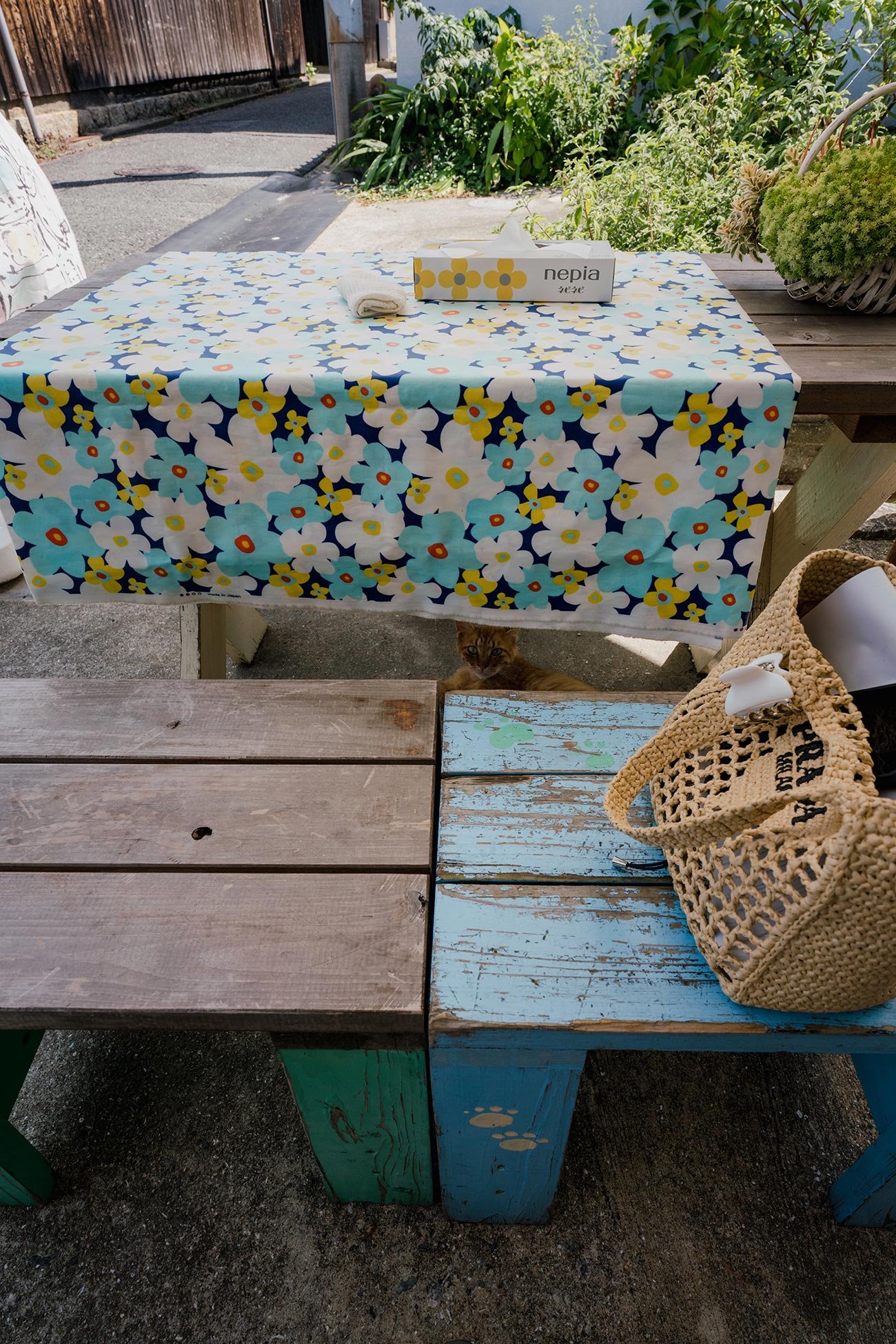
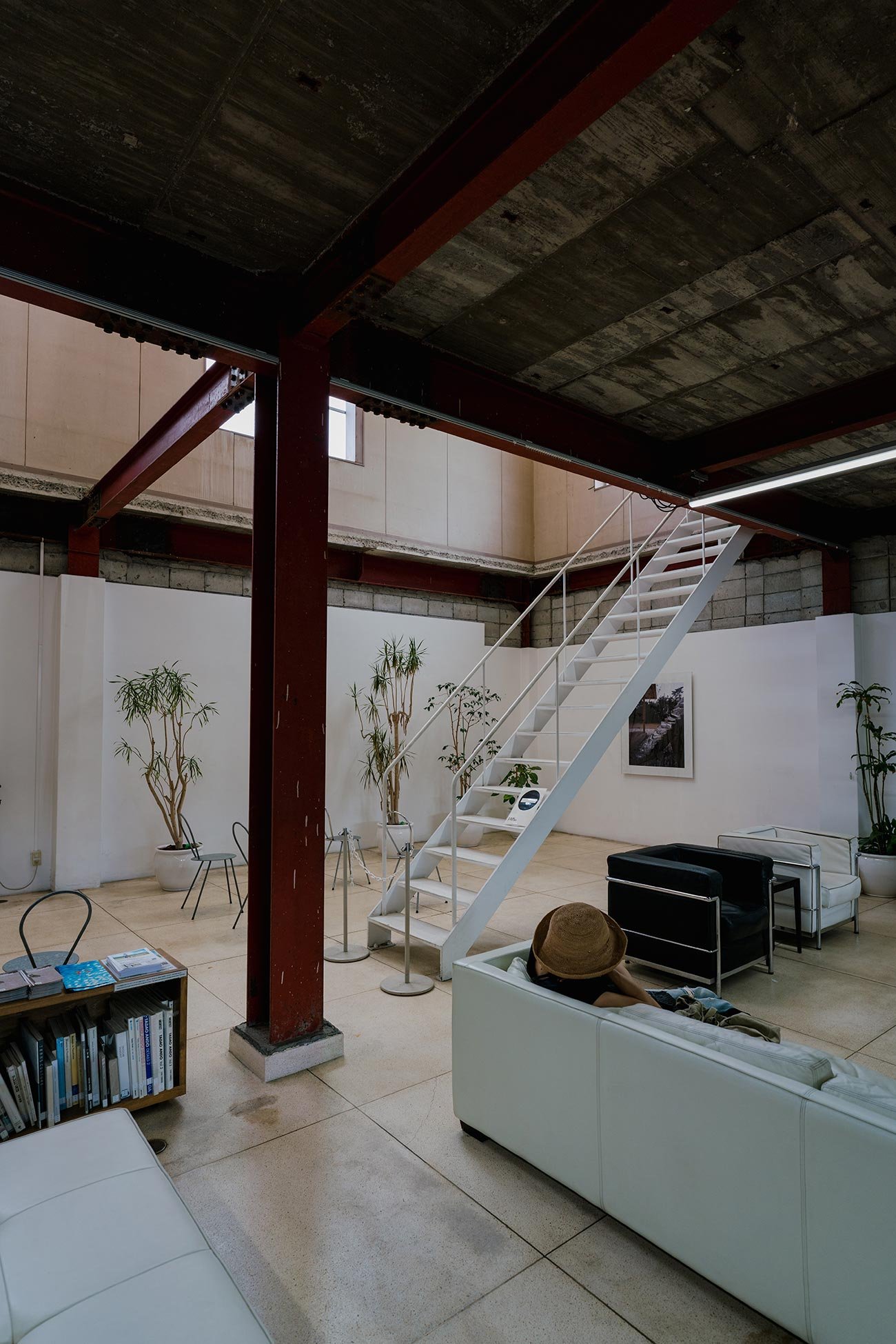
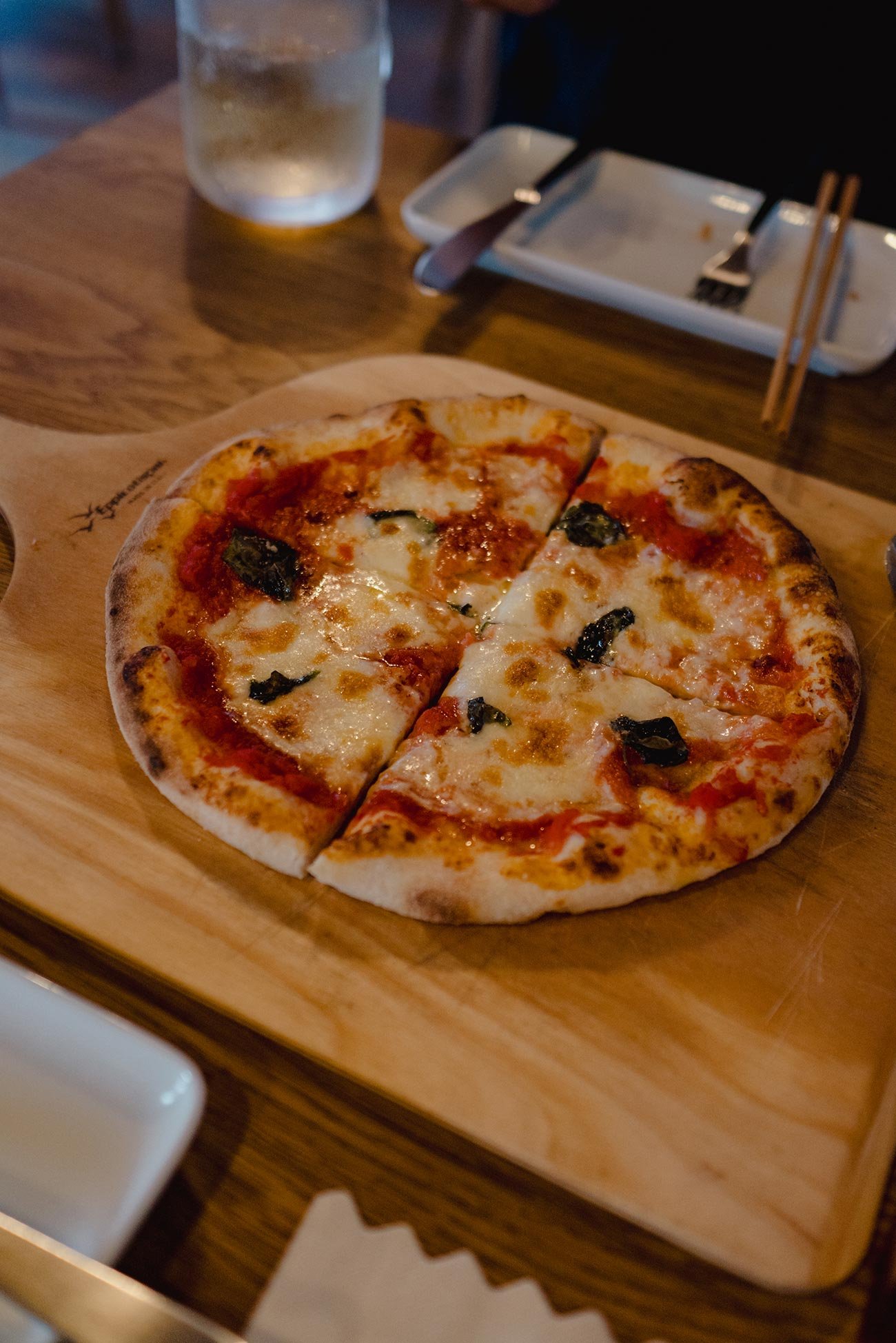
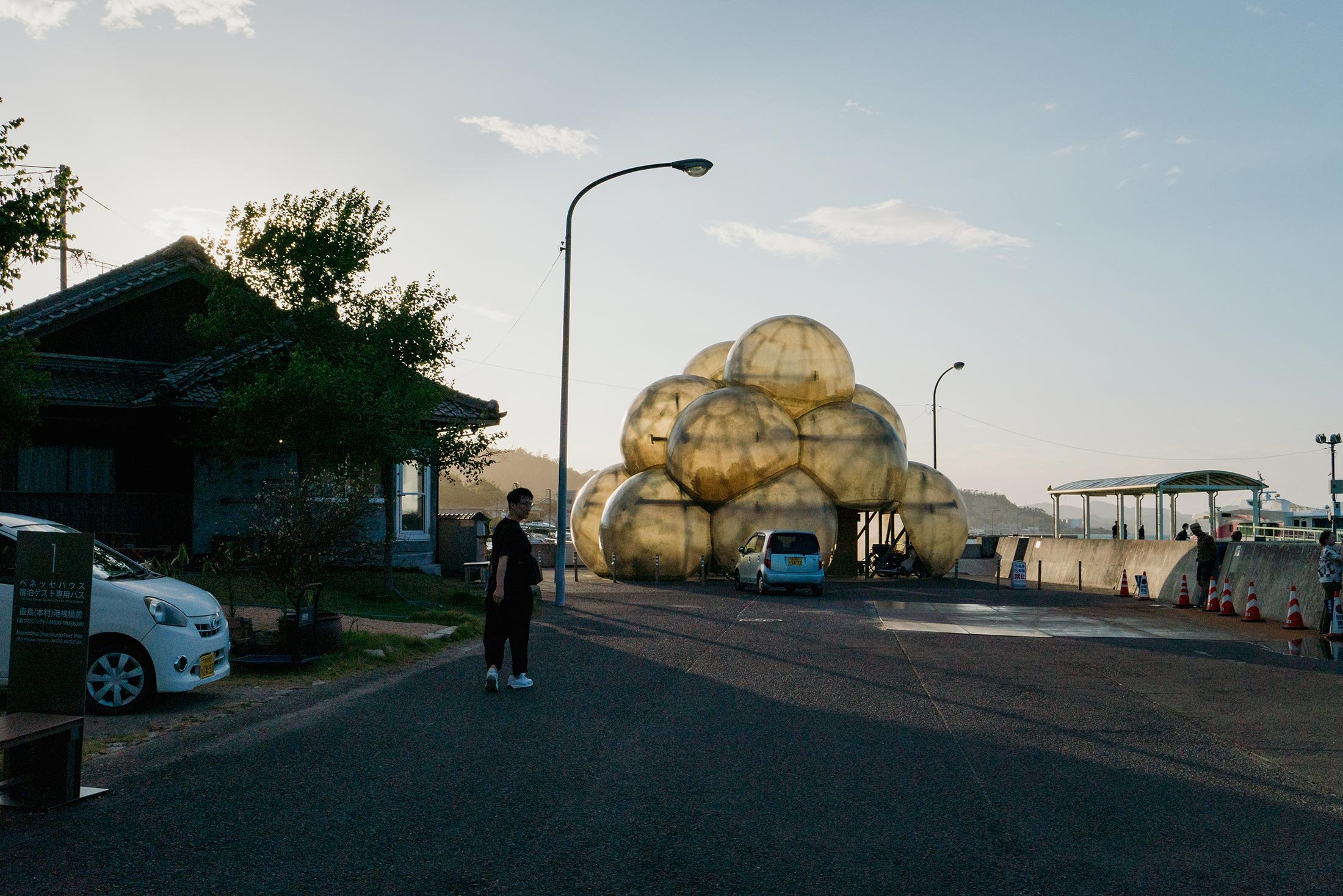
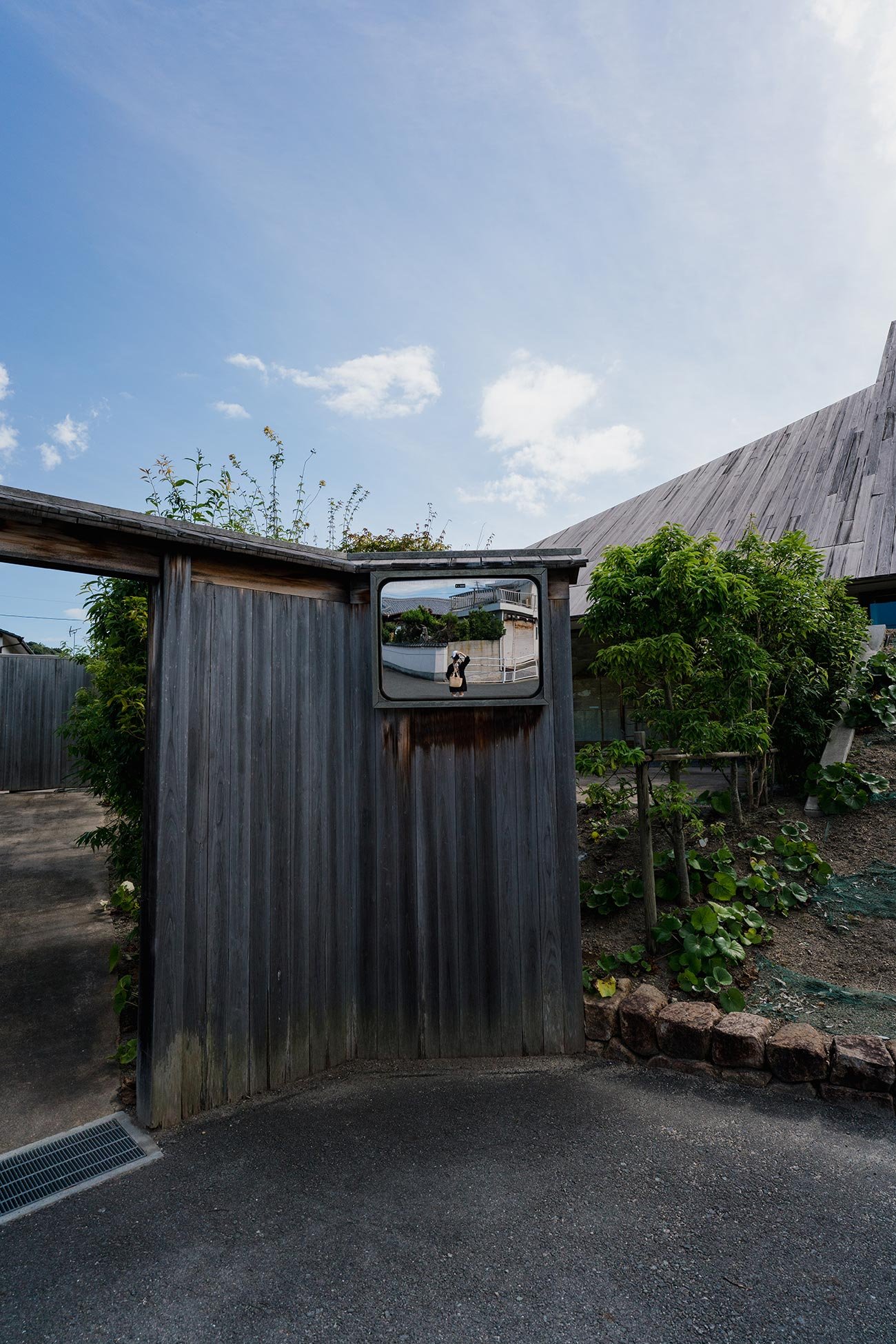
We spent a few hours in Honmura, the village that's become part of the whole Benesse Art Site Naoshima project, art tucked into traditional houses and scattered outdoors through the streets. It's also one of the shuttle stops, so it's easy to fold into a day of museum-hopping without much extra planning.
The village itself still looks like what it was before any of this: narrow streets, wooden houses, that kind of quiet that comes from a place not being built for tourists even though it now gets plenty of them. There are cafes, small shops, a handful of local spots to eat. One practical note: plan on lunch in the village, and either dinner at your hotel or somewhere you've booked ahead, several places we walked past were either closed or reservation-only. We got lucky and found Luke's Pizza & Grill right as it opened for the night and grabbed a table before anyone else showed up.
Art House Project
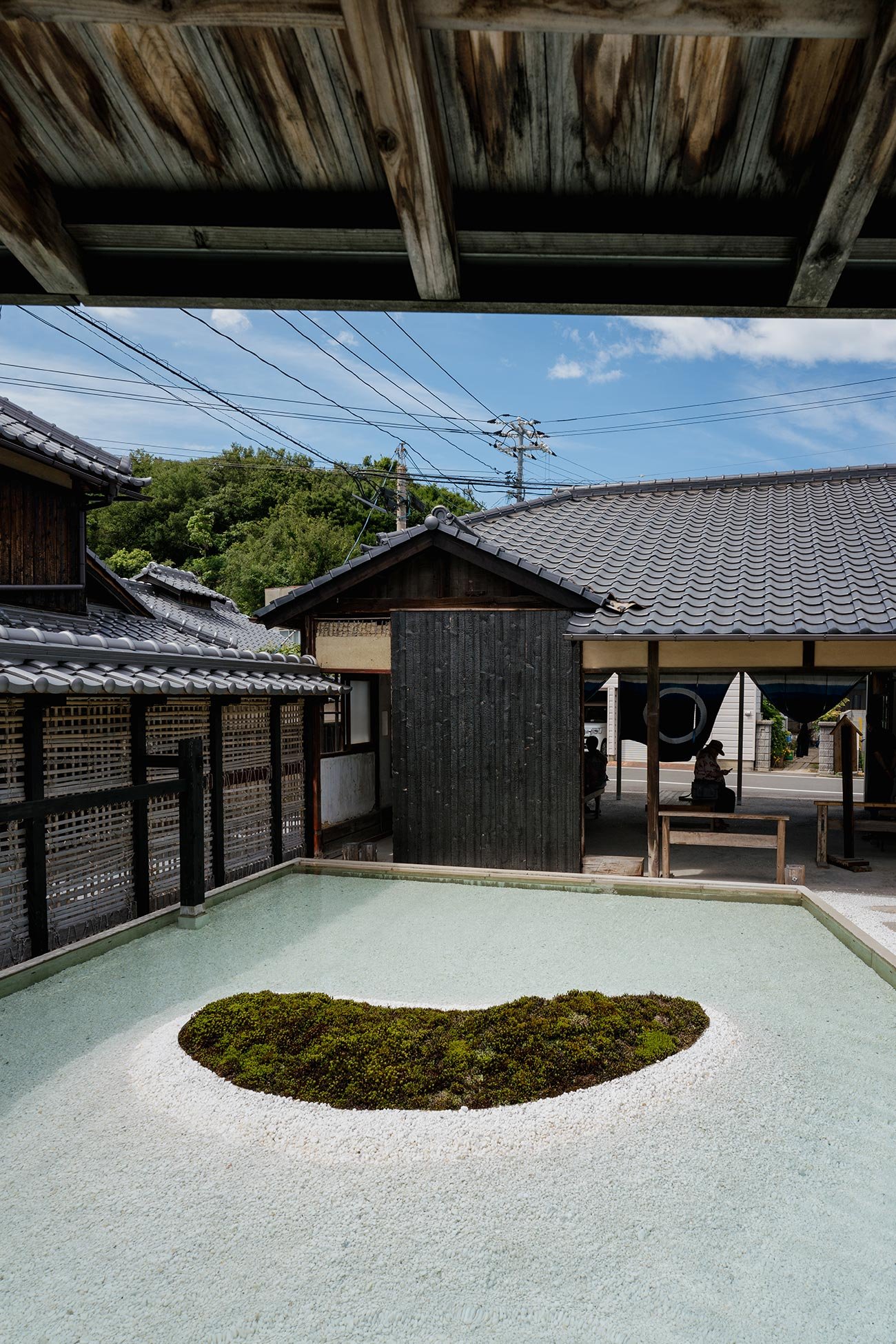
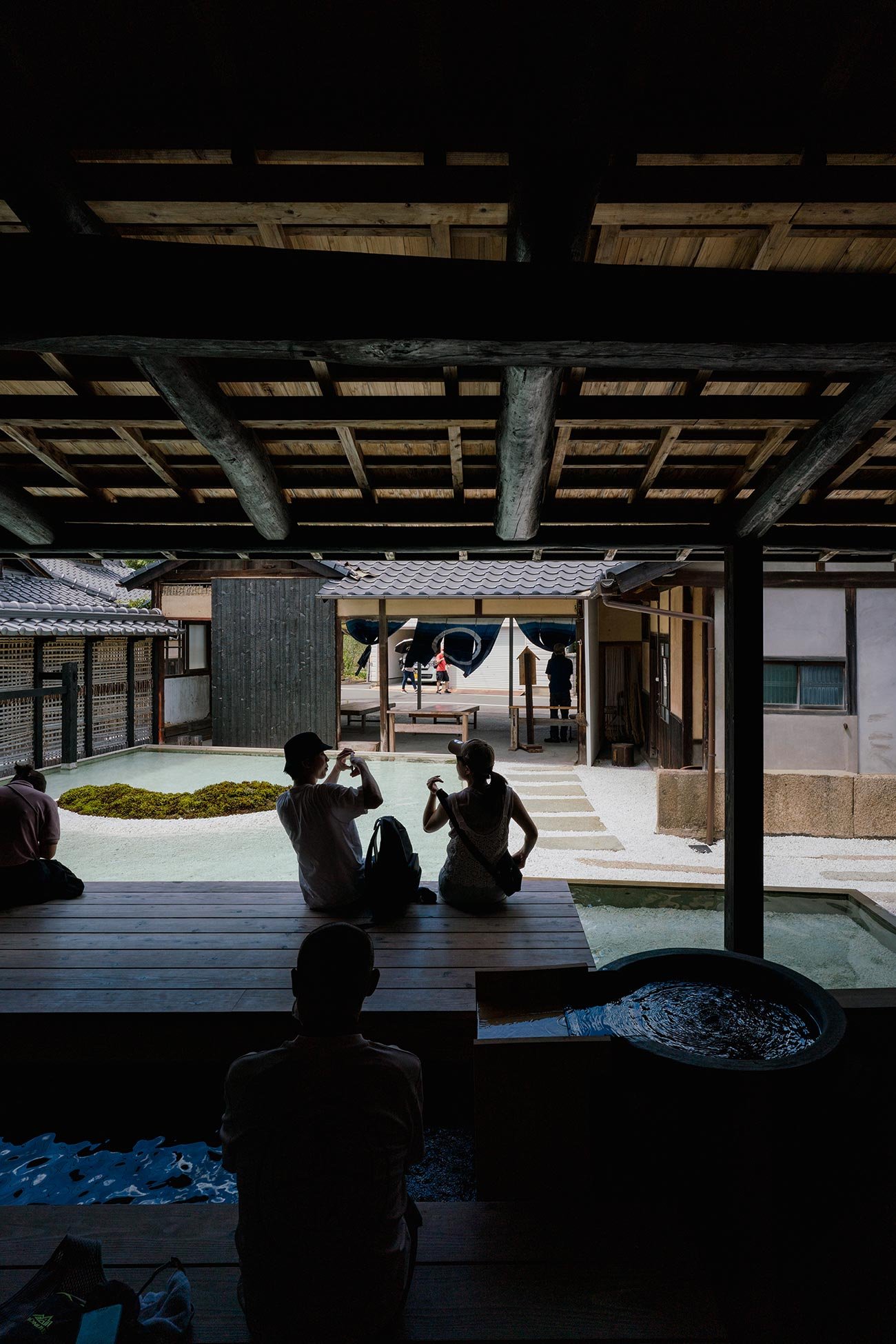
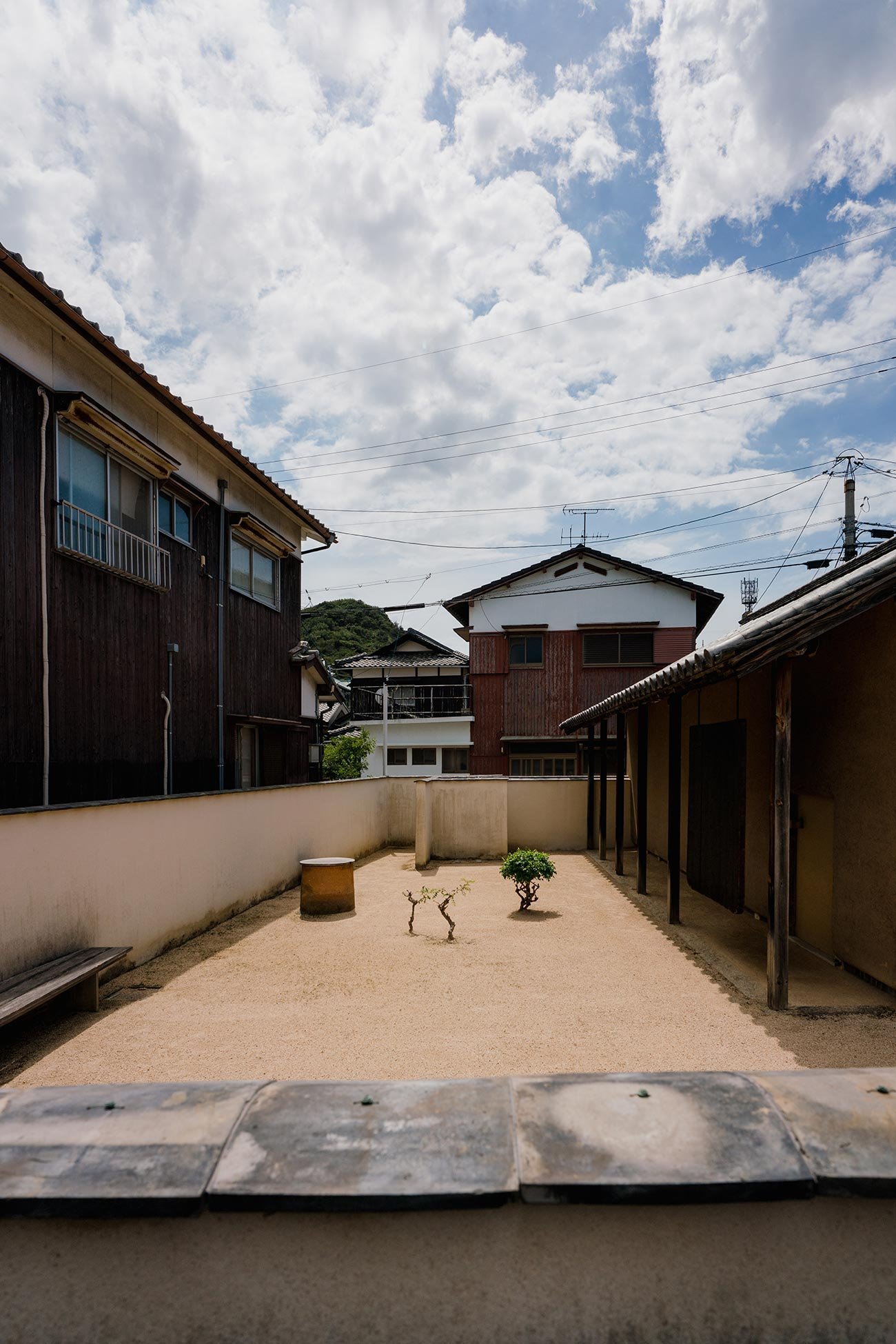
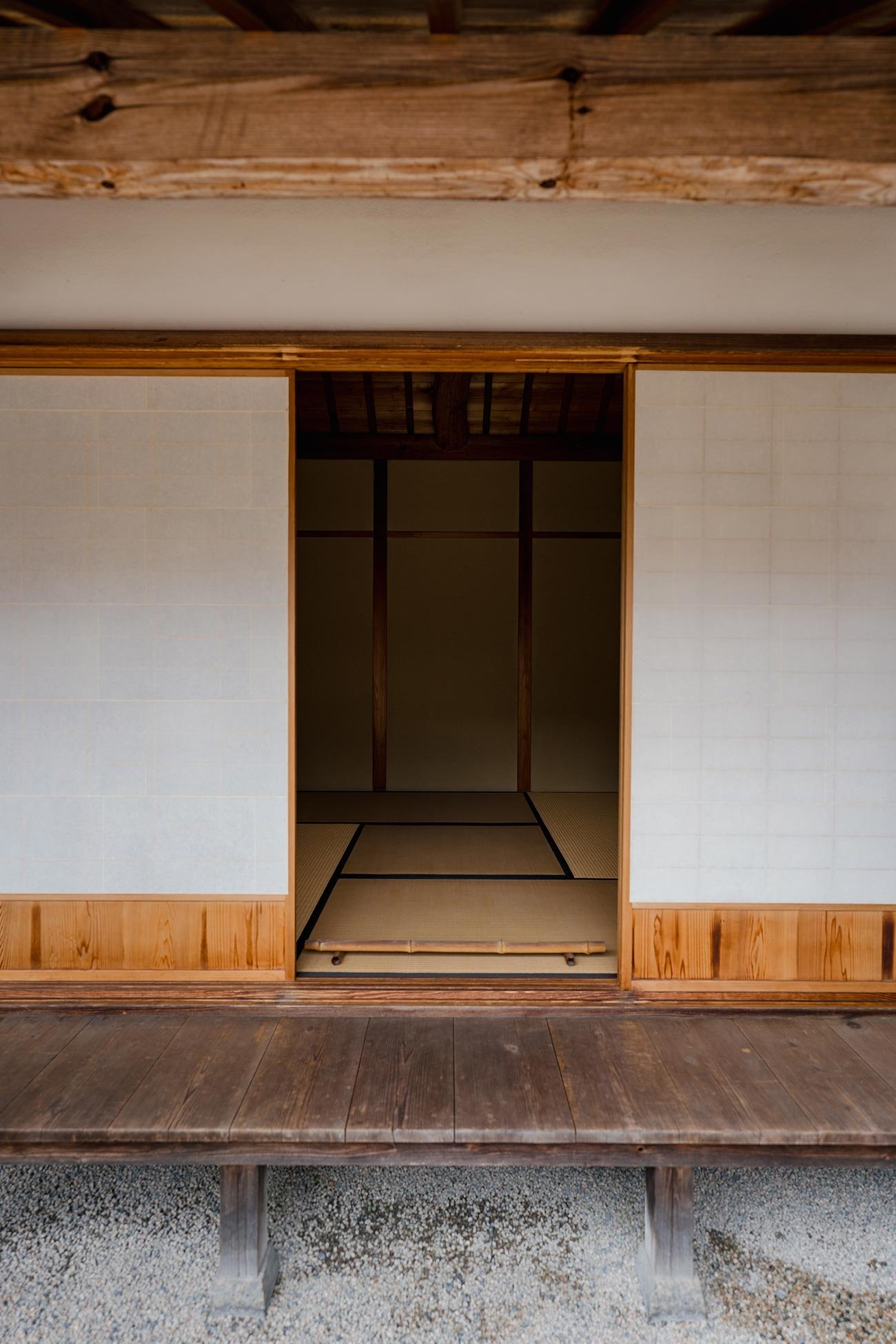

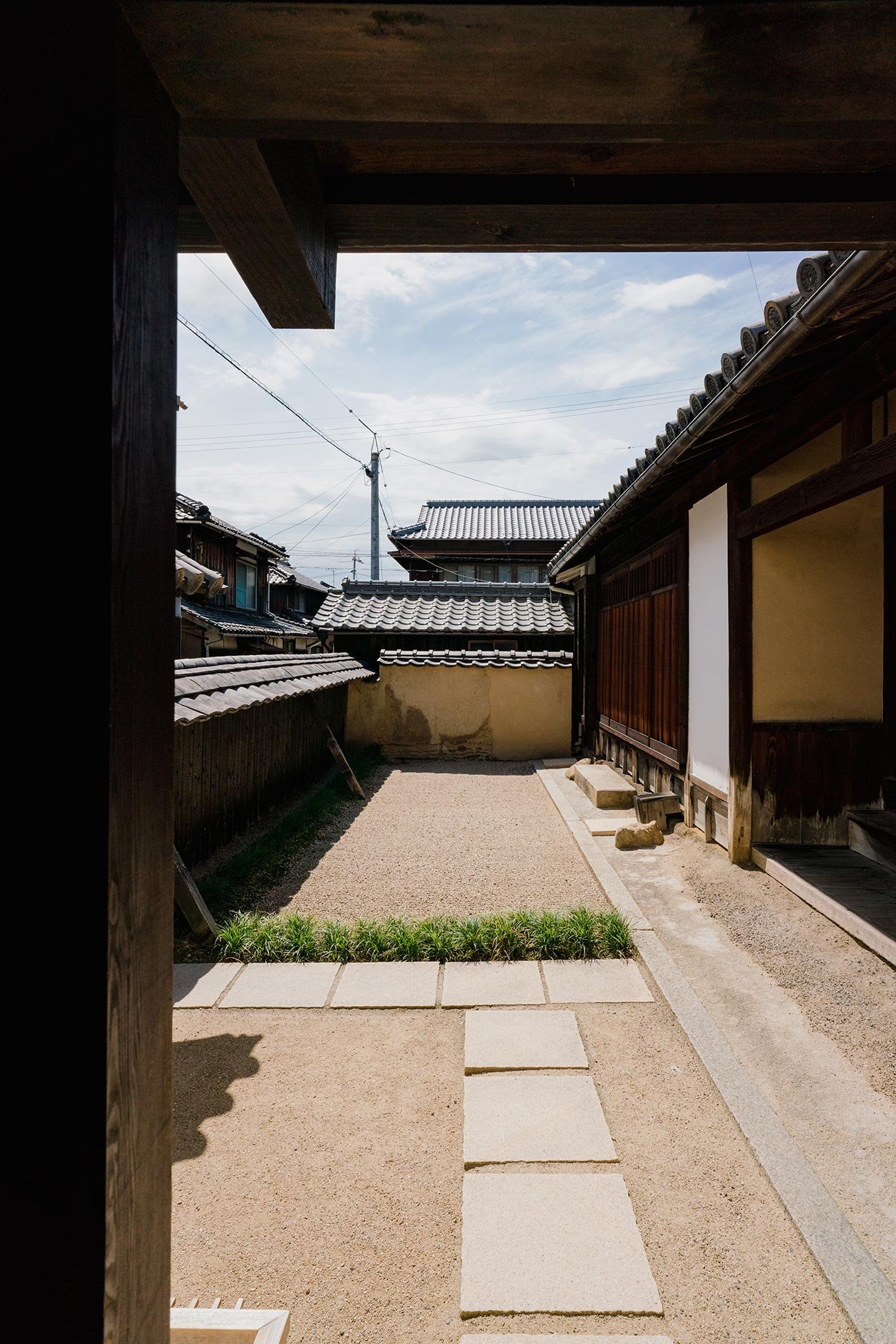
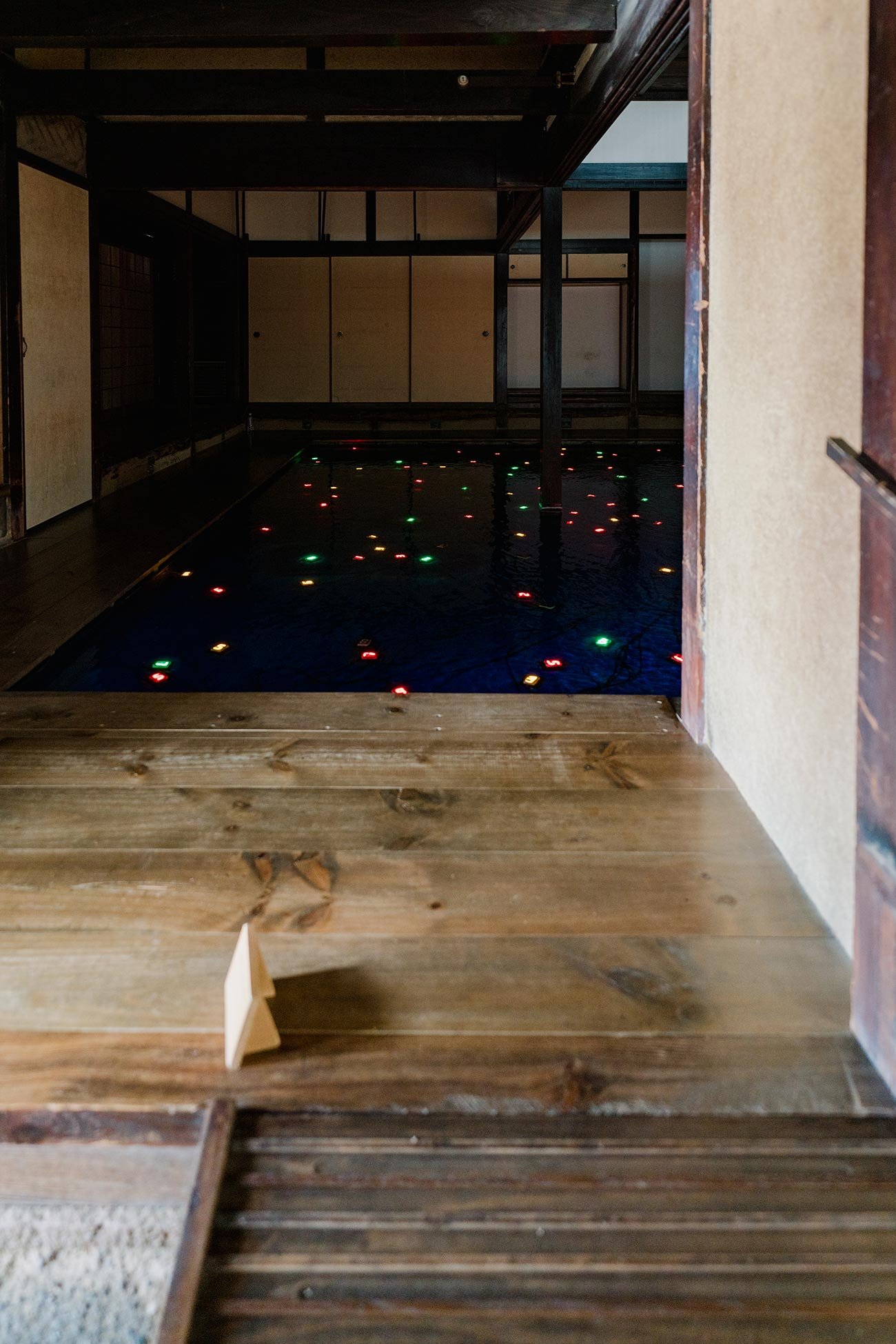
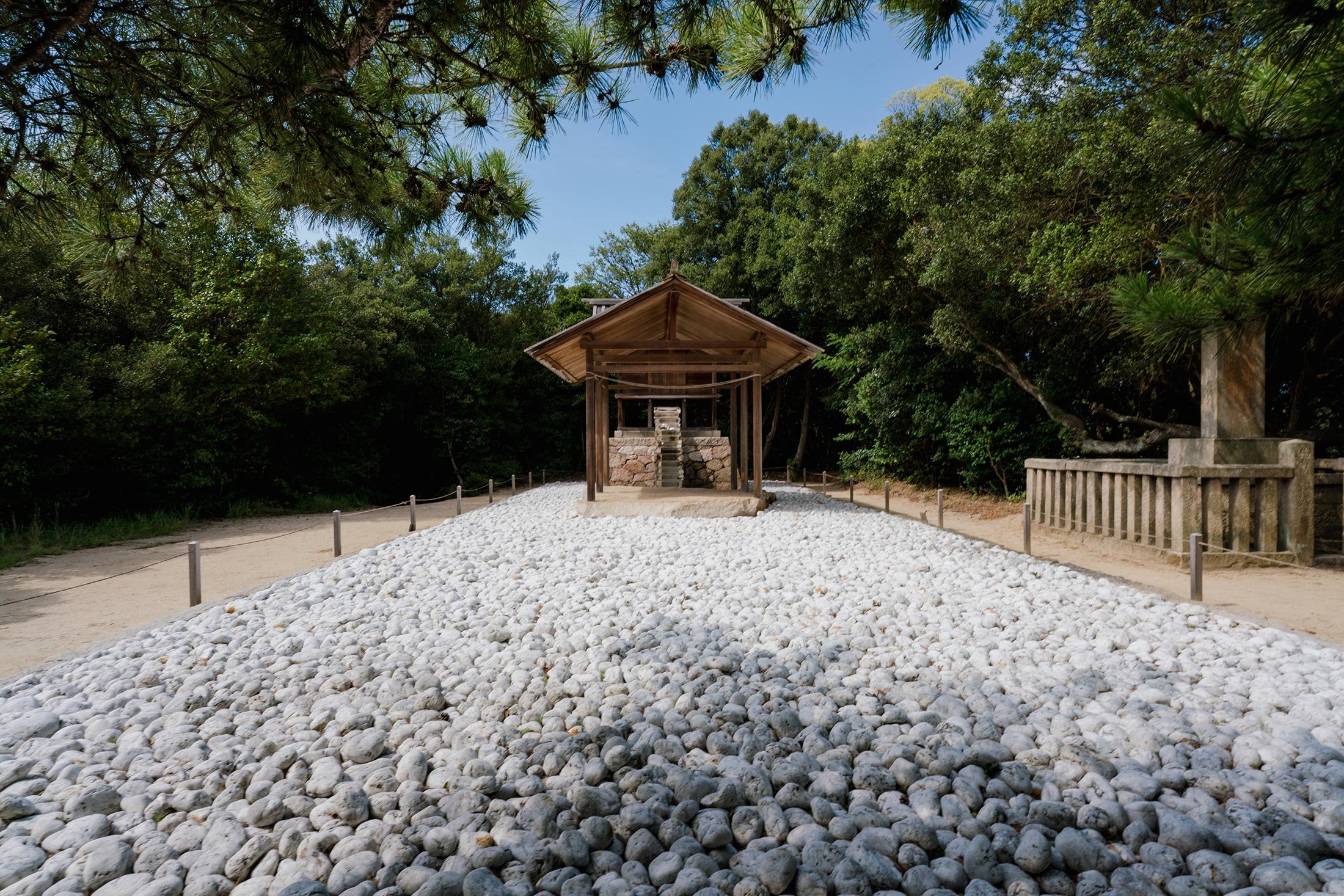
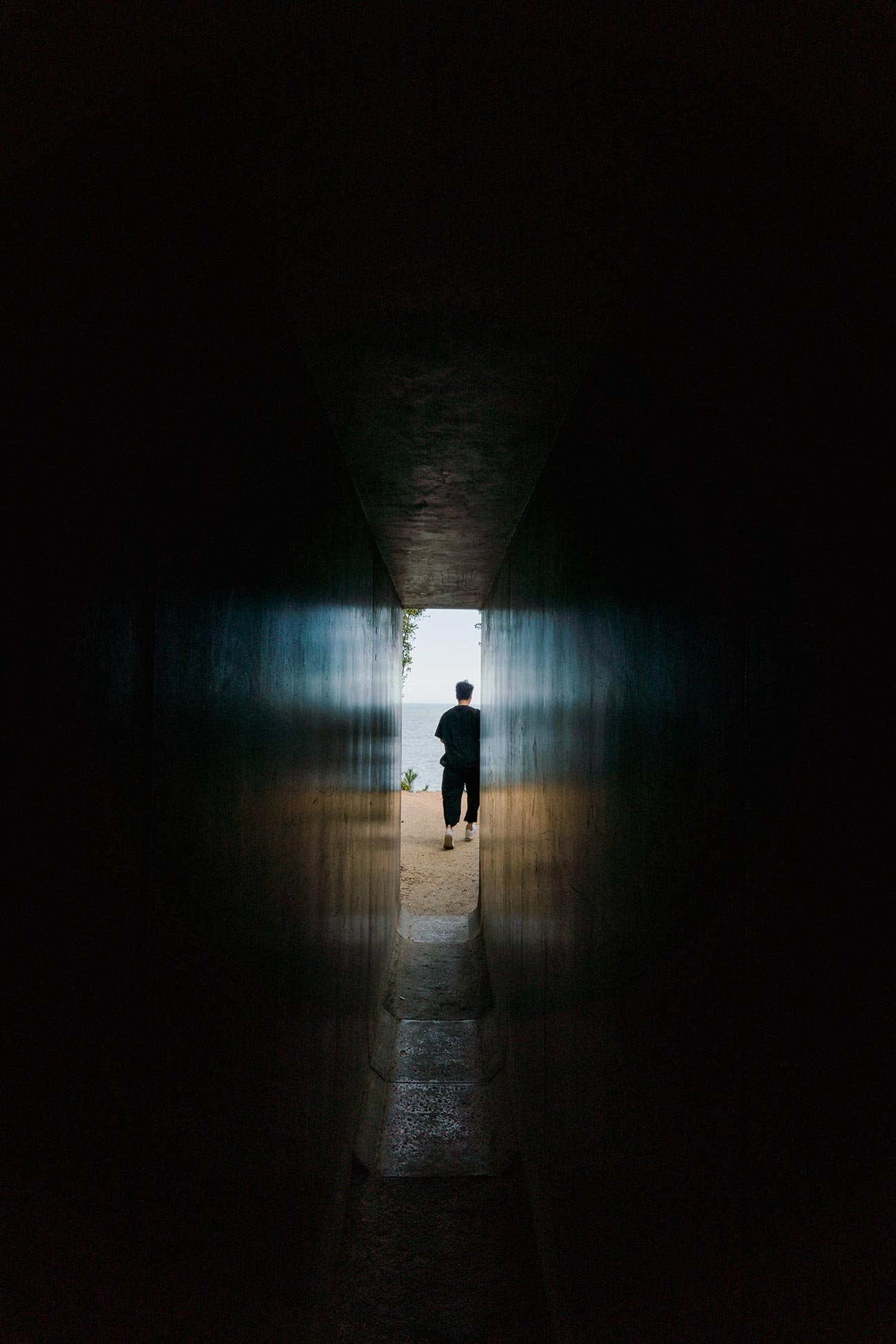

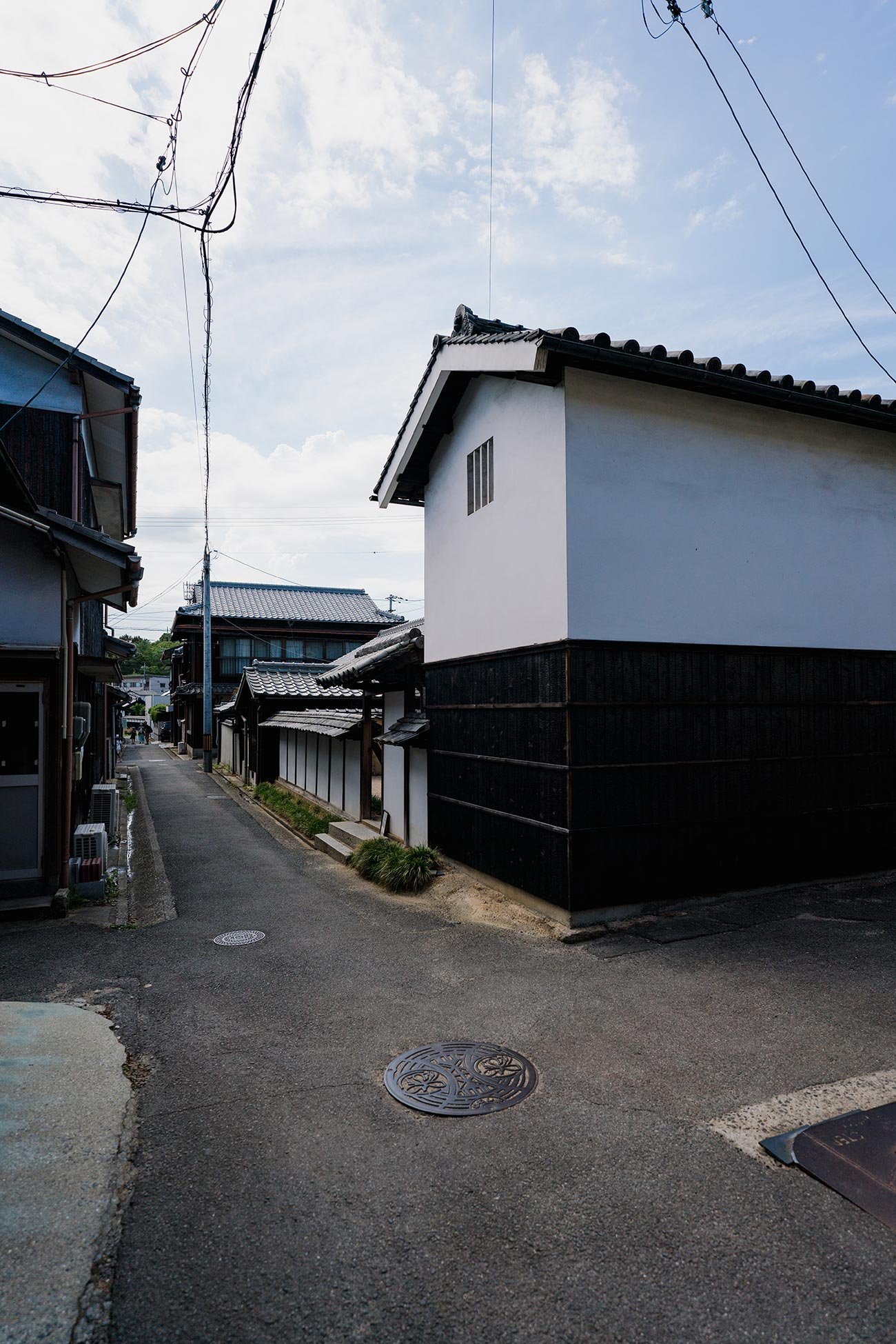
The Art House Project is one of the real highlights of Honmura: a handful of actual Edo-period houses, 17th to 19th century, converted into standalone art spaces, started in the late '90s as part of the same Benesse Art Site initiative. Different artists and architects took on different houses, so each one is its own thing entirely rather than a matching set.
What stays with you is less any single installation and more the pace the whole project puts you in, walking house to house through the village, taking your time with each one instead of moving through a single building on autopilot. It's a genuinely good way to spend an afternoon, tradition and contemporary art sitting inside the same walls without one canceling out the other.
Ando Museum
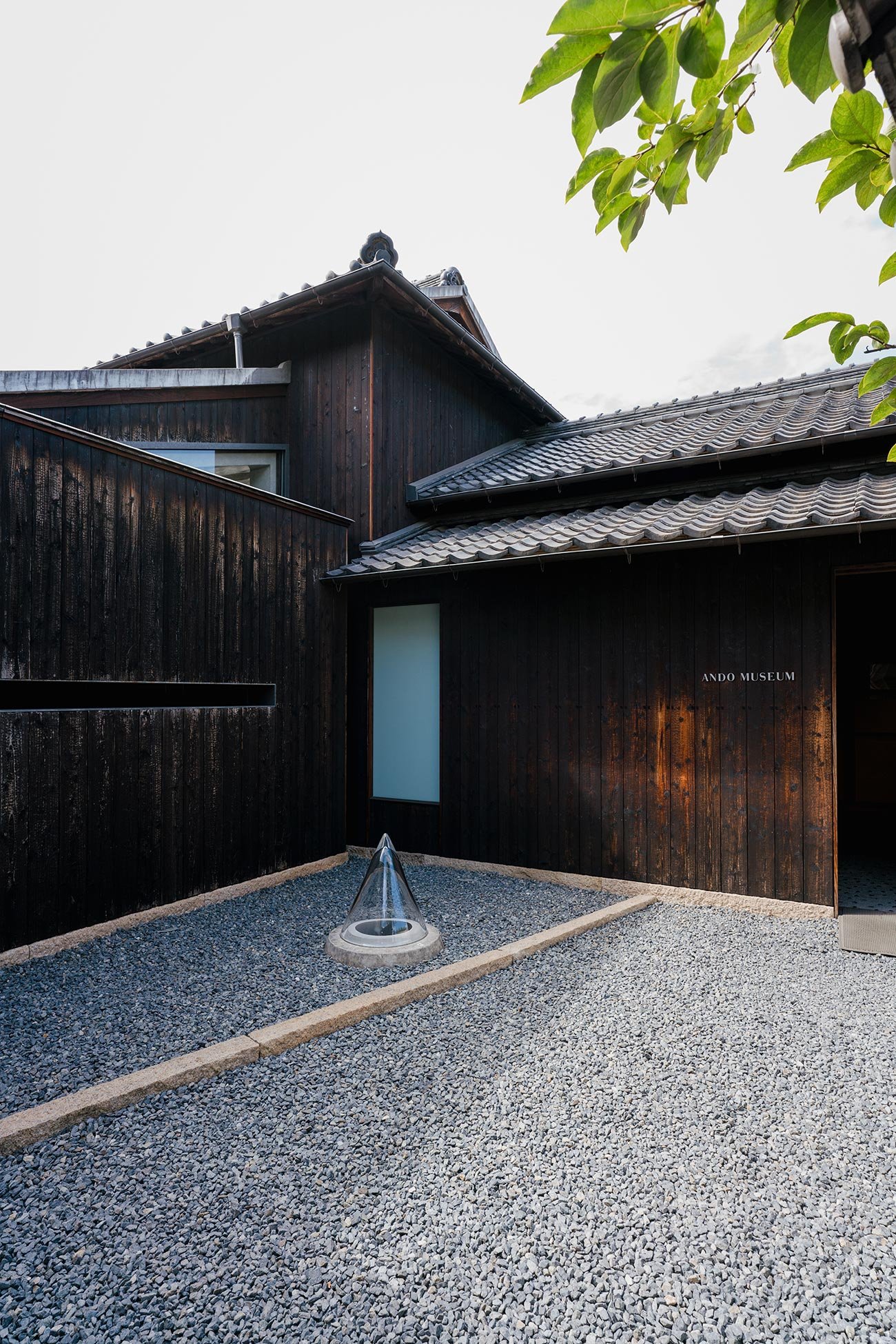
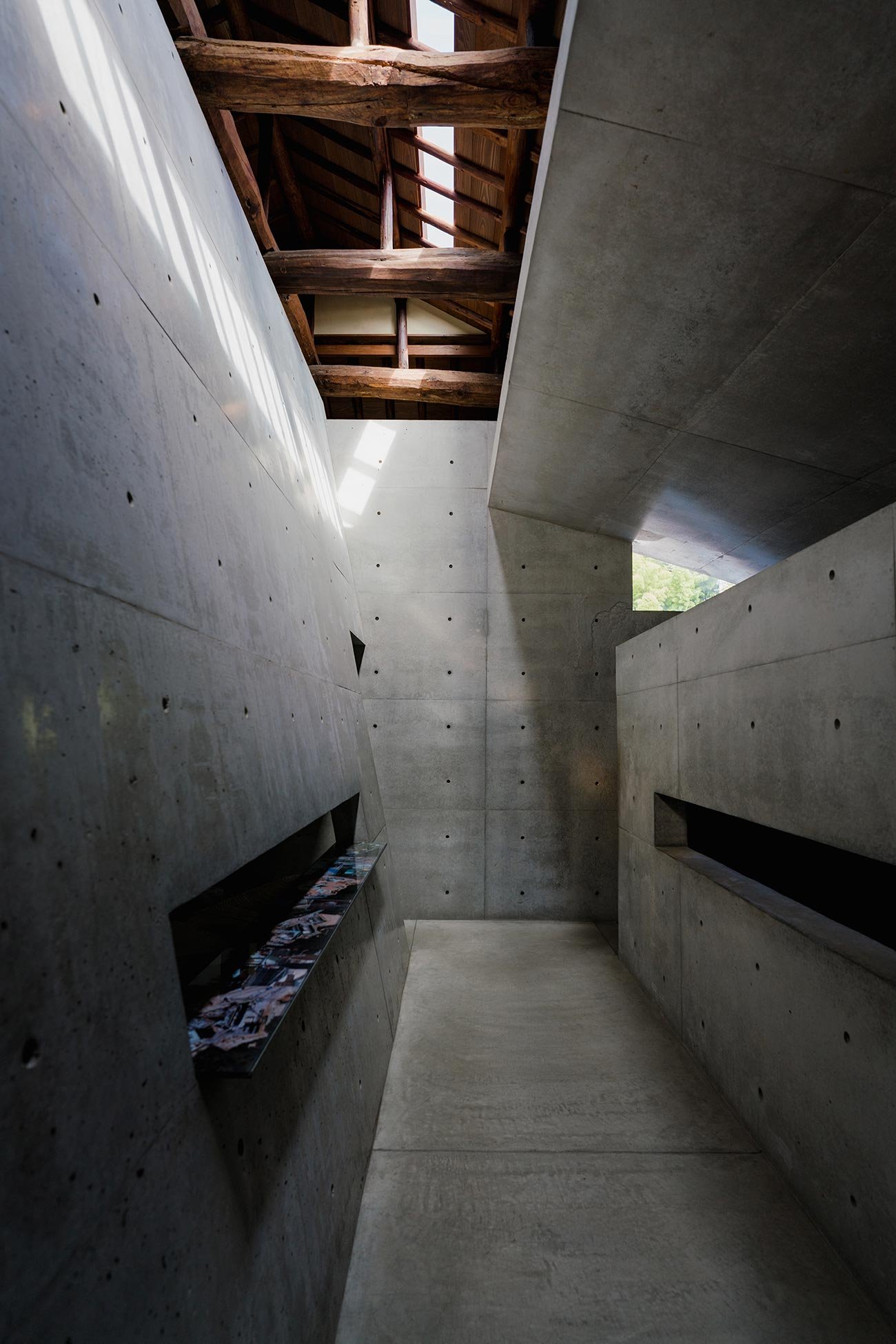
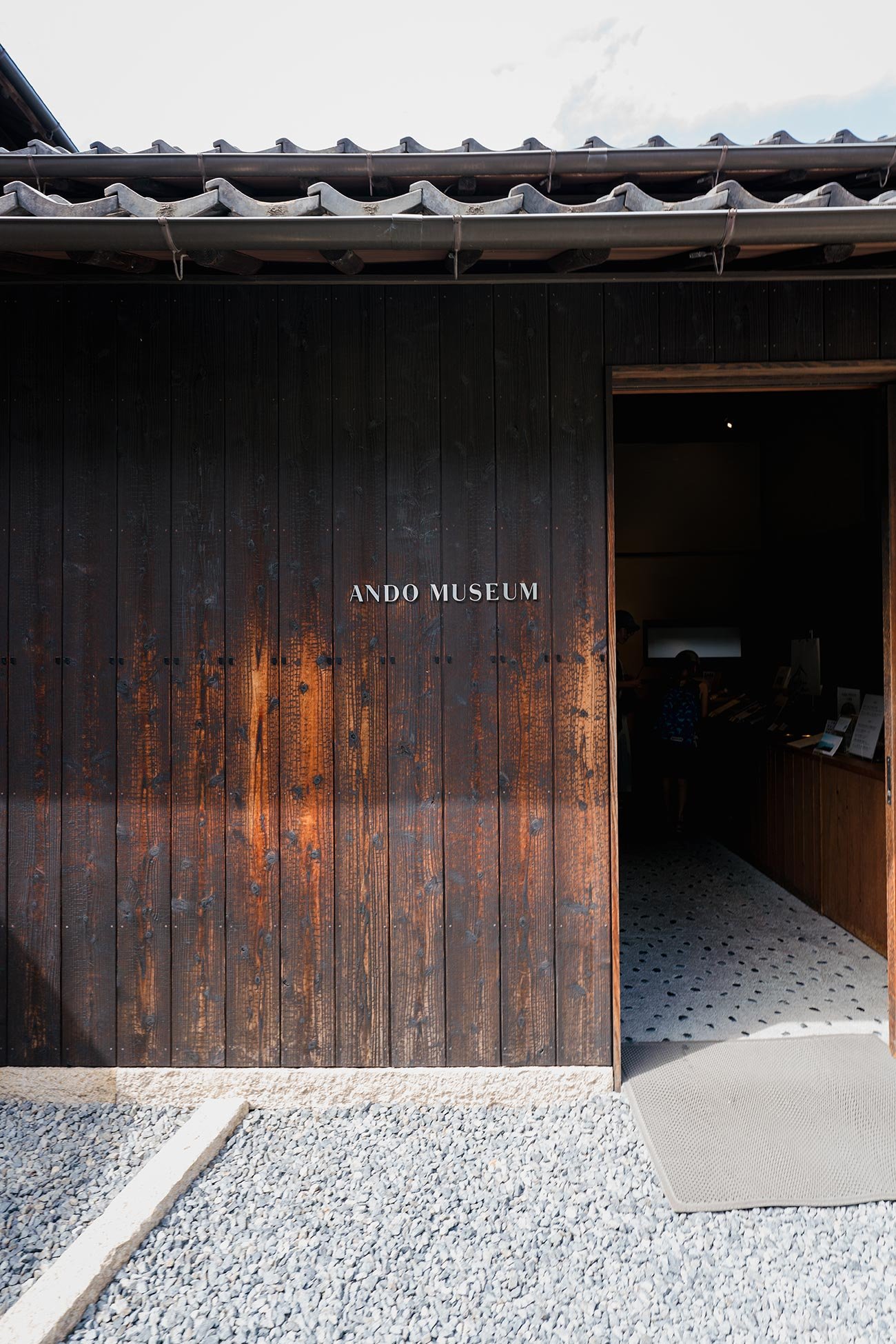
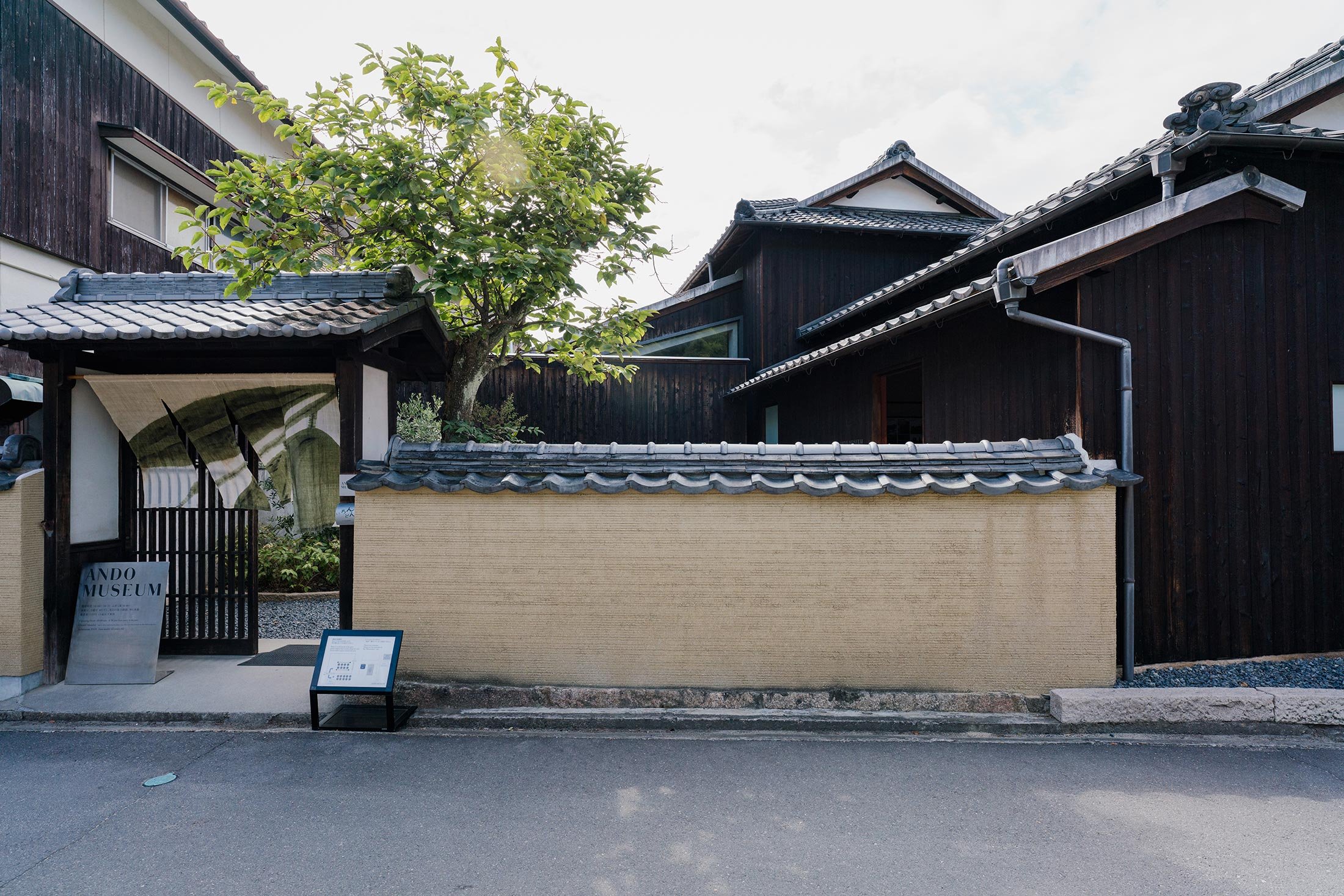
Ando Museum is Ando's own namesake museum, built into a 100-year-old timber house in Honmura. Inside it's wood against concrete, old against new, light cutting through both, which is really just Ando's whole approach shrunk down into one small building. There are photographs, sketches, architectural models, a walk through both his career and Naoshima's history at the same time.
It reminded us of Ando's solo exhibition, 'Tadao Ando: Youth,' which we'd seen at Museum SAN in Wonju, Korea, the same spirit, just condensed into a fraction of the space.
Ryokan Roka
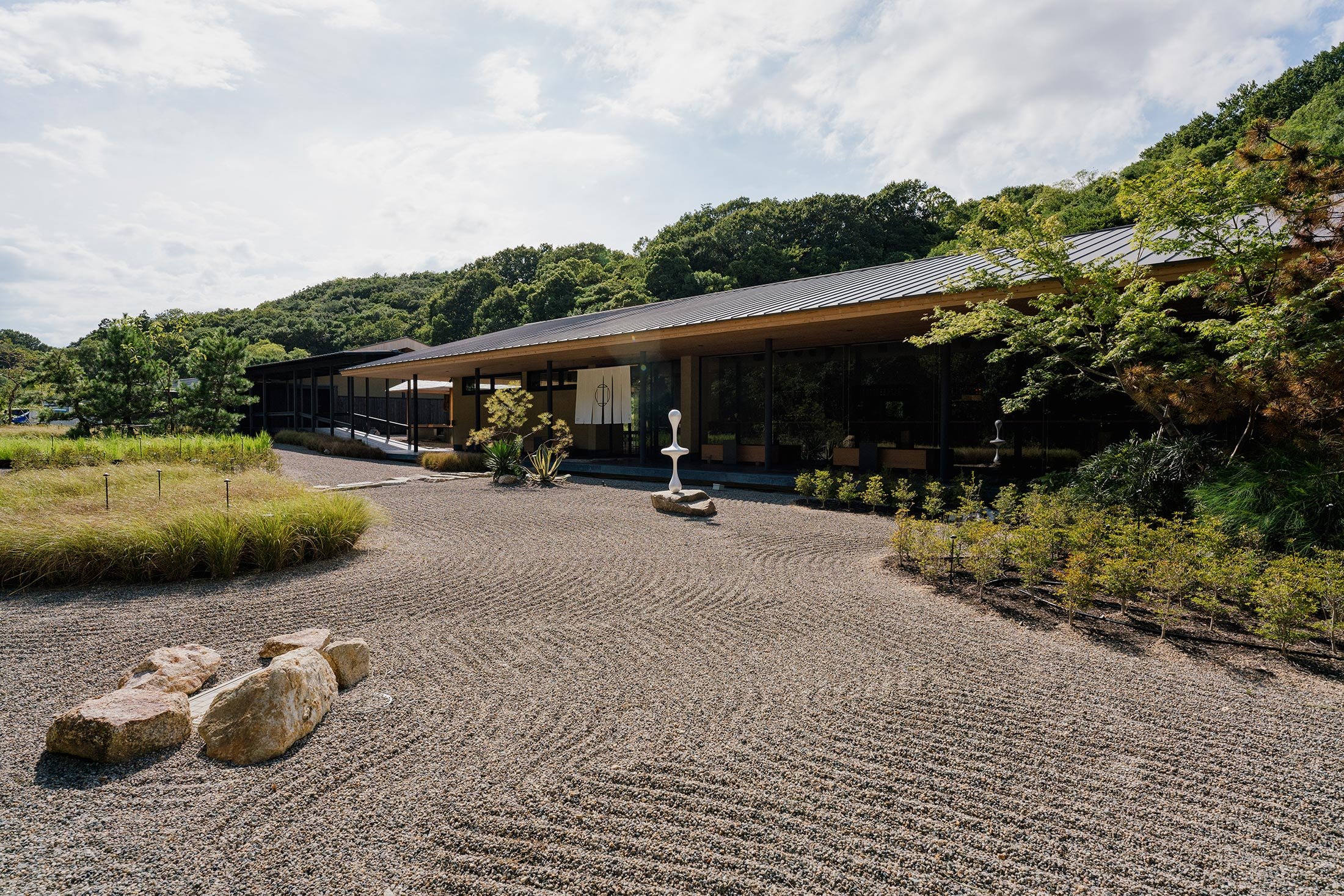
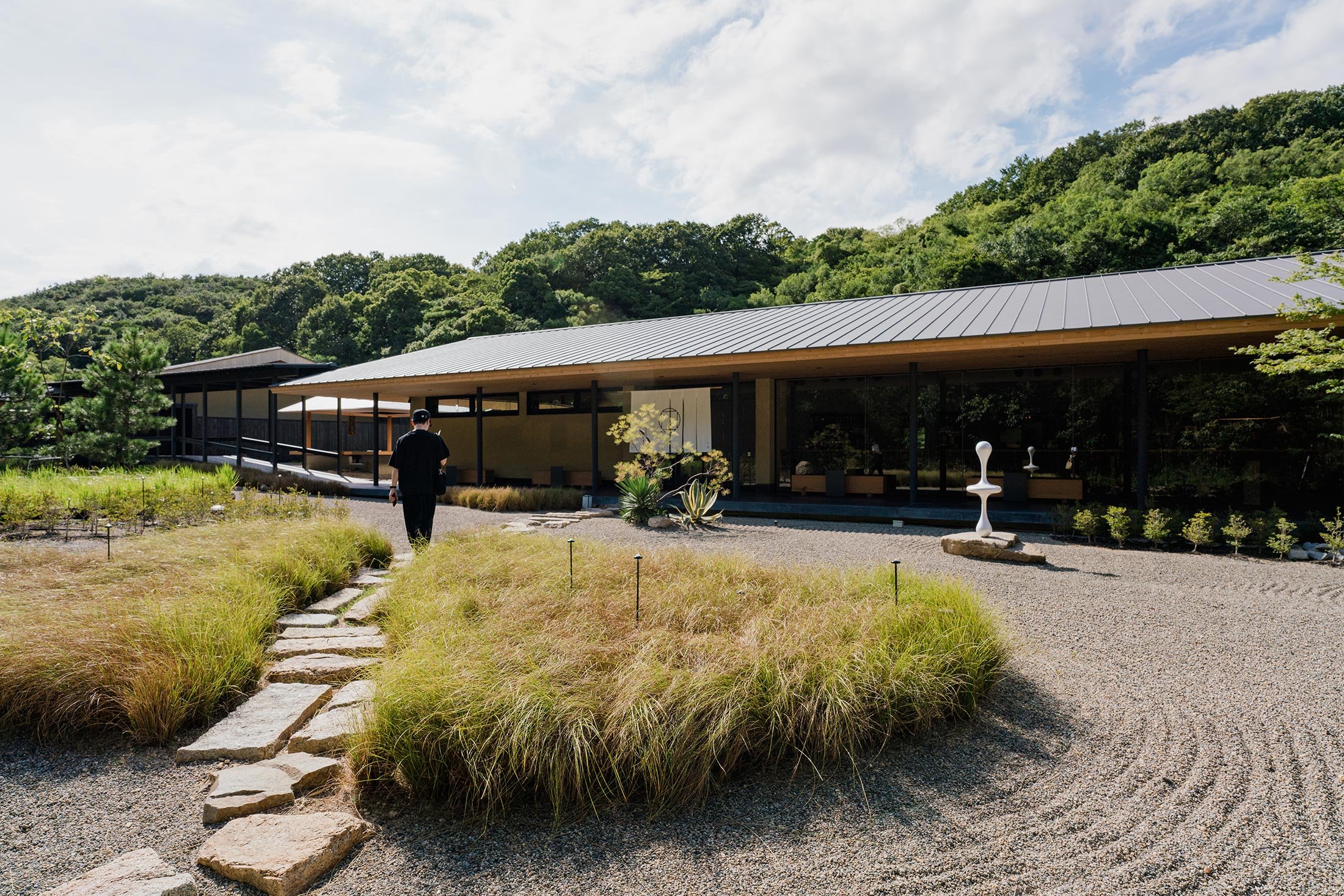
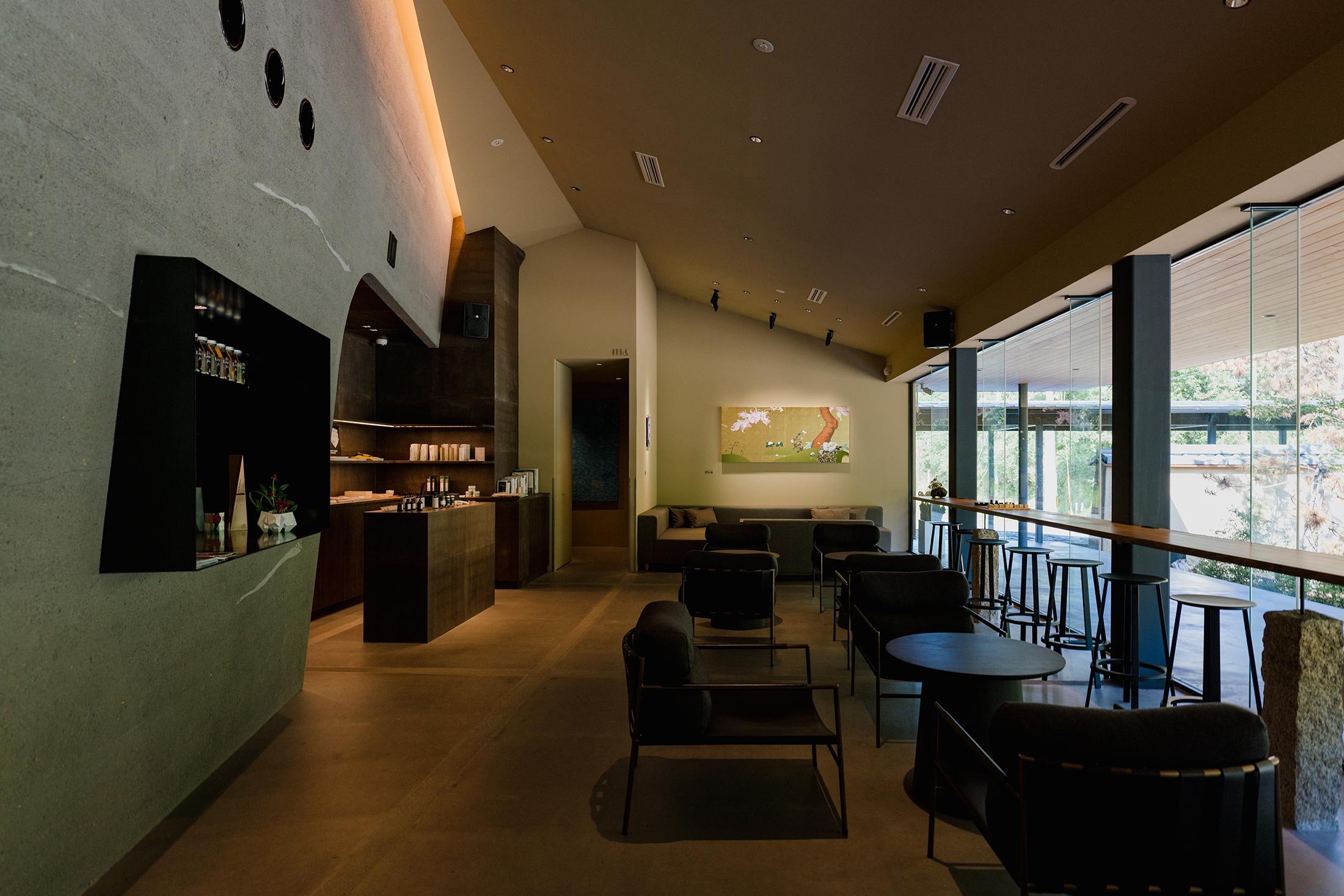
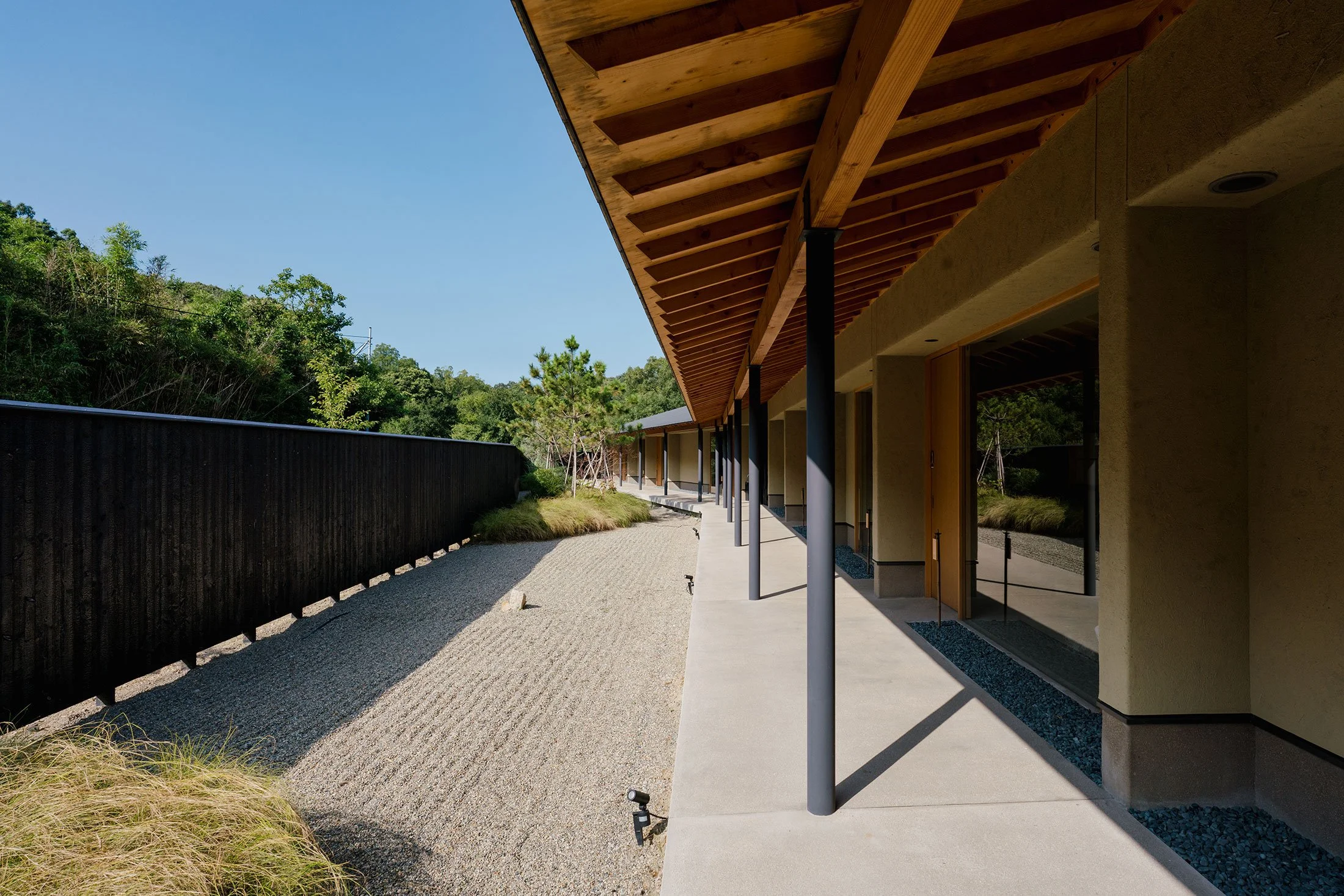
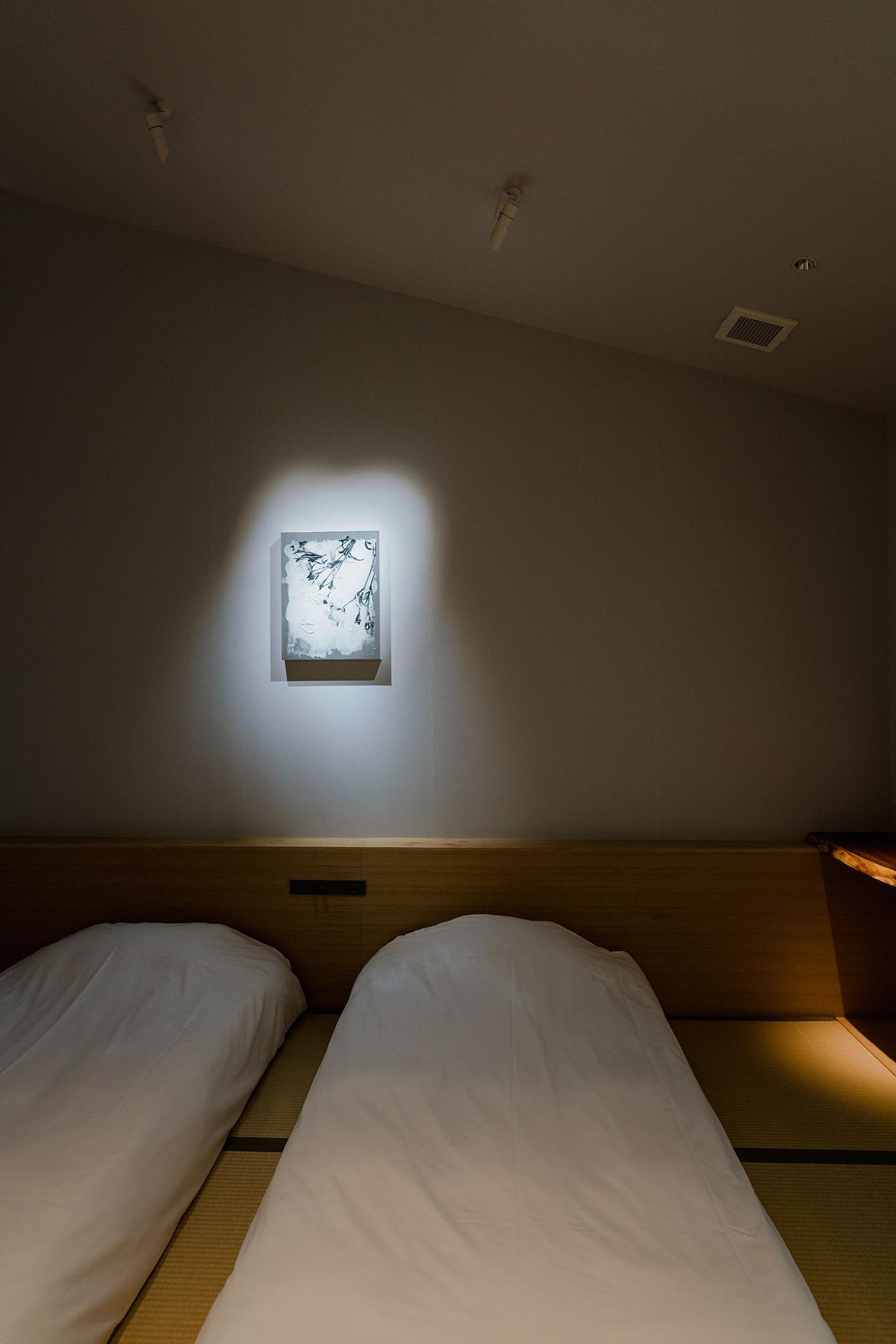
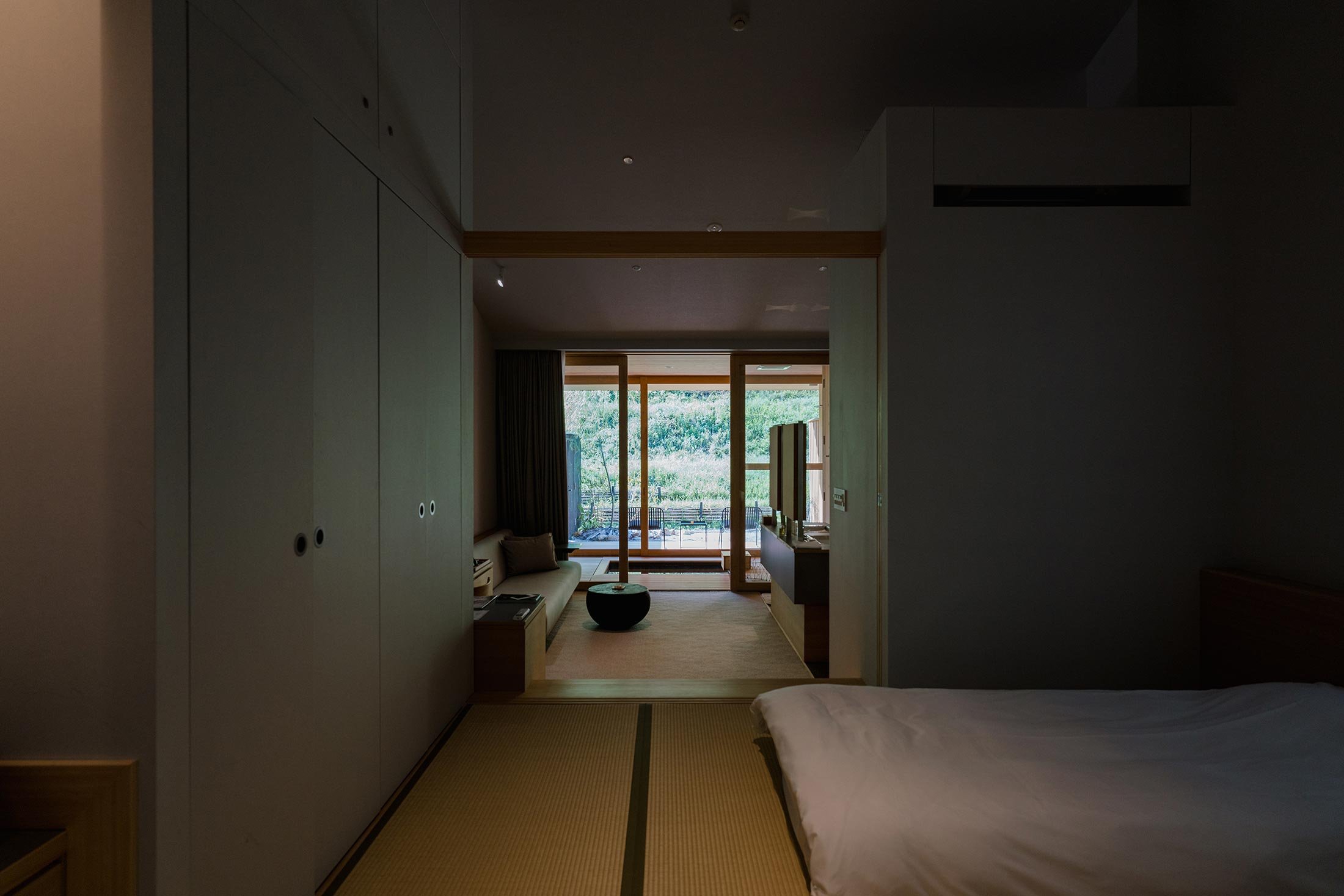
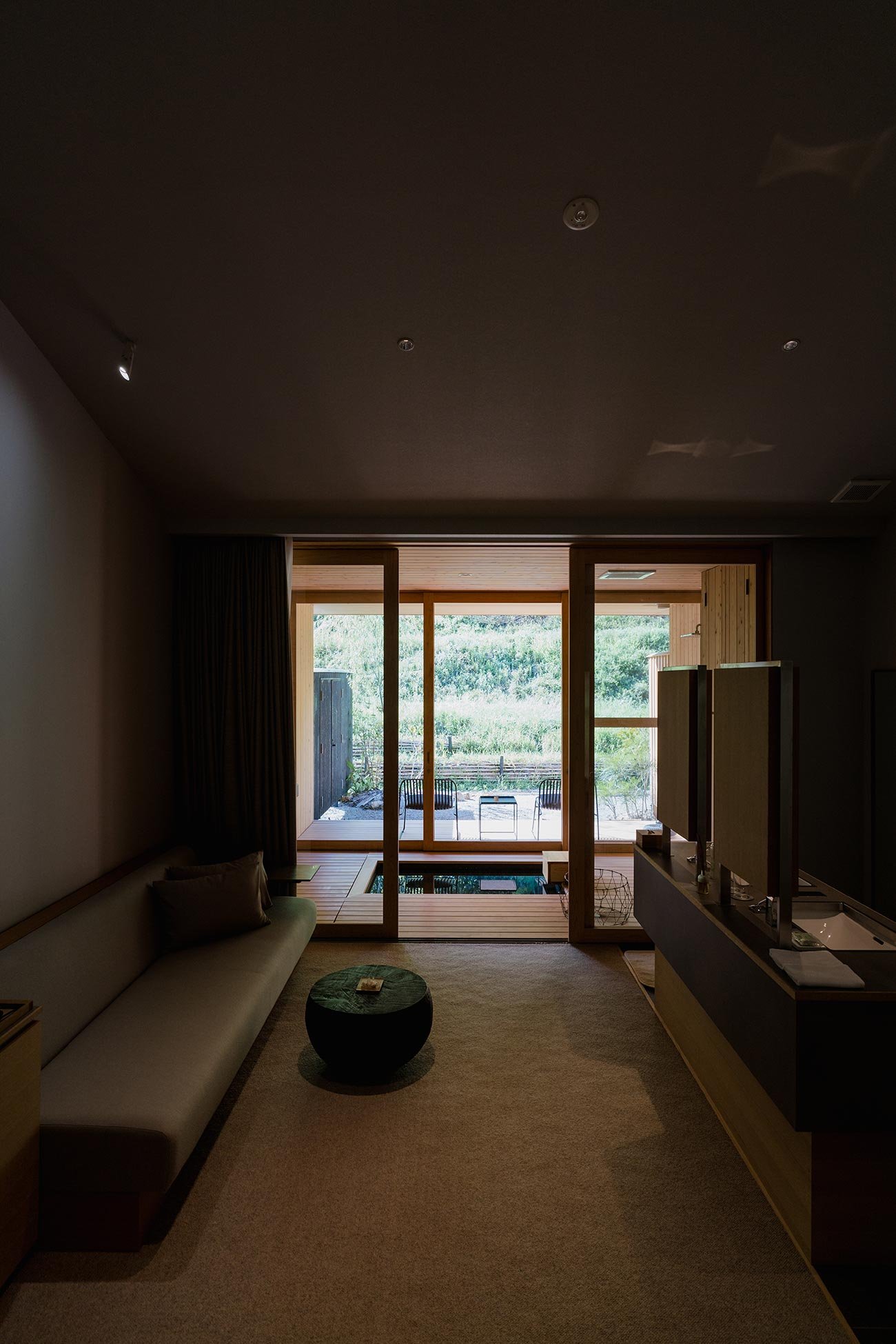
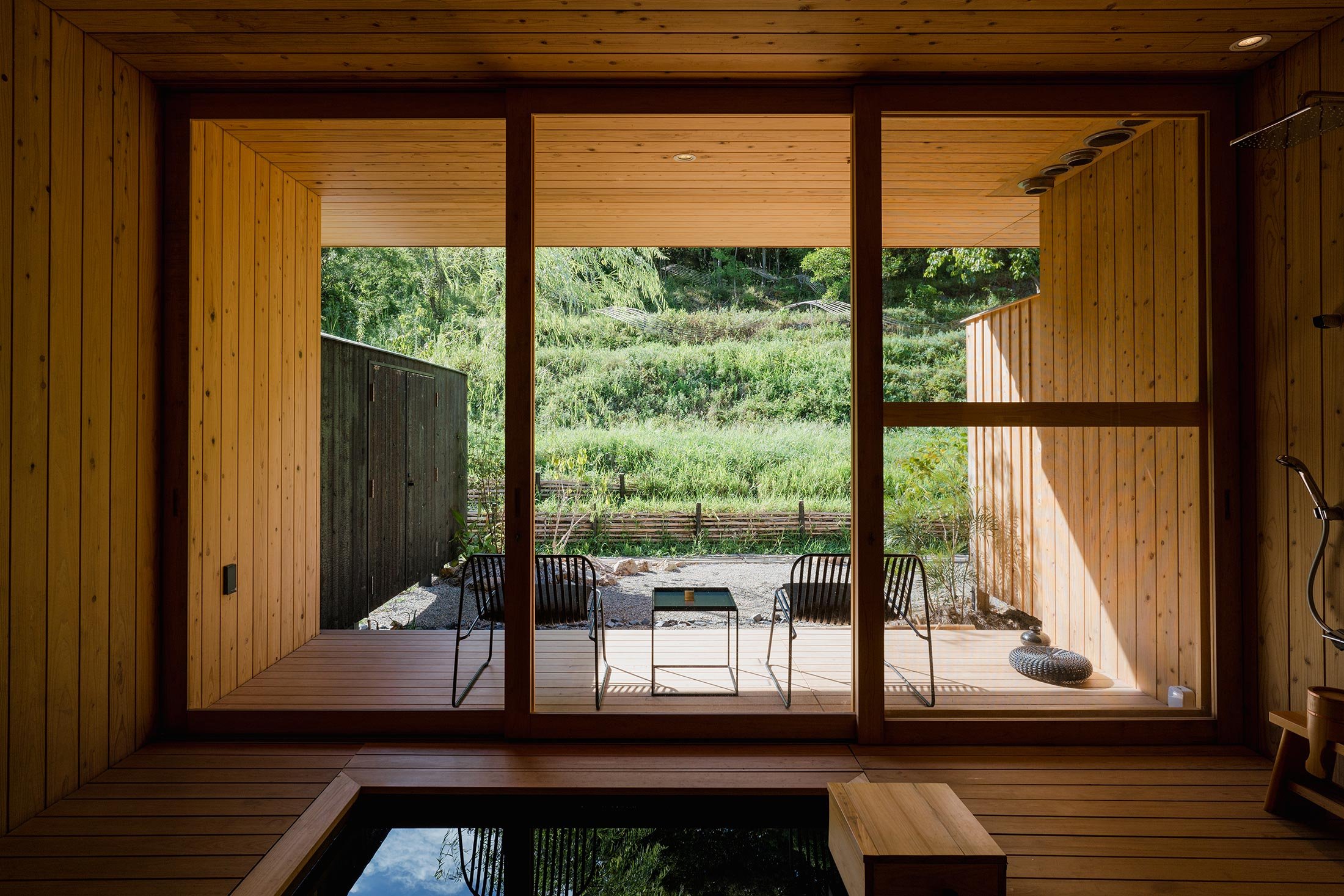
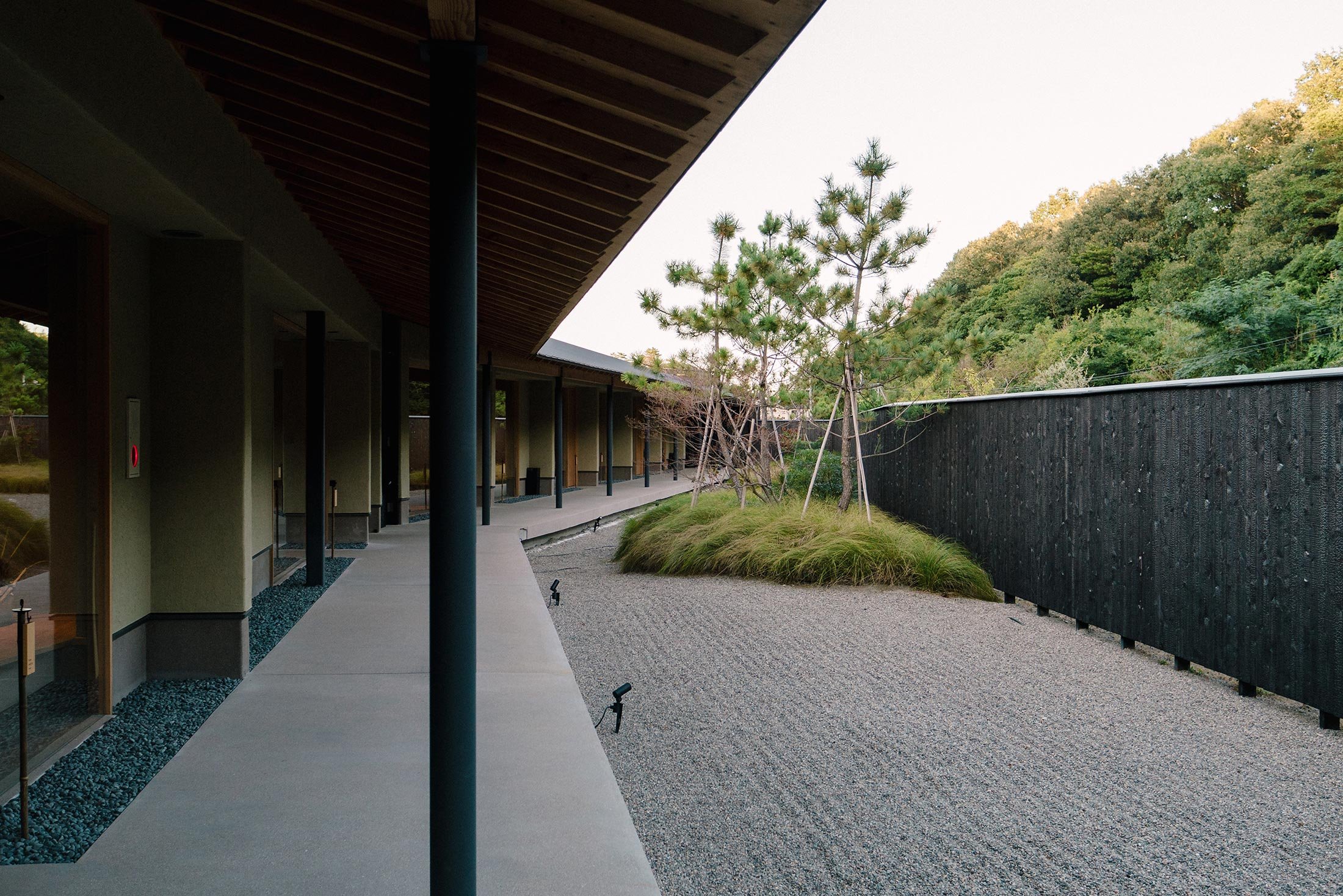
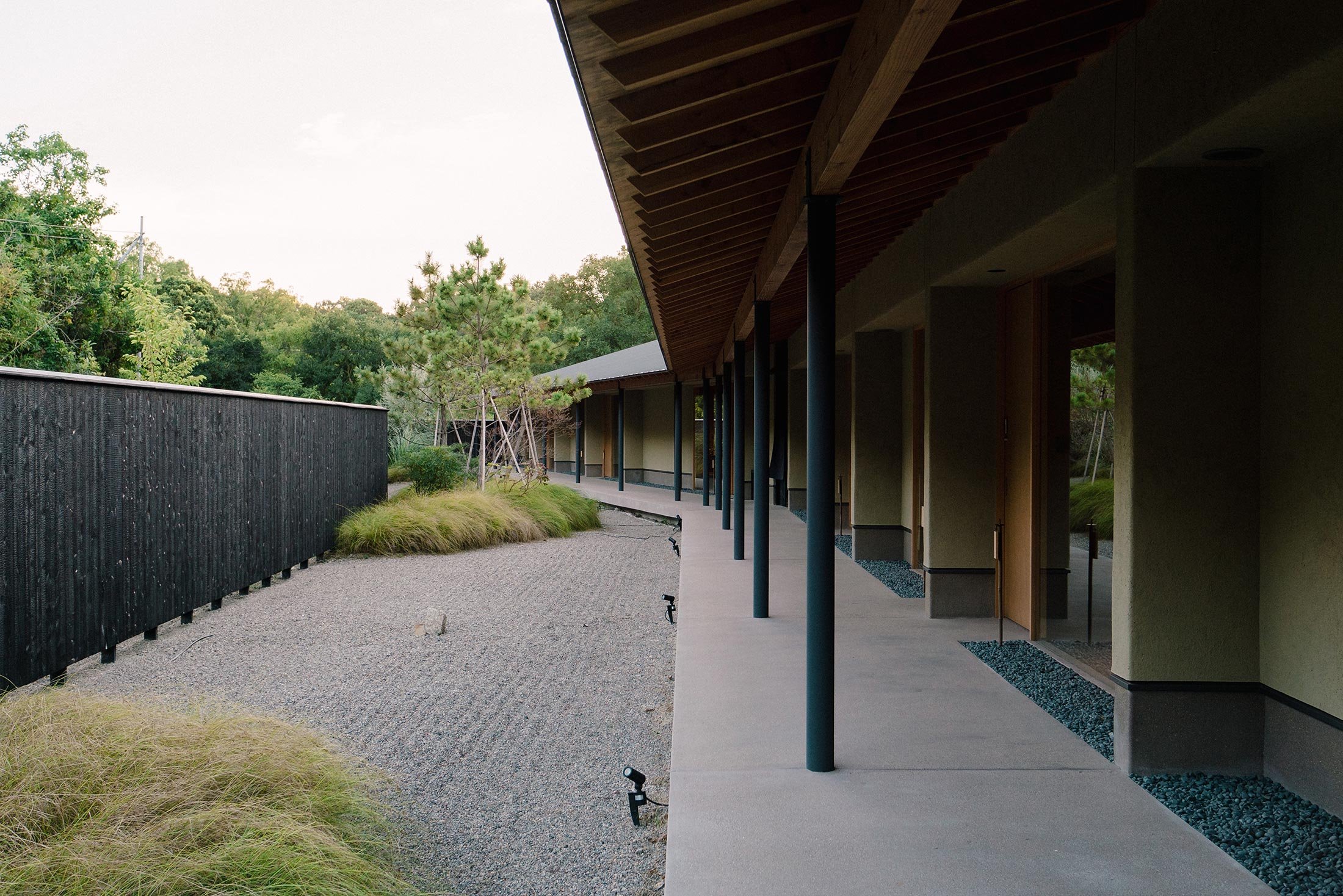
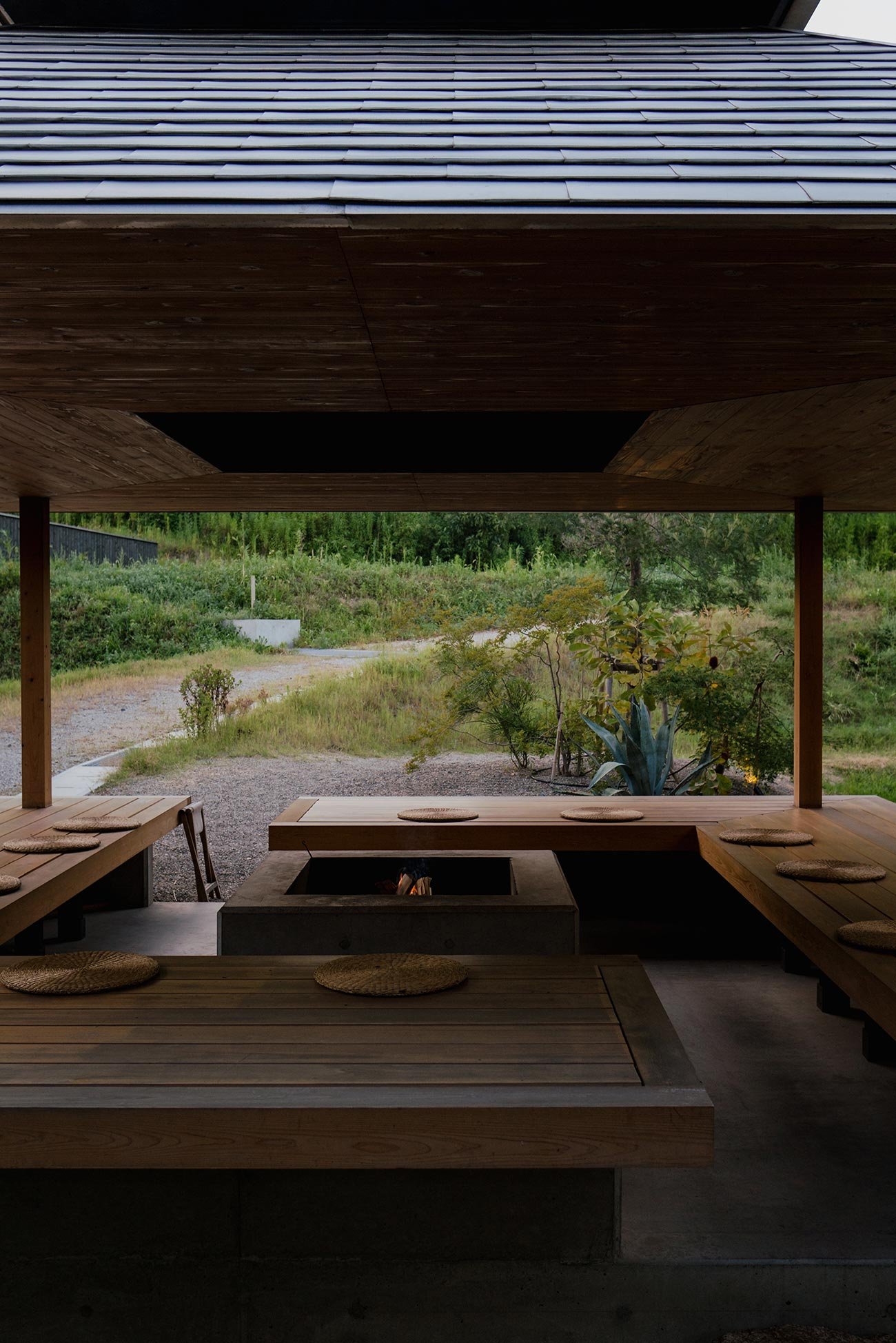
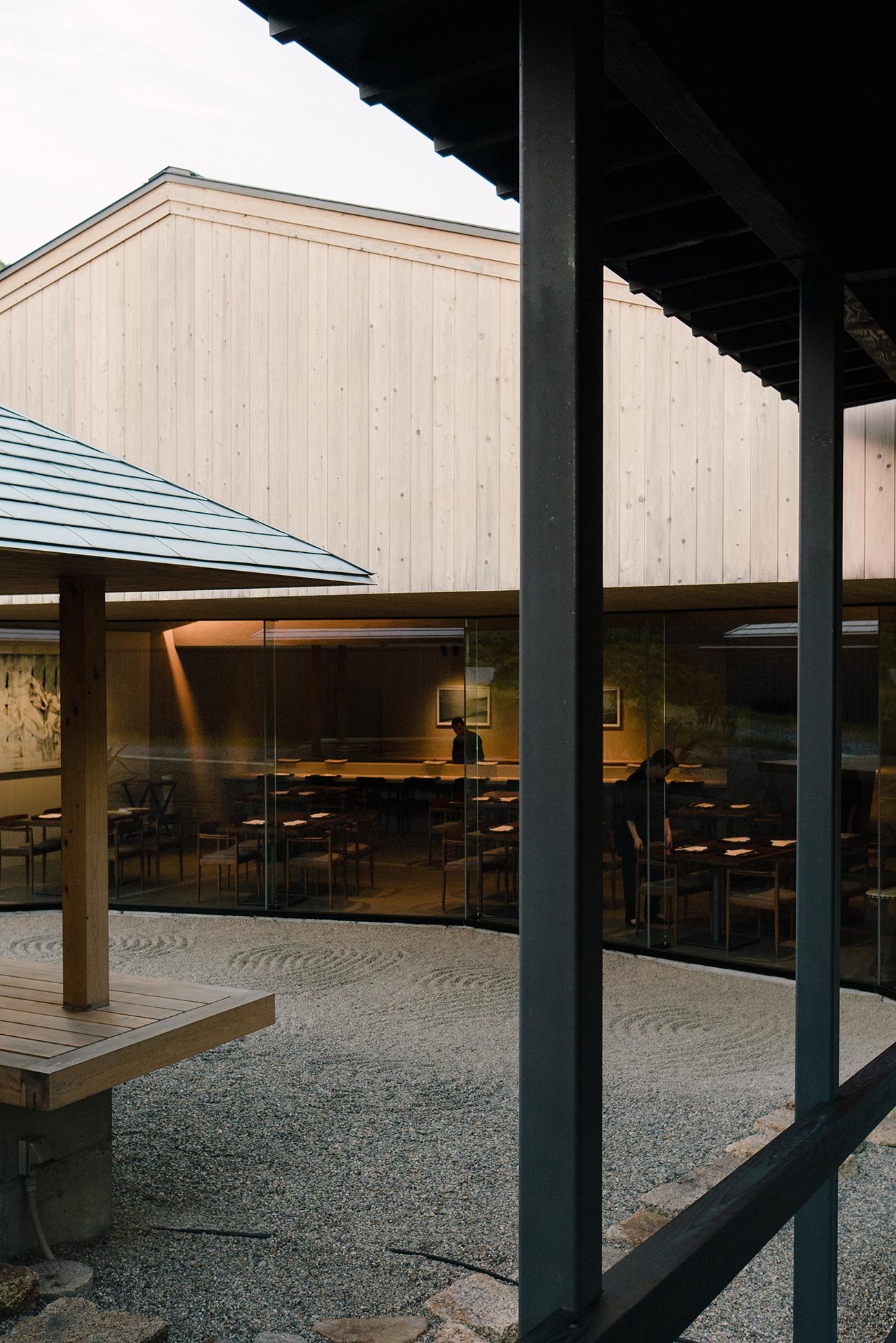
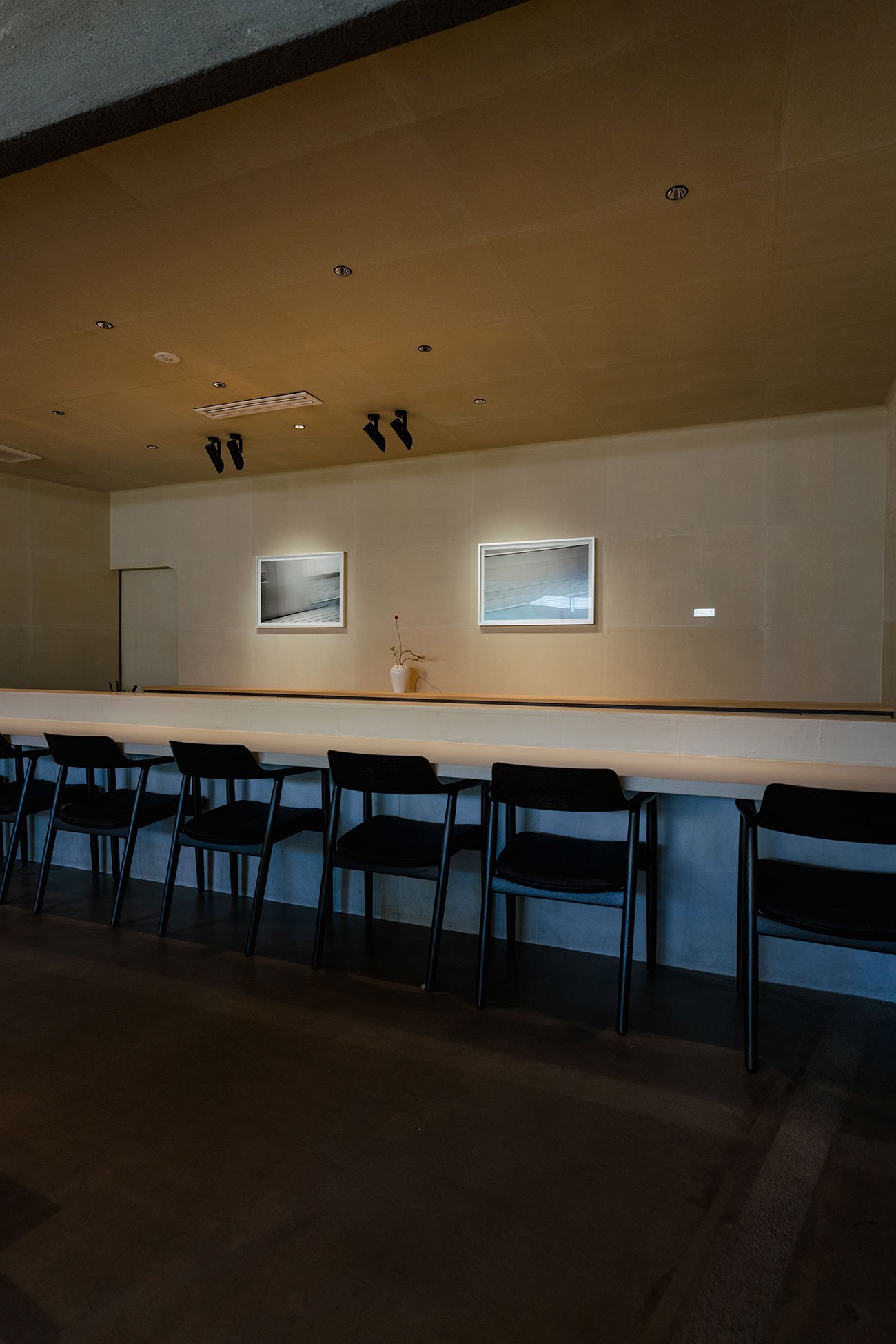
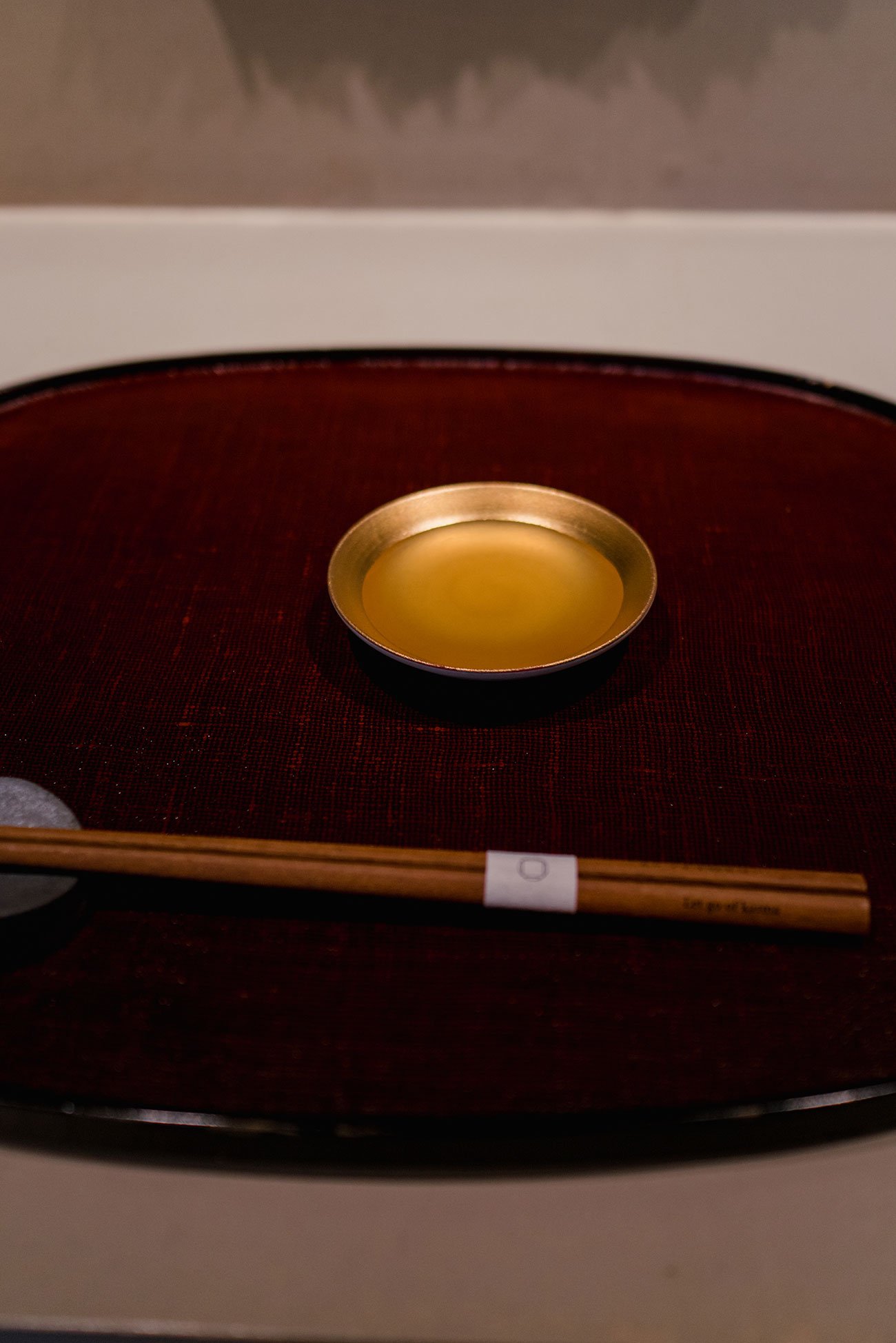

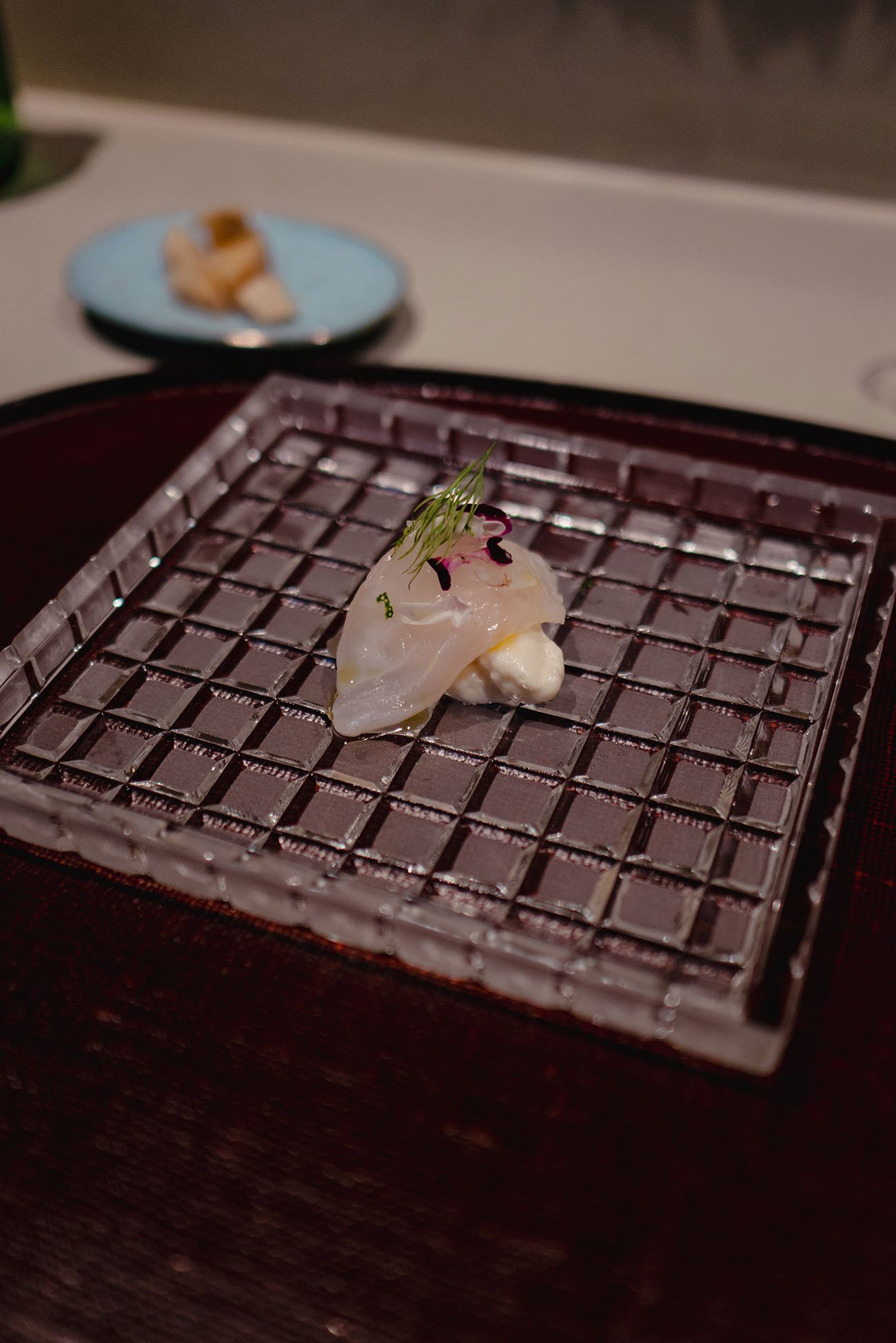
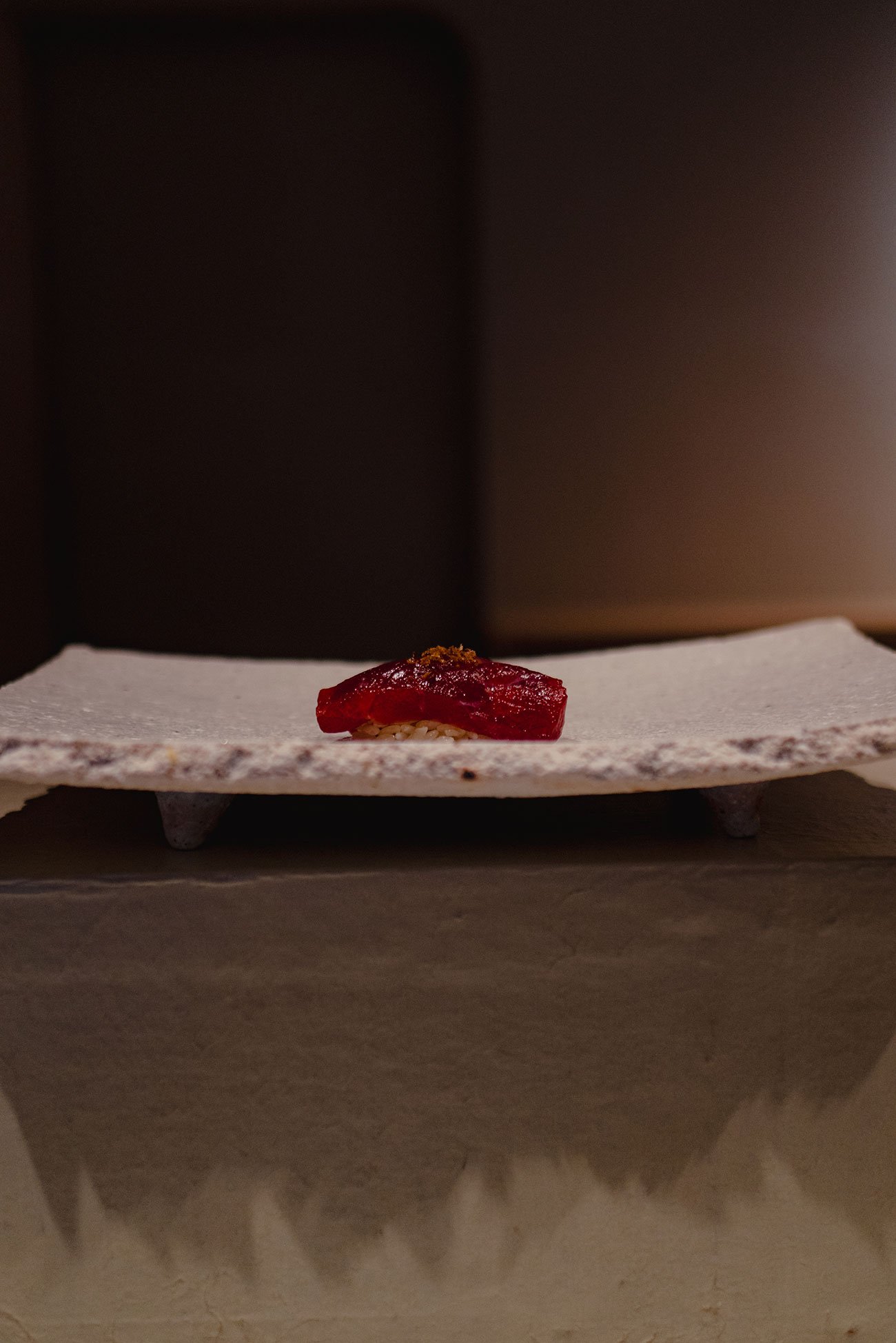
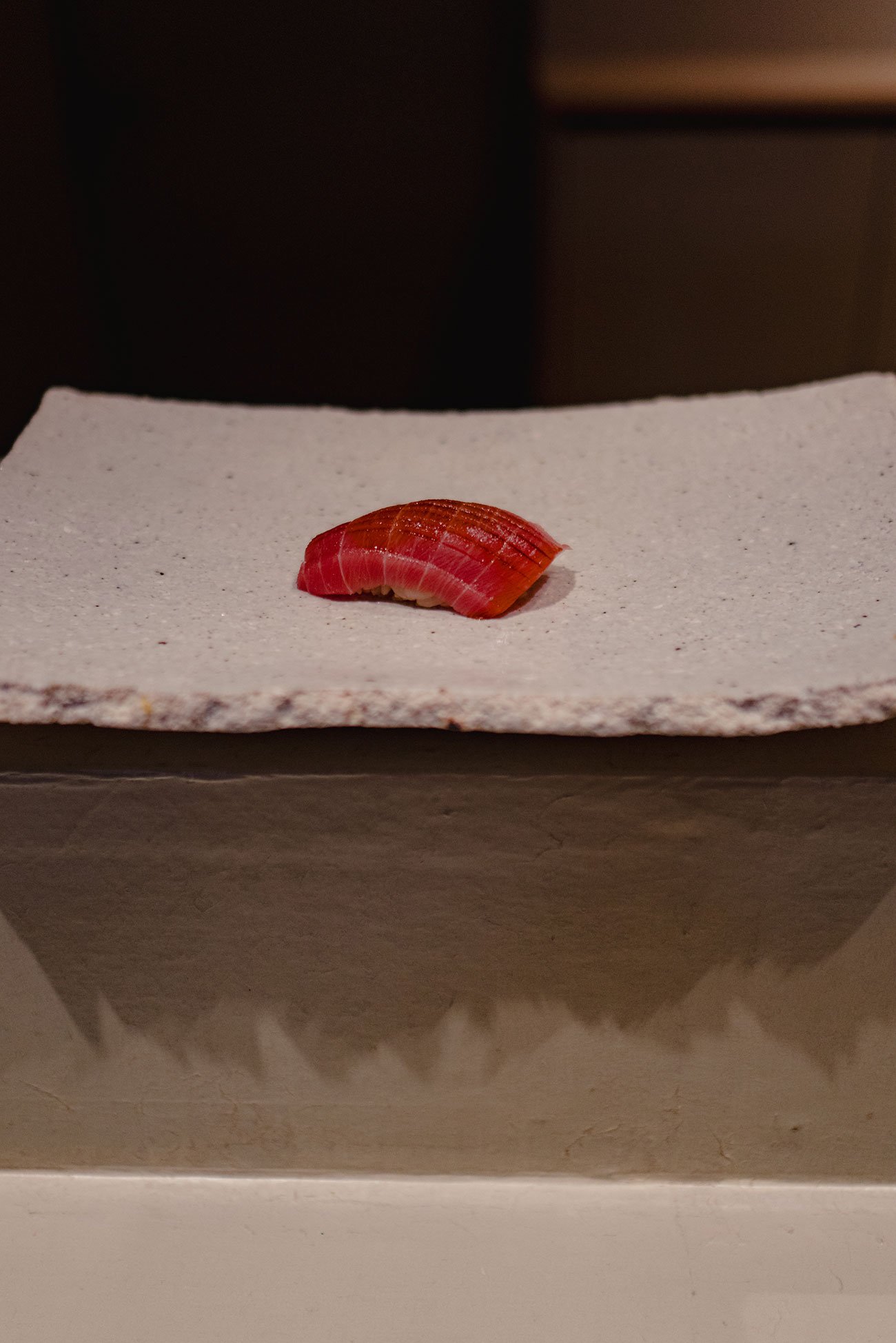
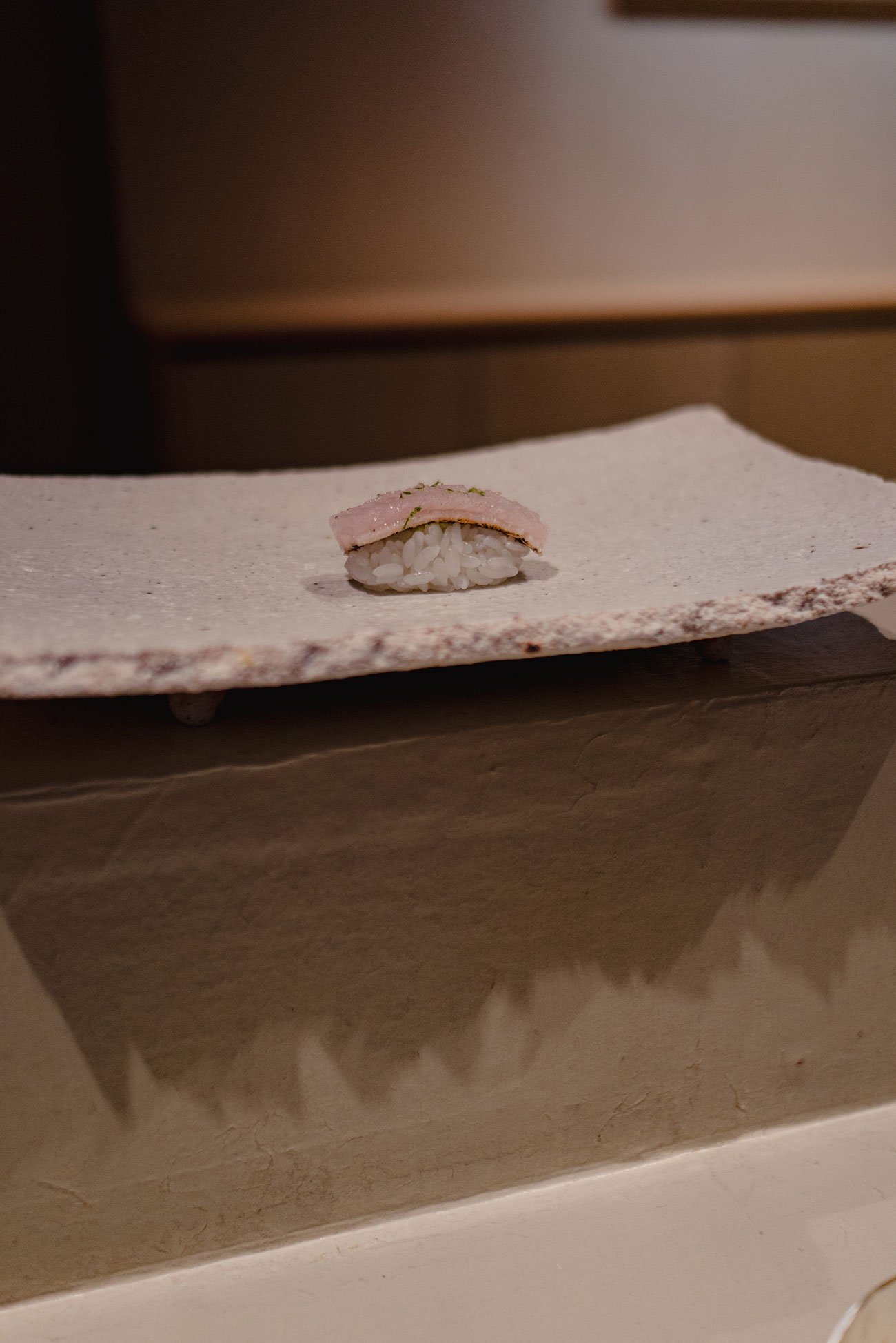
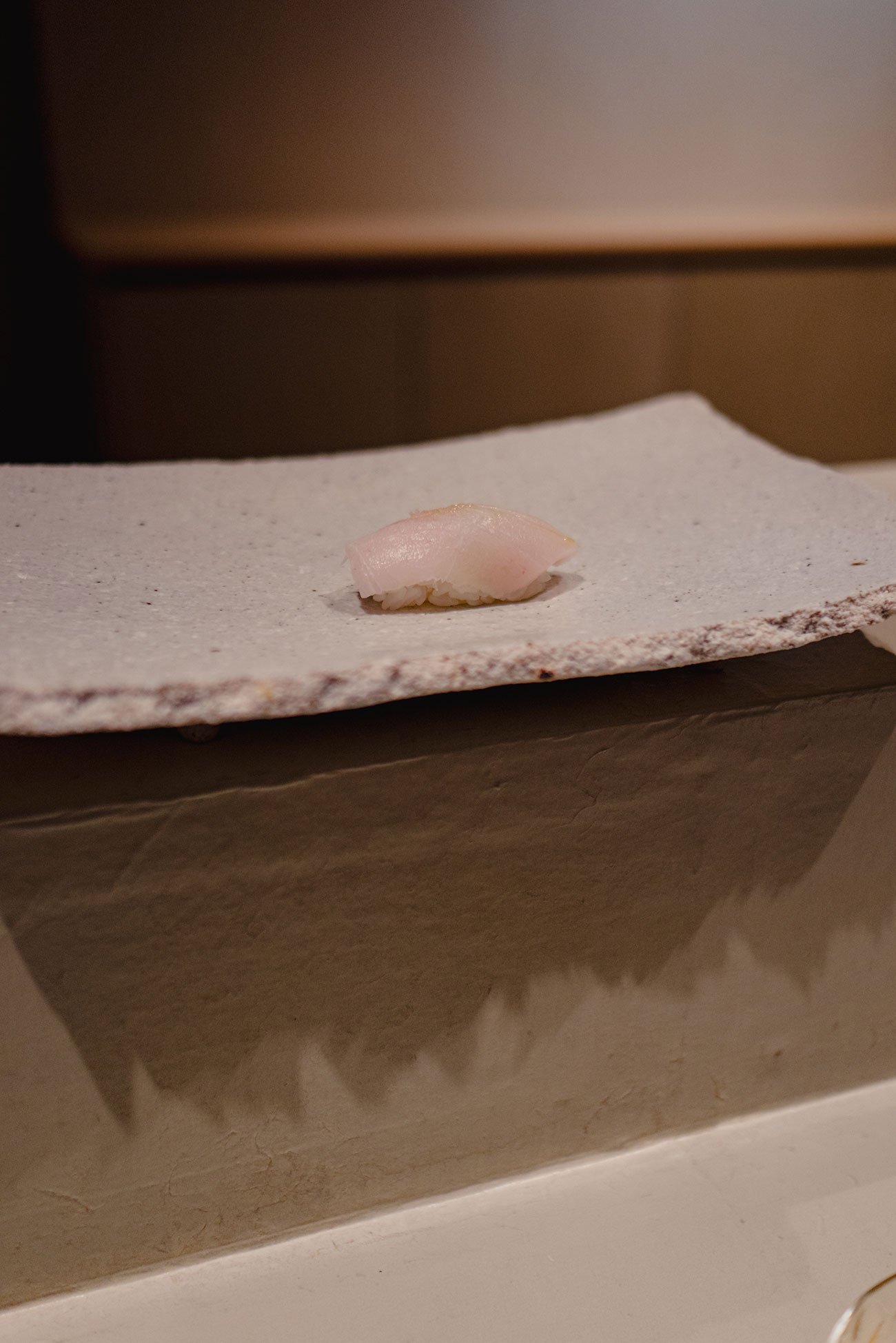
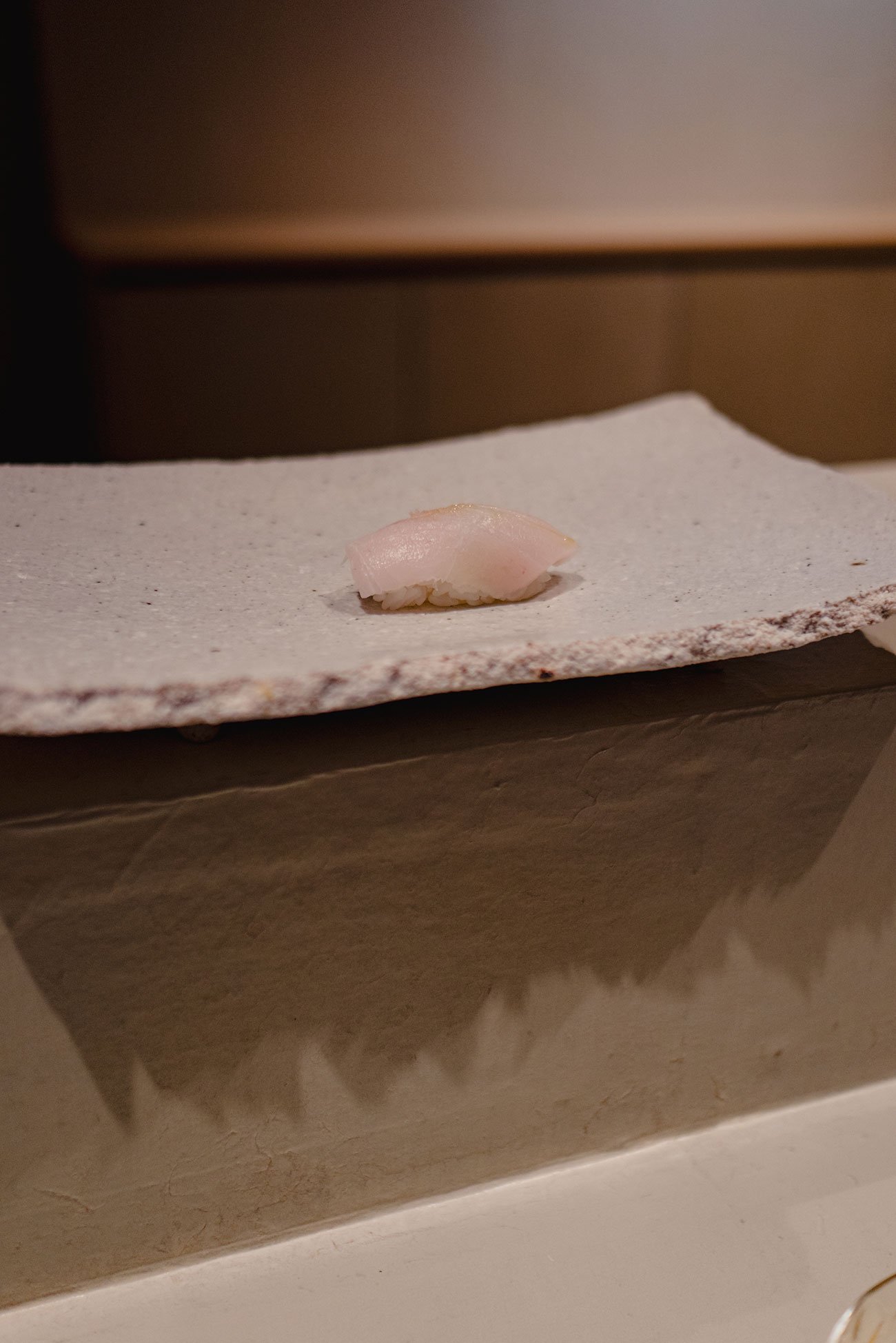
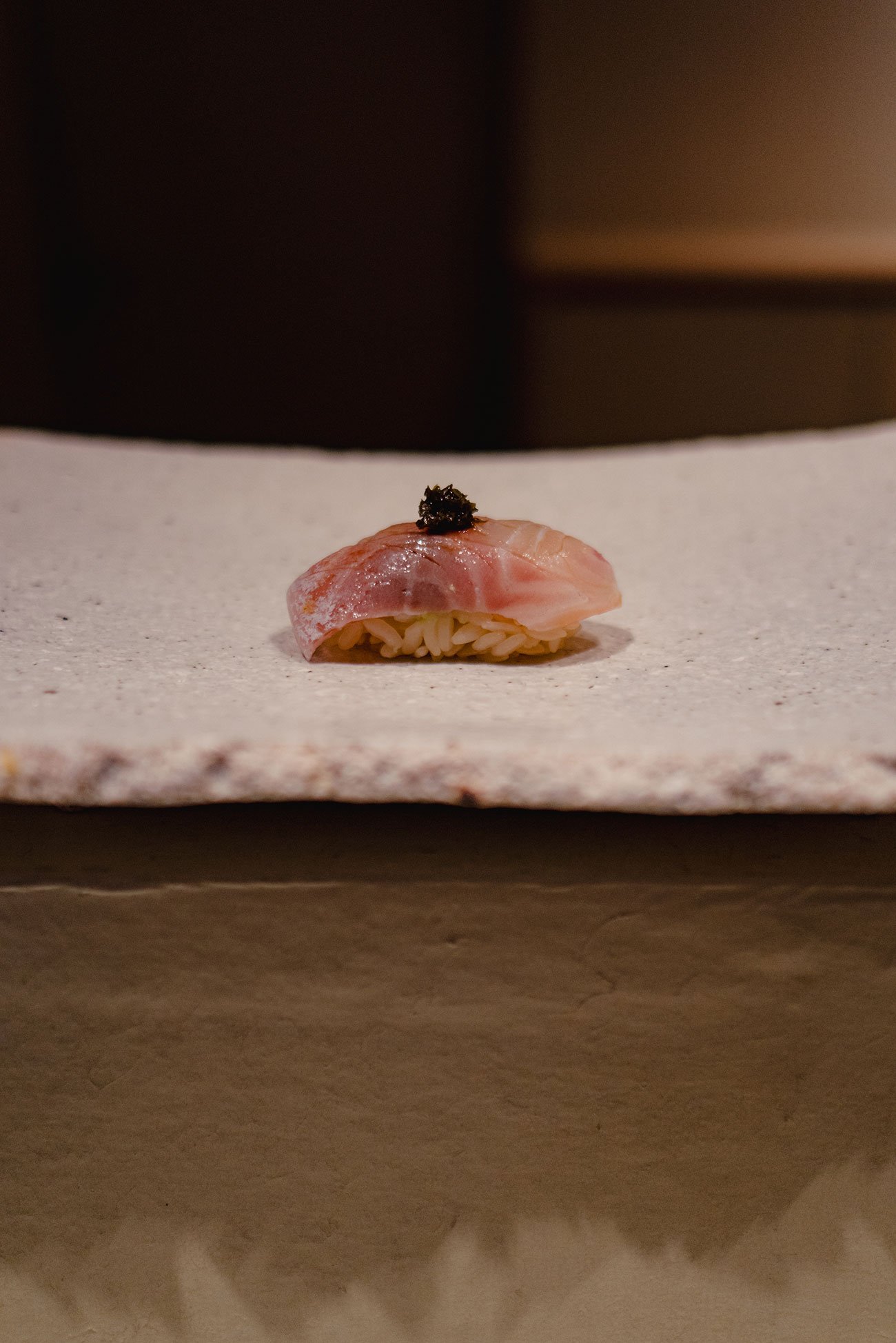
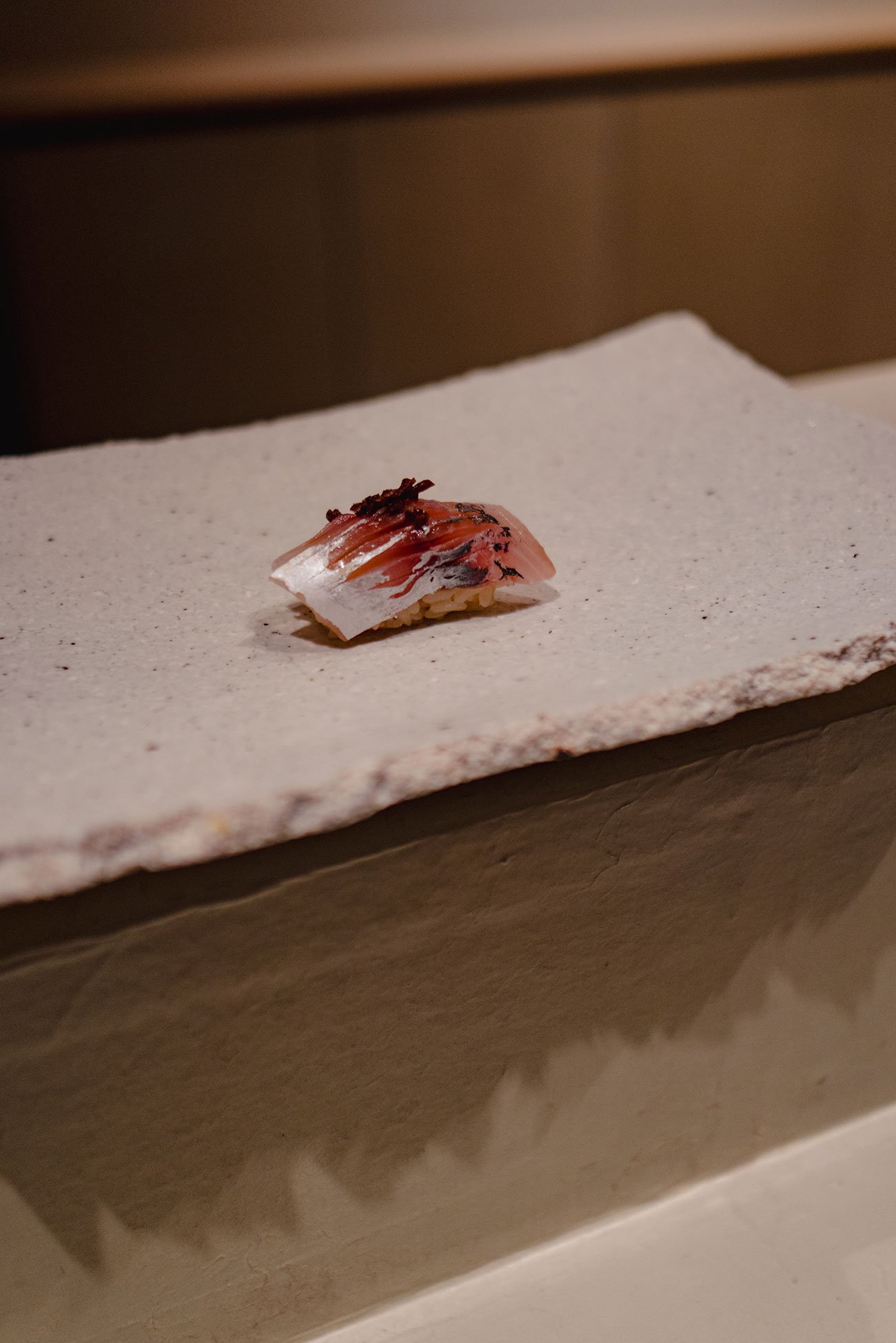
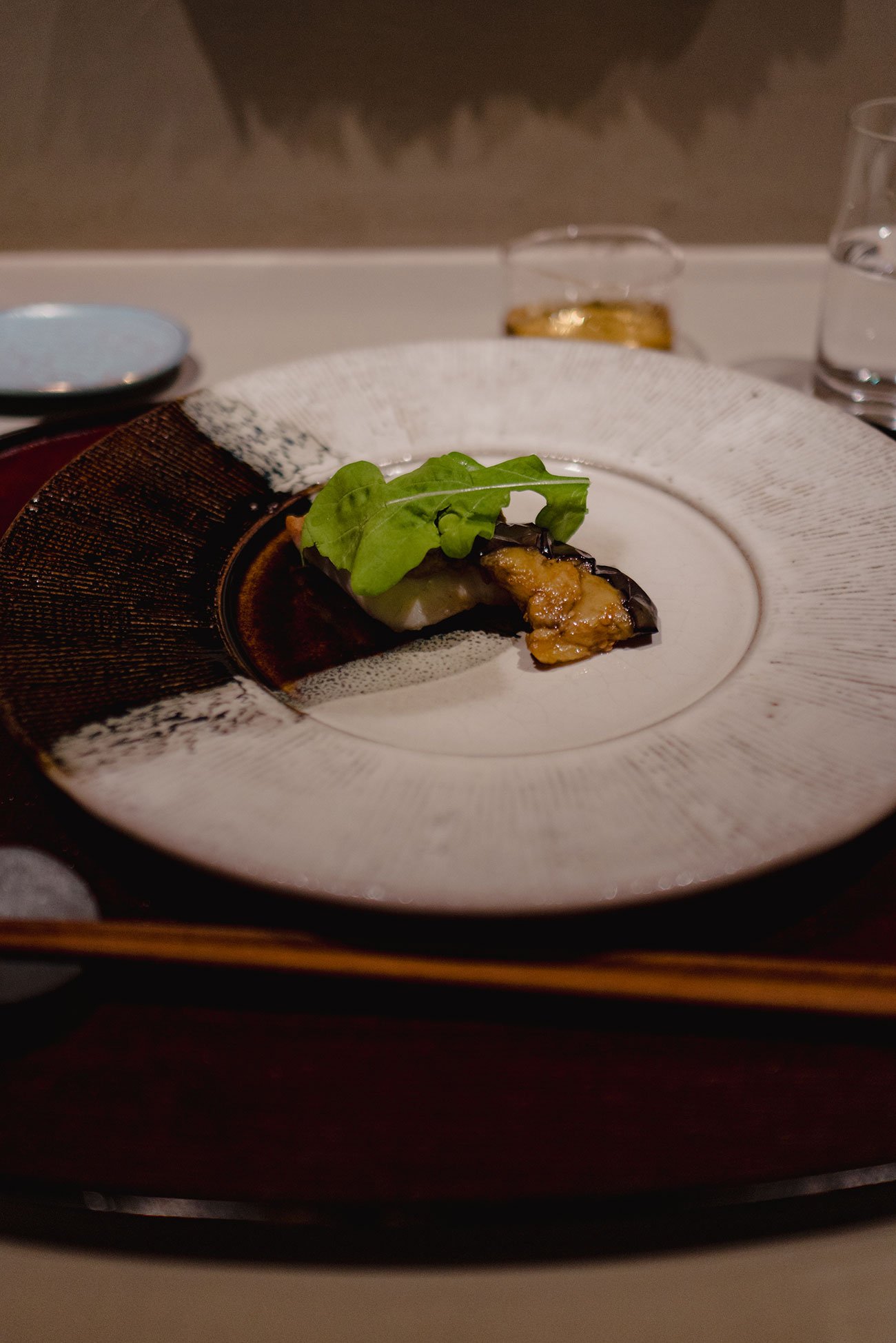
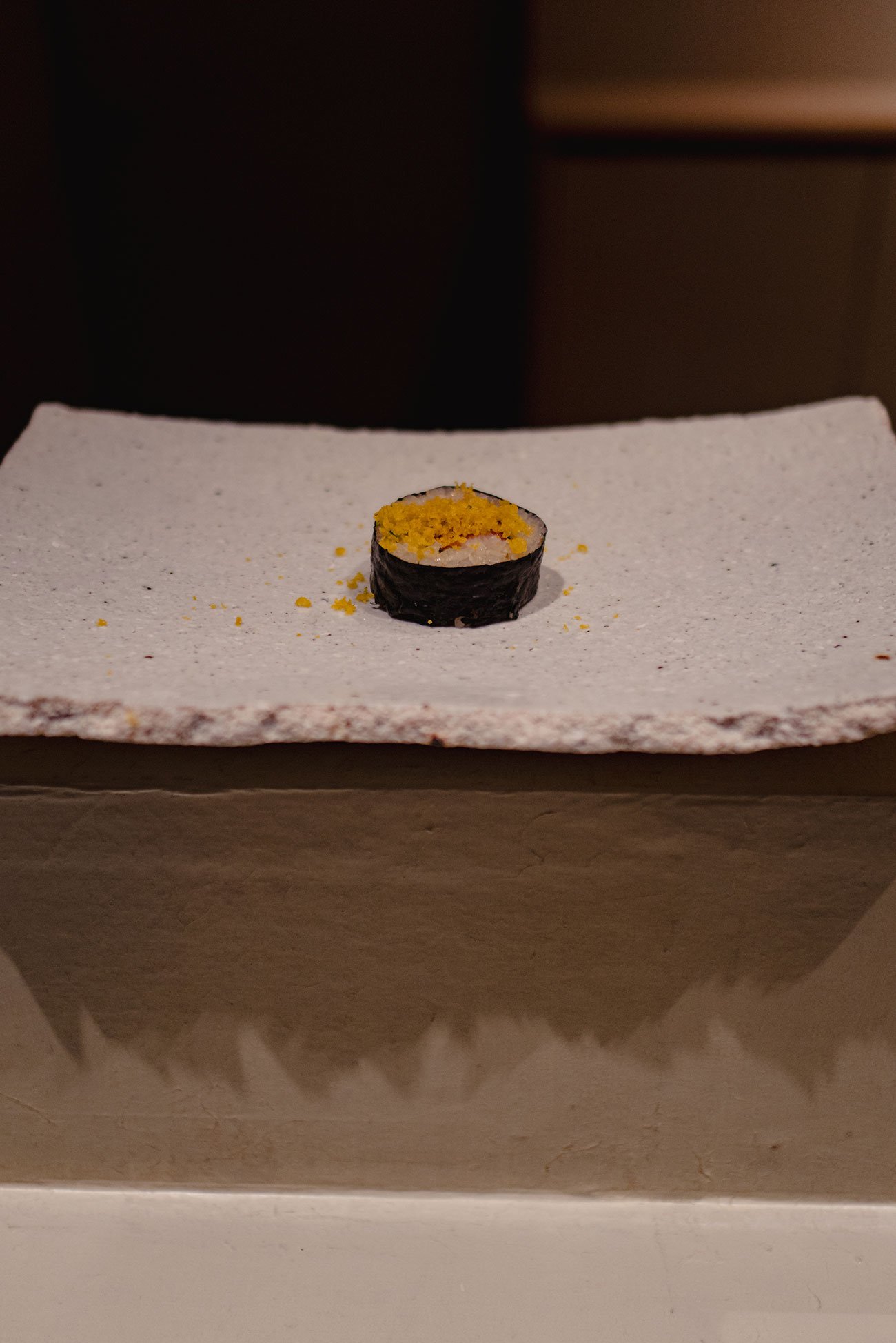
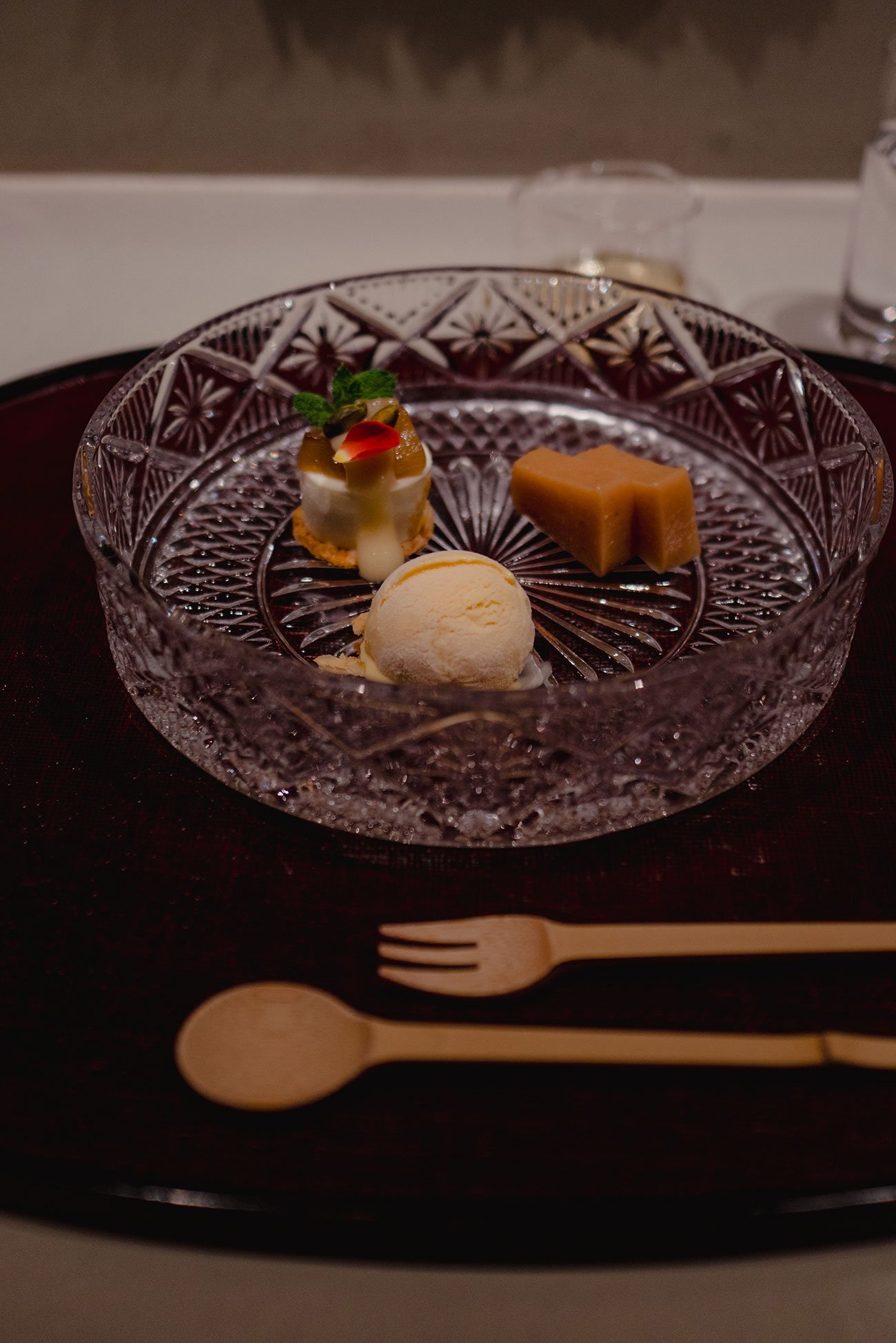
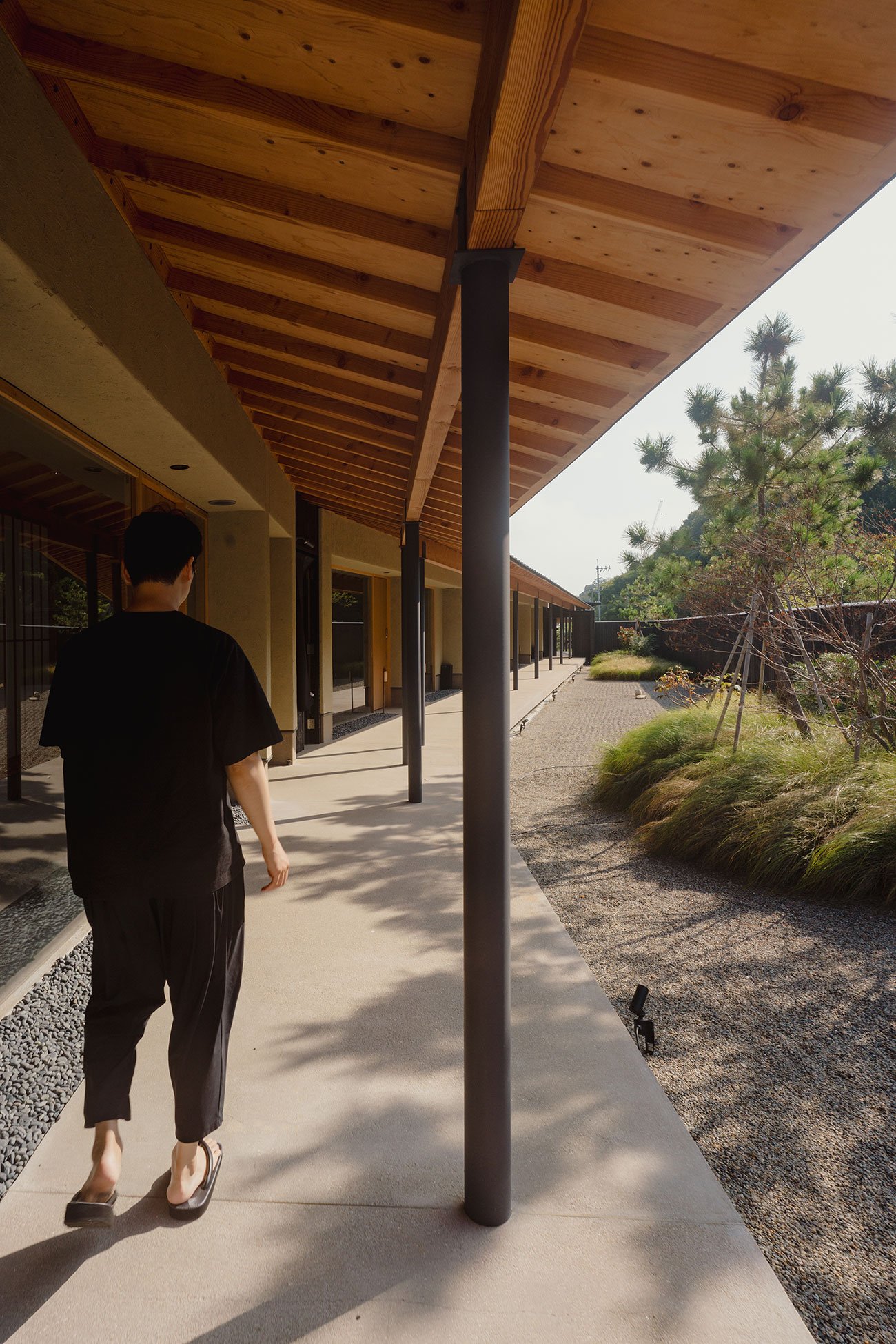
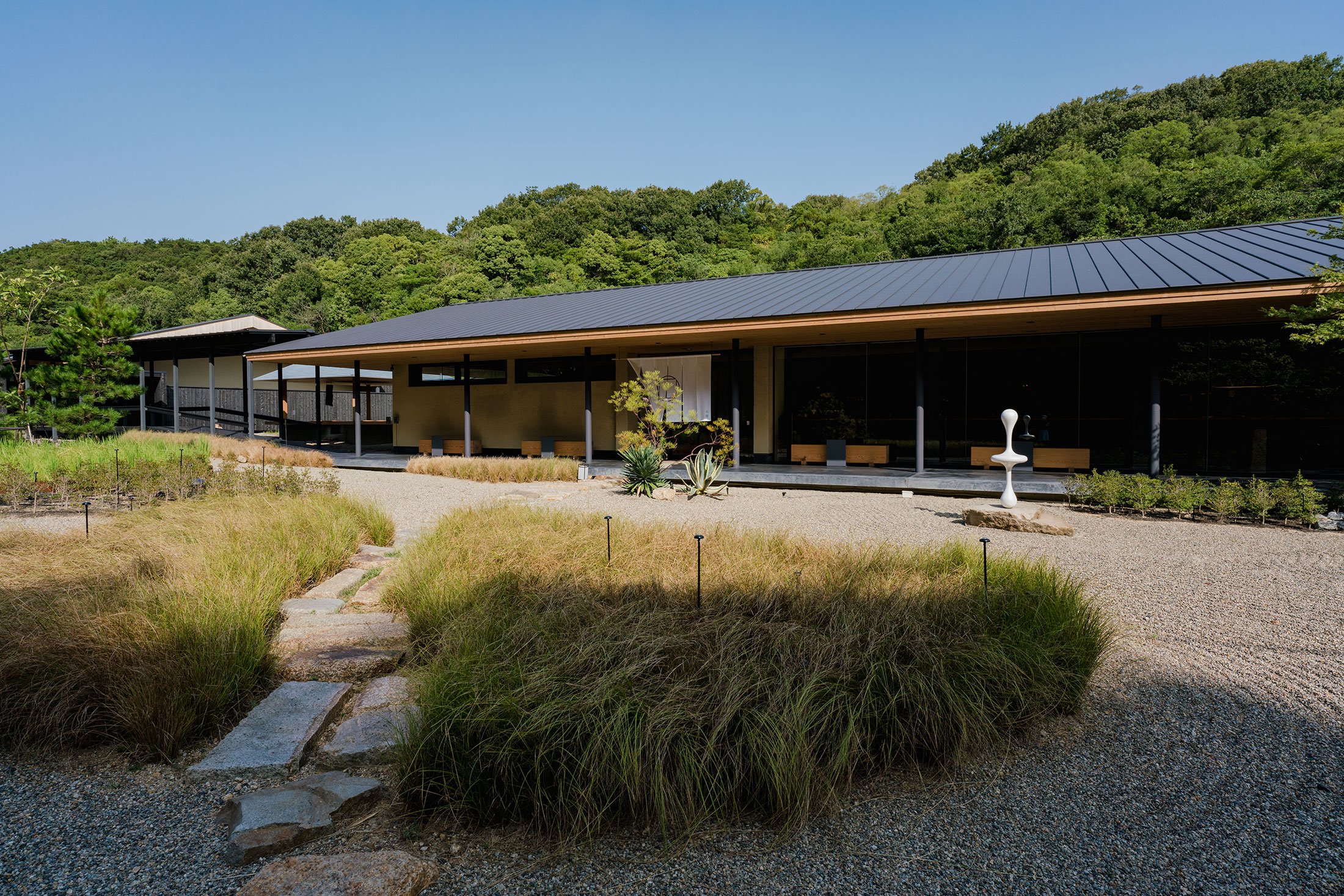
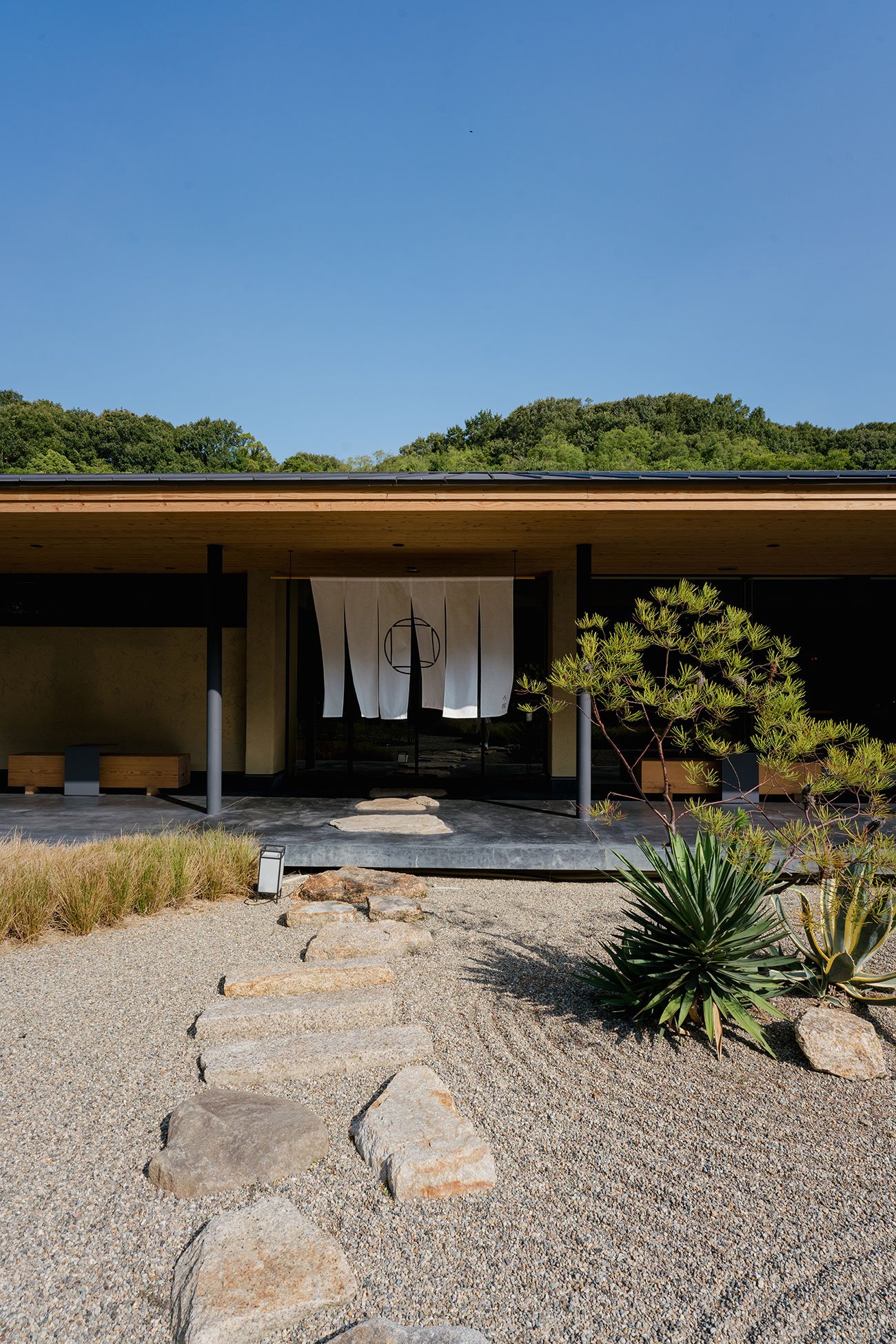
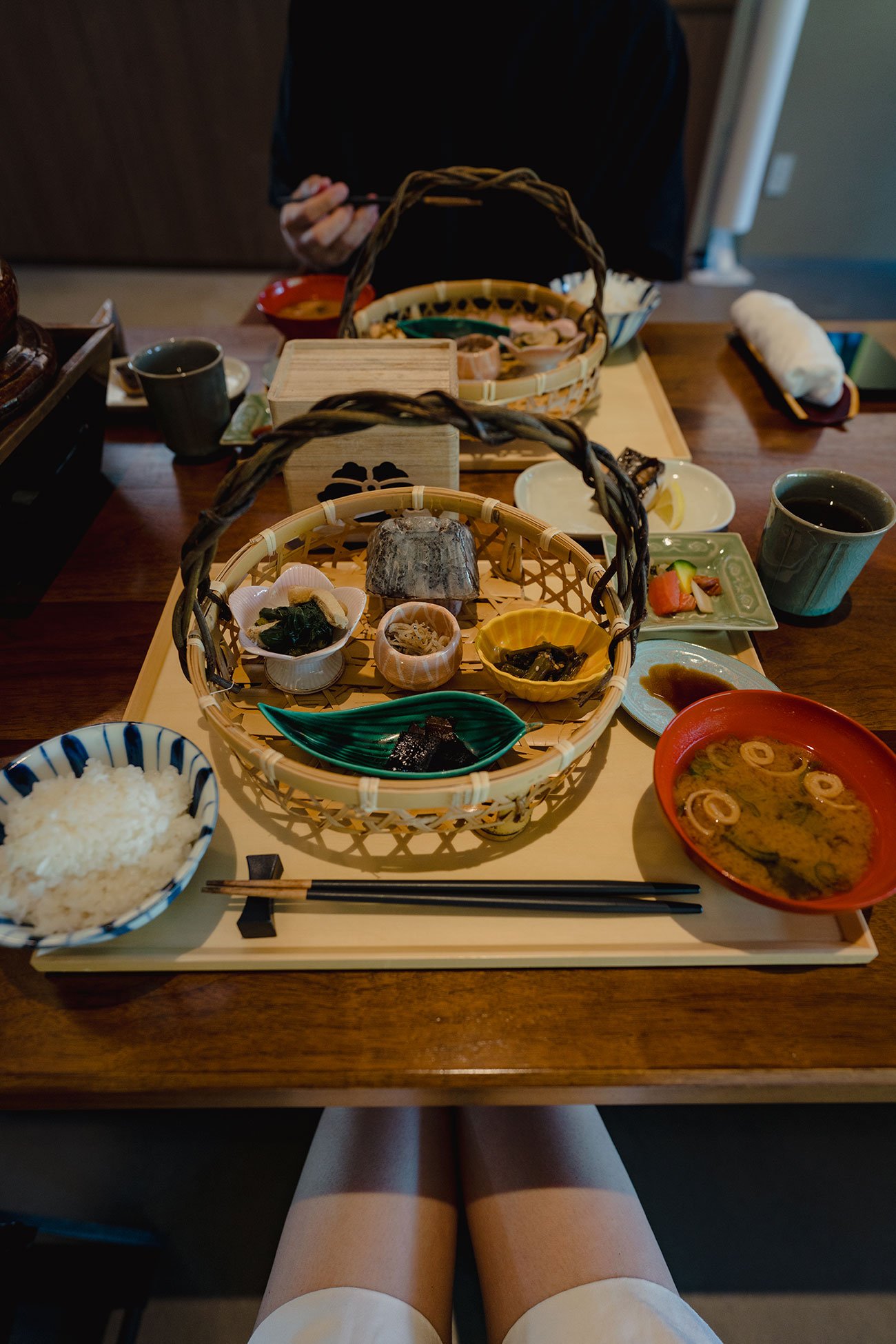
For our second night on the island we stayed at Ryokan Roka, a deliberate contrast to Benesse House. Benesse House is the easier choice if you want to be close to everything, with its own collection built right into the property. Roka is the opposite kind of experience, a real ryokan, and staying at both felt like the right way to see the island.
Roka opened in April 2022, the first proper Japanese inn on Naoshima, built around the idea of the satoyama landscape sitting right alongside contemporary art. The architecture starts from Sukiya style, understated by design. There are only 11 suites, each with its own open-air bath, built from wood, earth, and stone sourced from around the Seto Inland Sea.
Dinner was the Sushi Kaiseki course. Breakfast the next morning was at Restaurant EN, at a table facing the sunken hearth through windows wide enough that you could actually watch the morning arrive while you ate, a completely different mood from the room the night before. Both meals are worth building the stay around.
Teshima
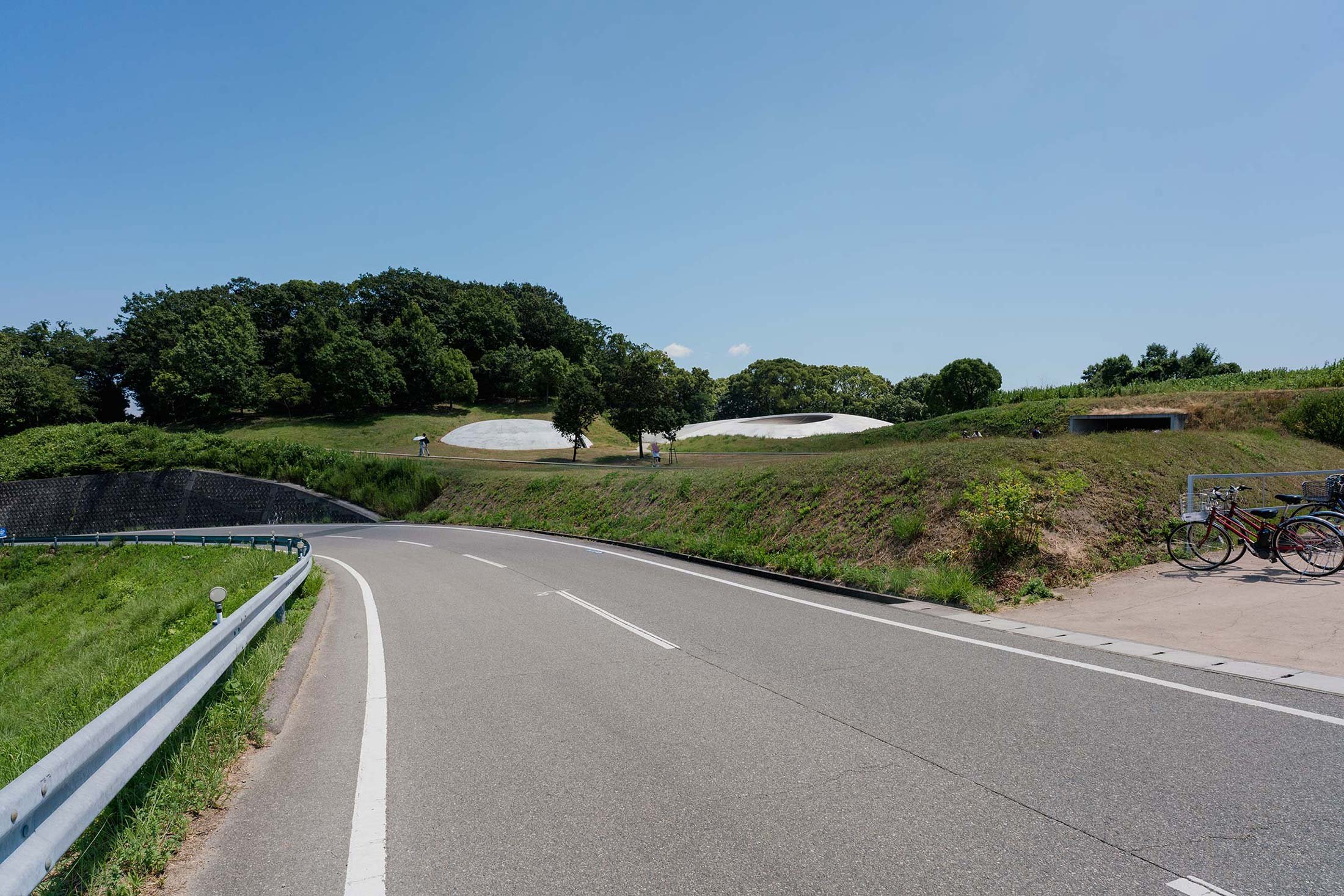
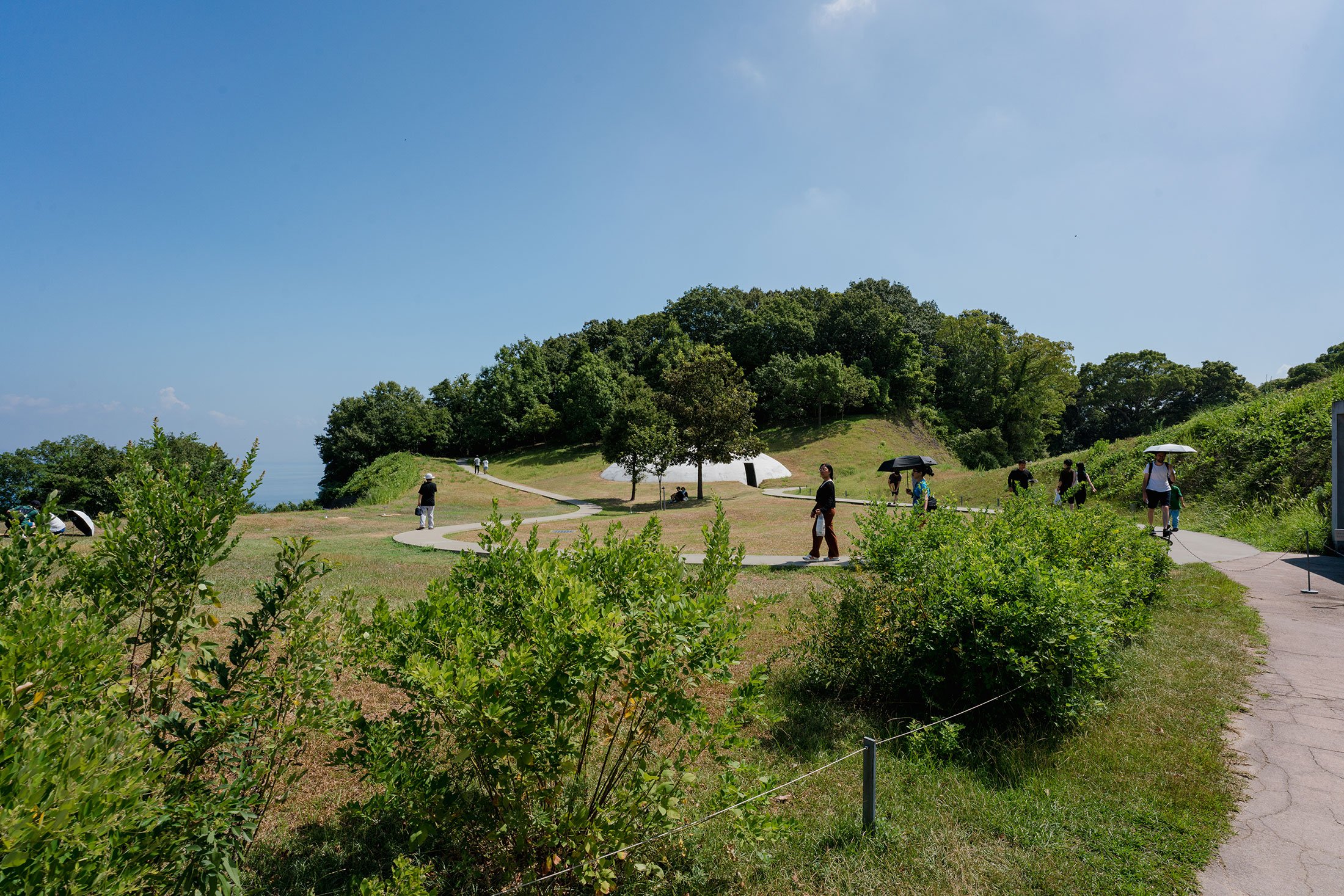
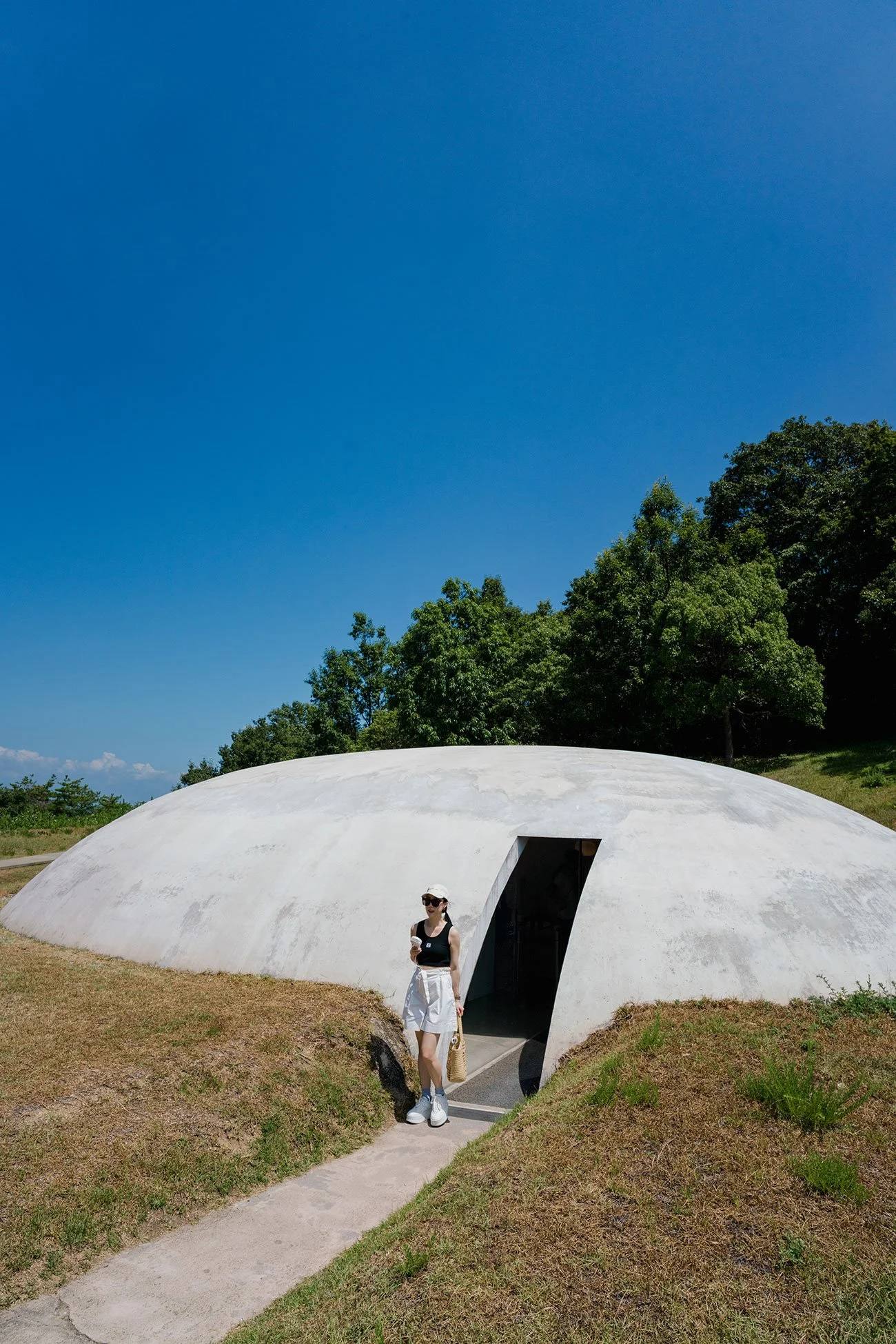
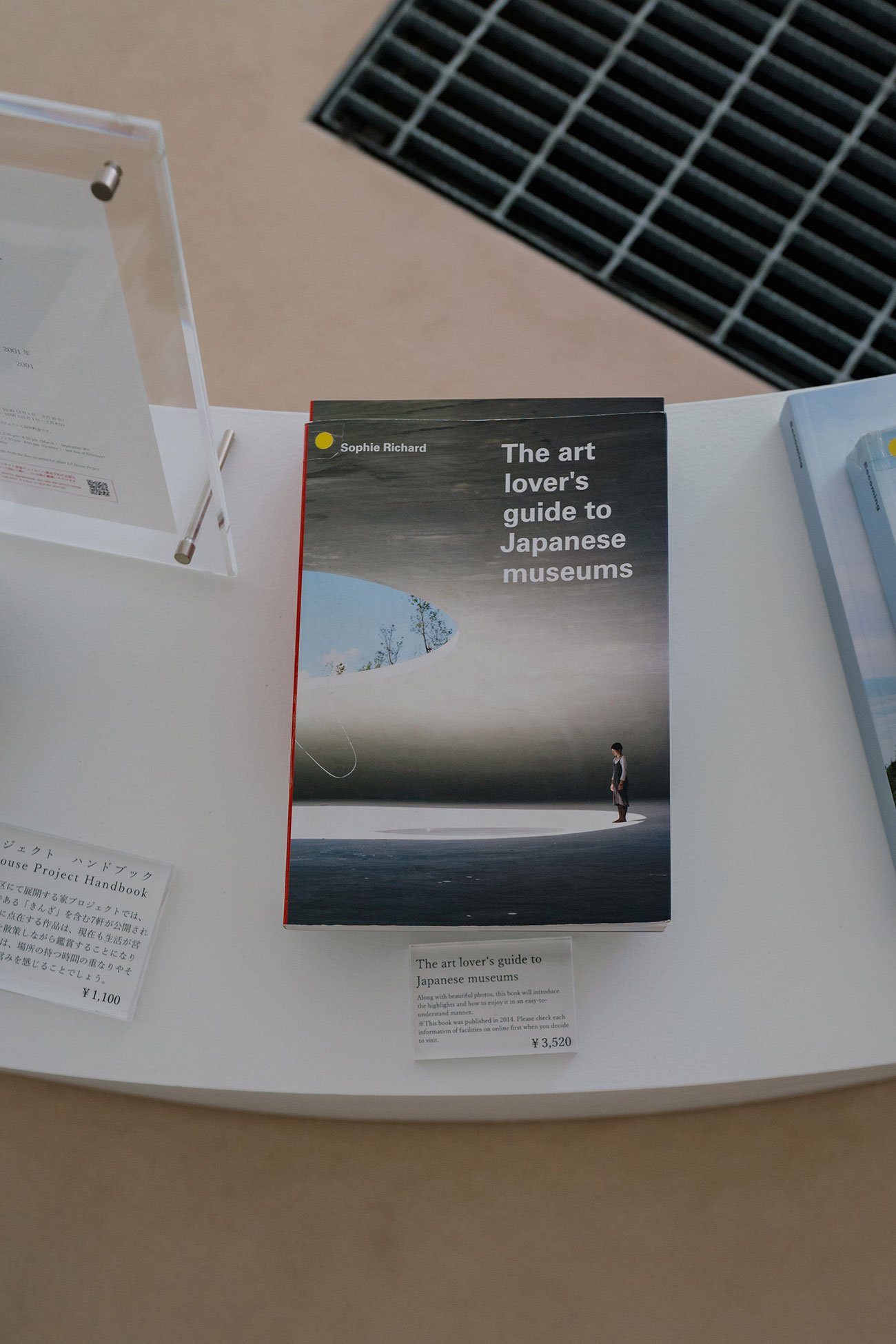
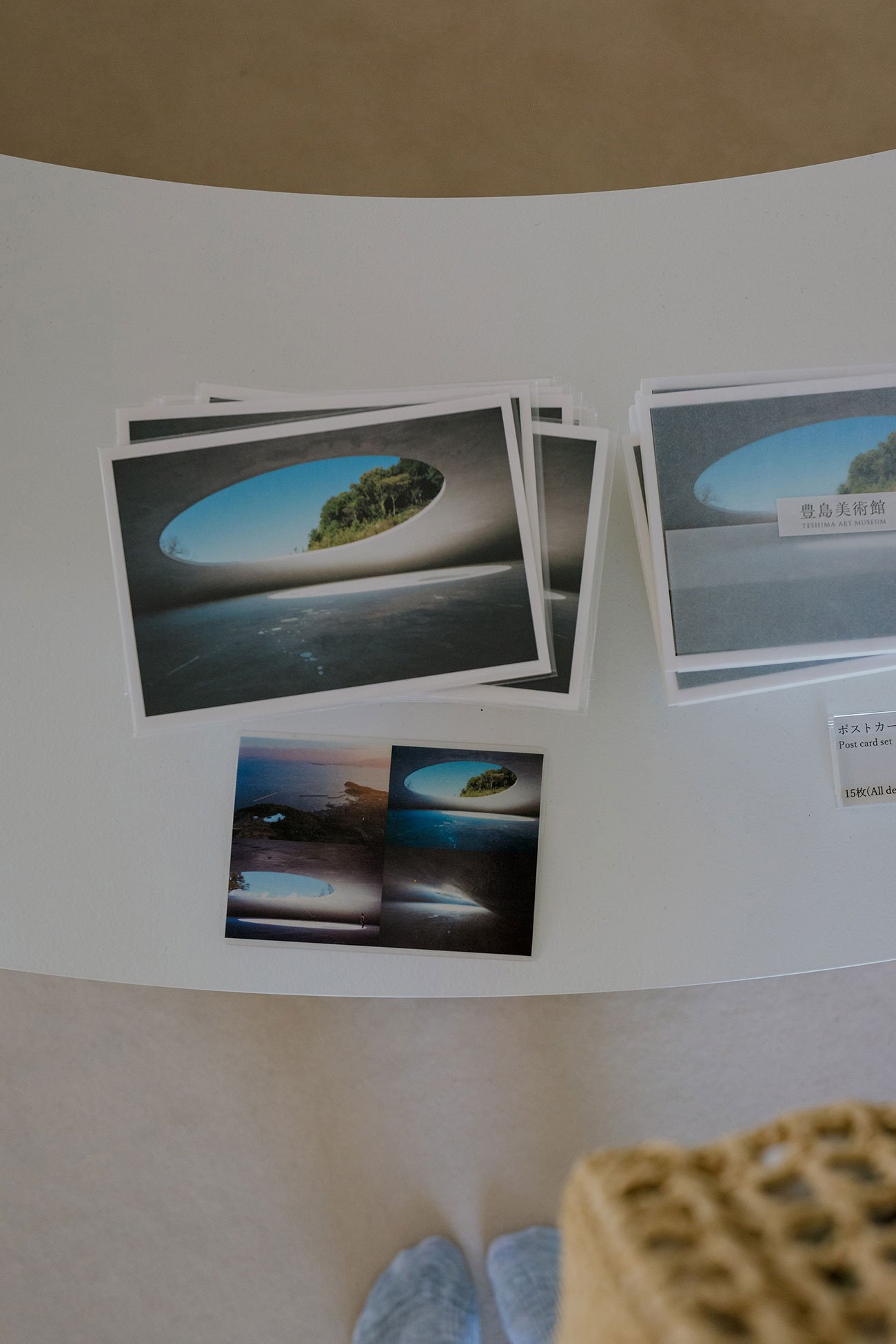
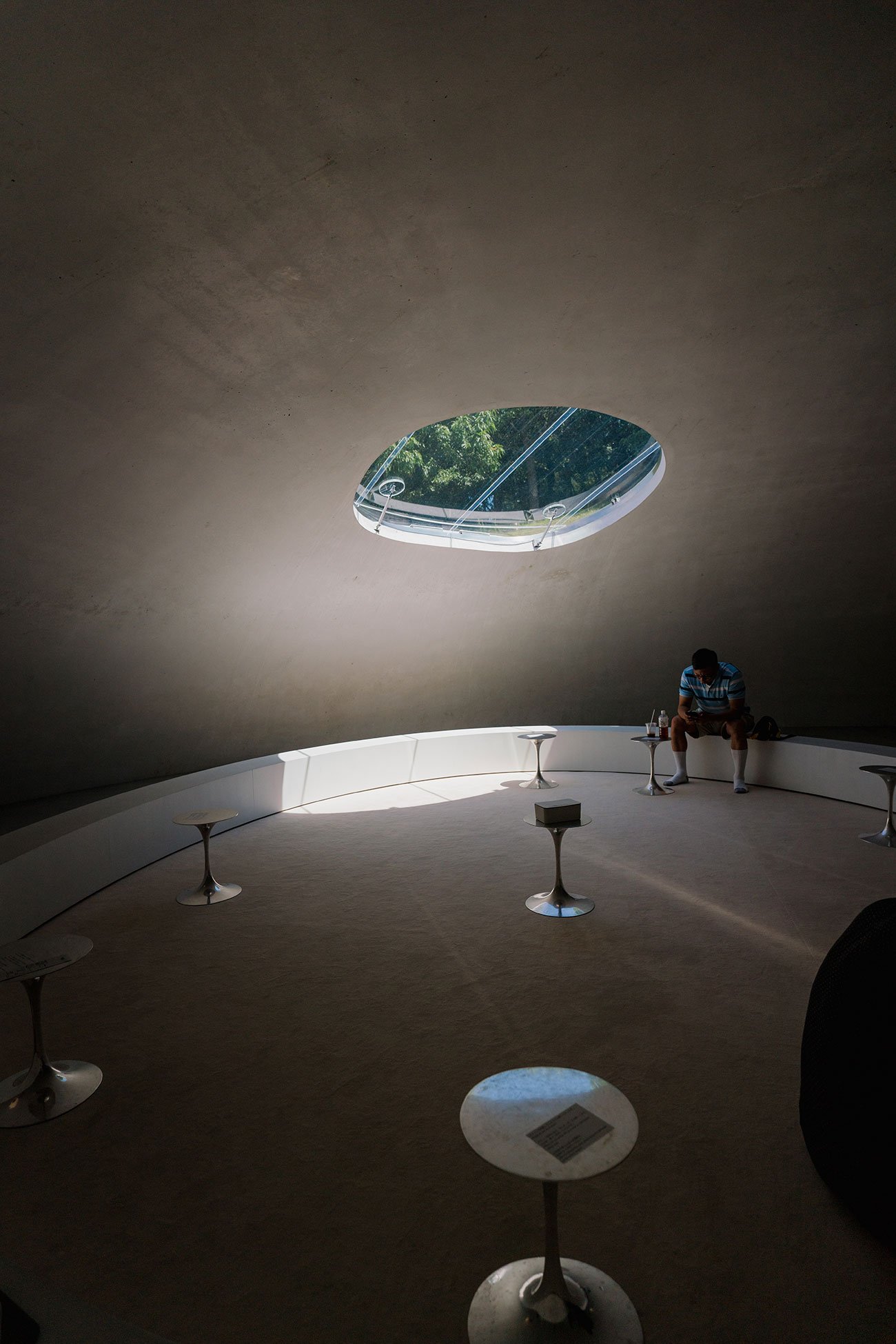
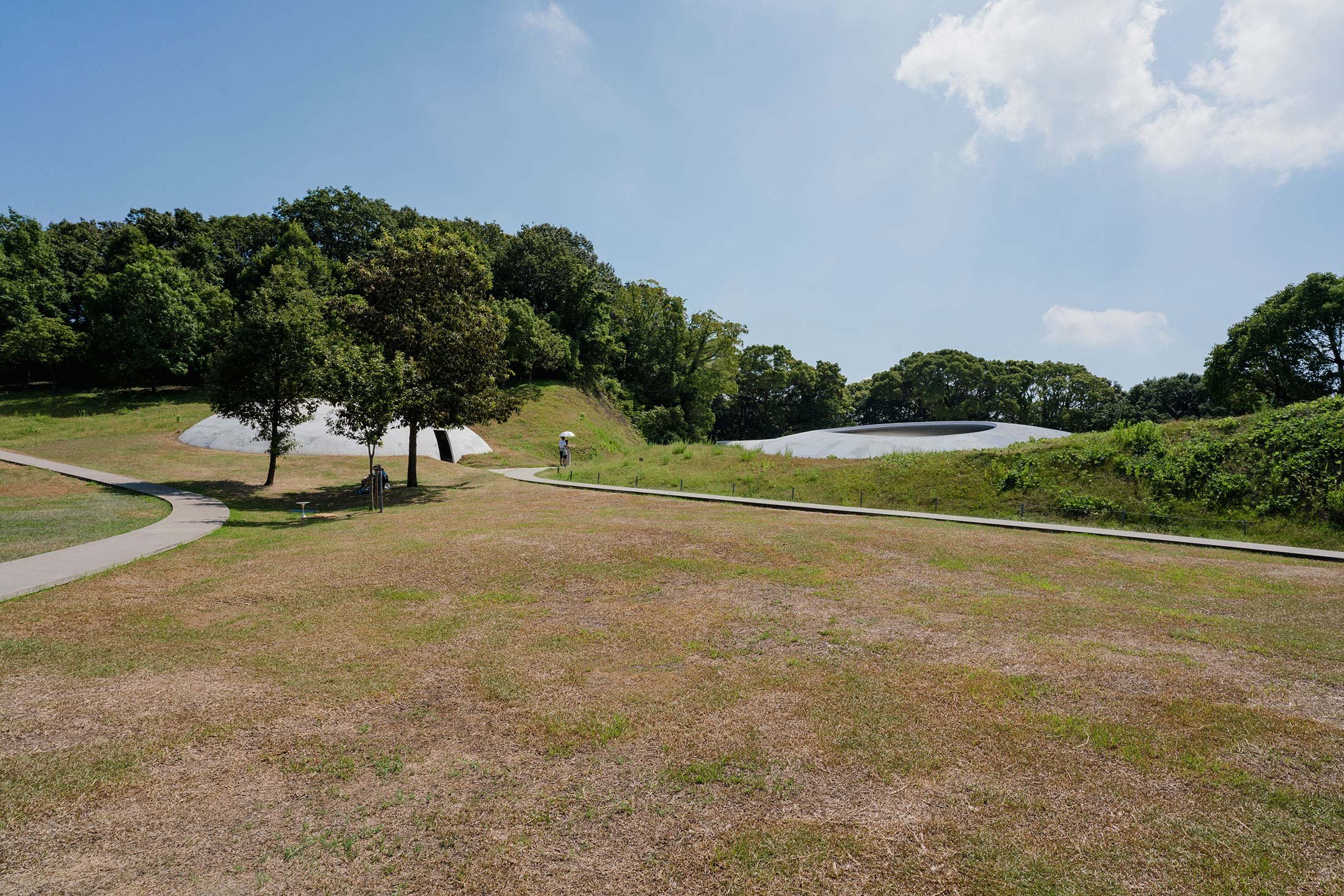
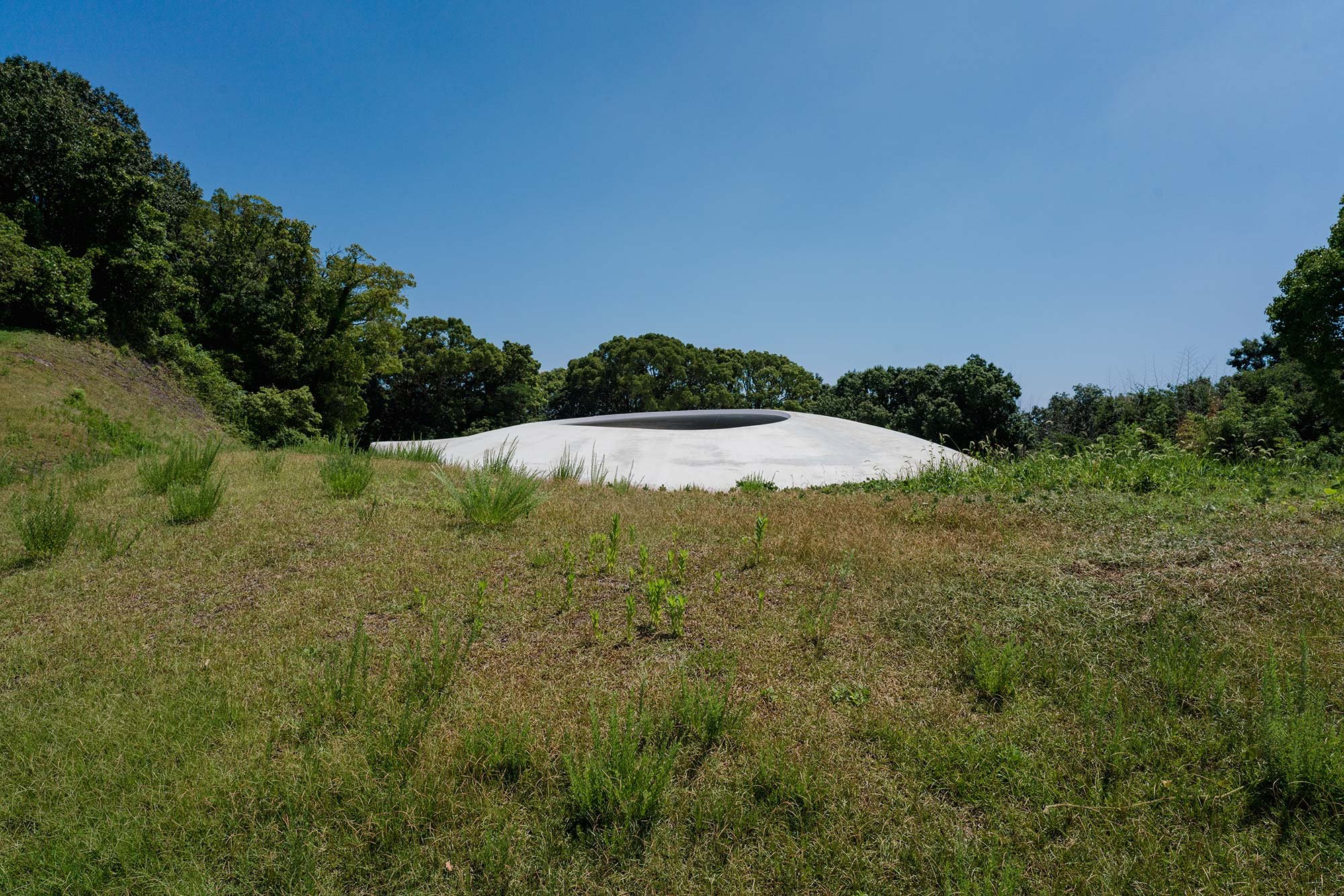

Getting to Teshima was its own small ordeal. Between the ferry schedules and the fact that we still had Kyoto ahead of us, luggage and all, we went back and forth on whether it was even worth the trip. I'm glad we did it anyway.
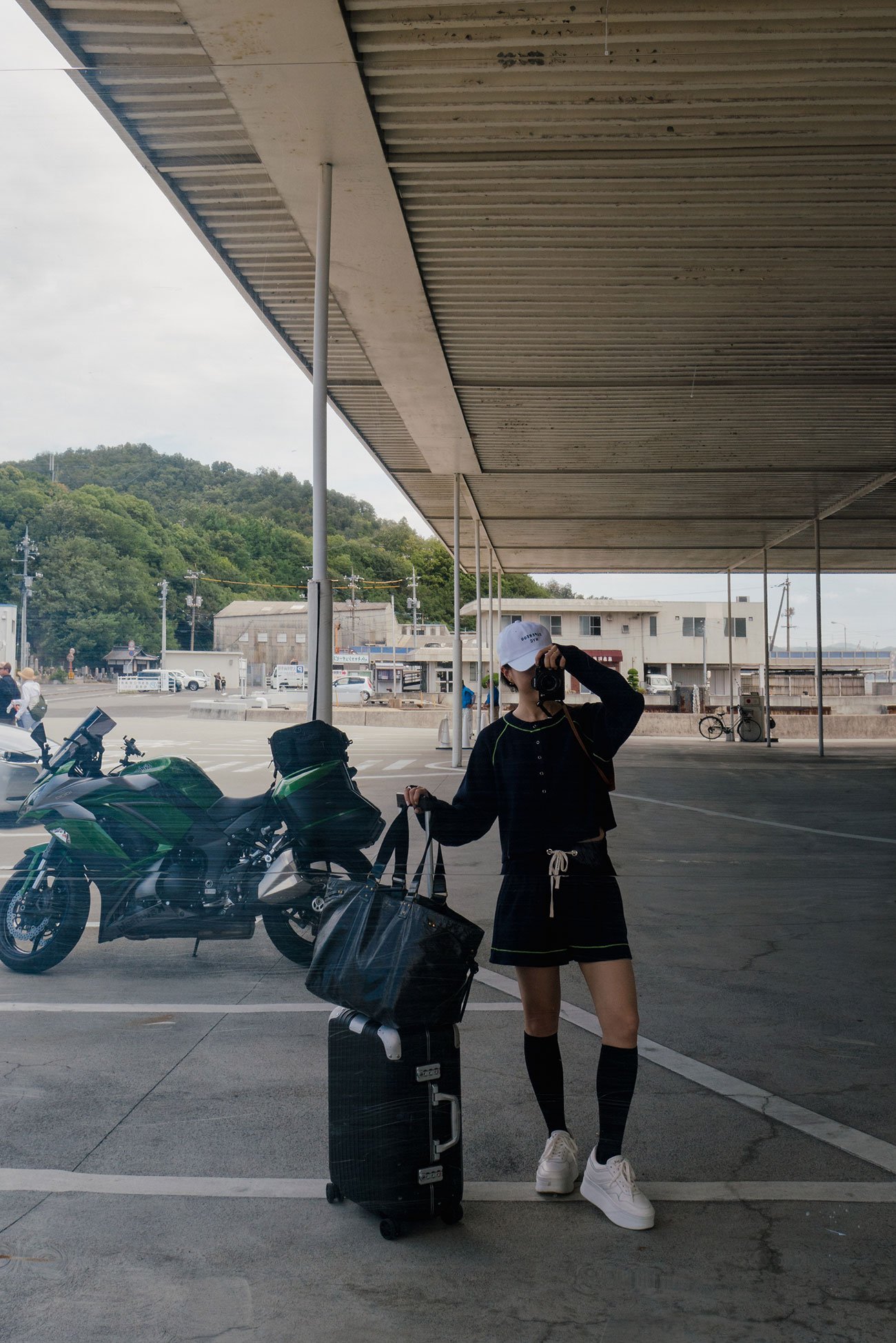
There's exactly one taxi on the island, and we happened to grab it right off the ferry. The shuttle was packed, and the next one wasn't for another hour. Renting bikes was the other option, but it was 95 degrees out, so that didn't last long as an idea. We left our luggage by the bike rental stand at the ferry terminal, which turned out to be the easiest part of the whole day.
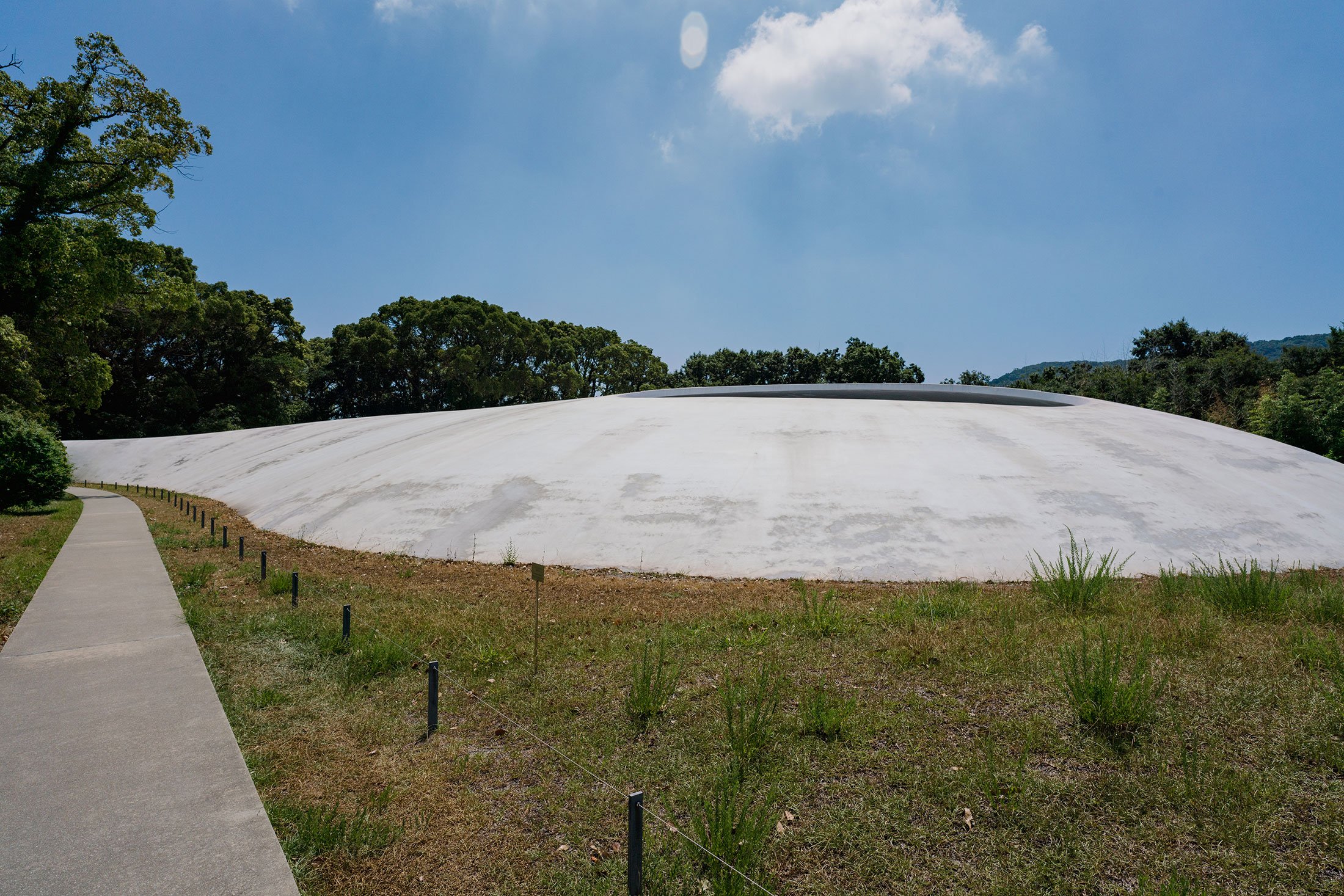
The Teshima Art Museum is the main reason to make the trip. It was designed by Ryue Nishizawa with the artist Rei Naito, and the building itself is a single curved concrete shell with no pillars or interior walls at all, two oval openings cut into it so wind, sound, and daylight all get into the space directly. Water rises up from the floor throughout the space and just keeps moving, and a thin, thread-like structure hangs from the ceiling, shifting with whatever air is moving through the room at the time. It's built to change with the weather and the season, rain does something different to the space than sun does, so no two visits are quite the same.
I would have stayed there the entire day if the heat and the ferry schedule had let us.
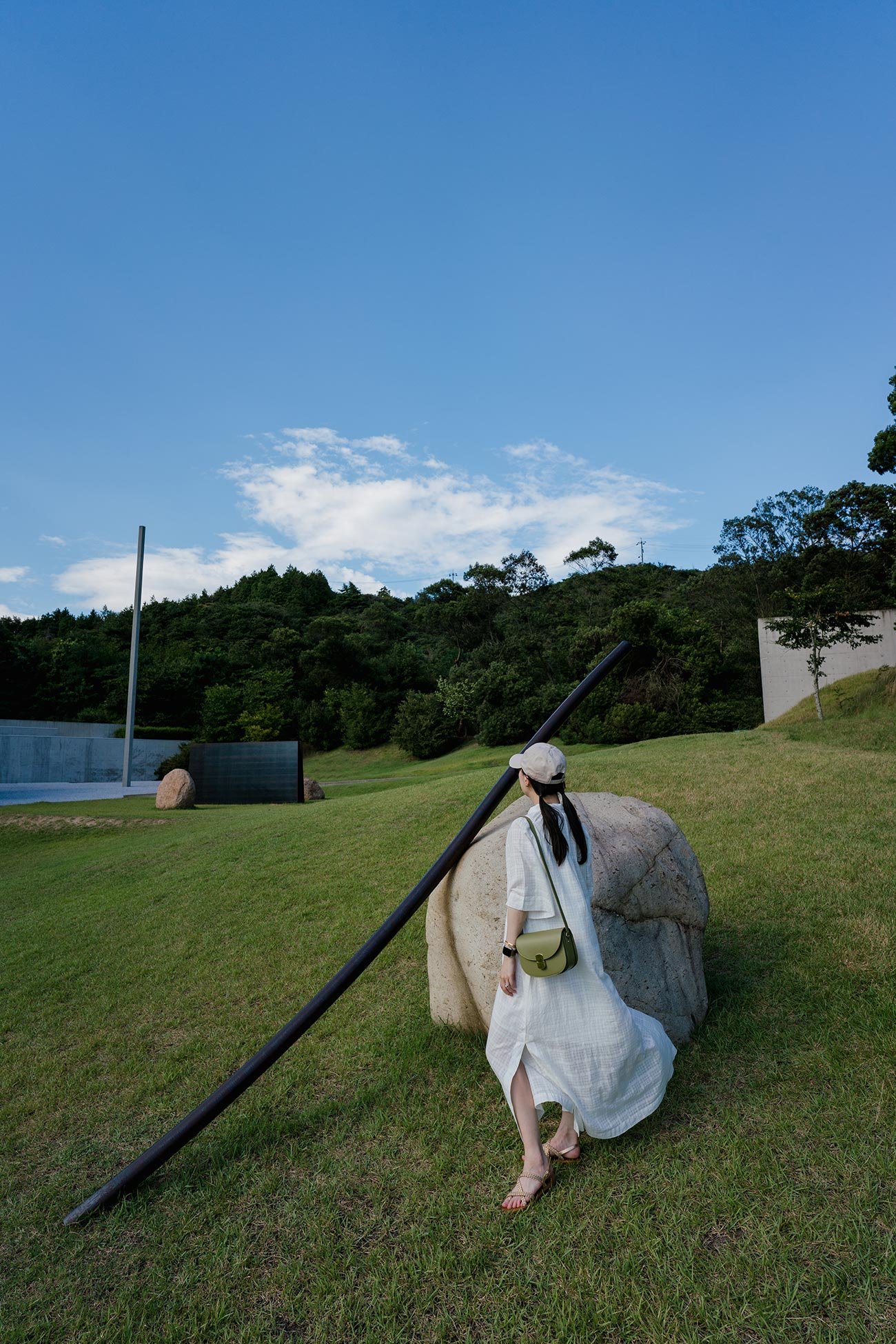

A special shoutout to the Sézane Claude Bag that came along for the whole trip and somehow still looked good after all of it ♡
I understand now why Naoshima and Teshima have the reputation they do. So much of it can't be photographed, which if anything is the best argument for actually going rather than just looking it up later. This had been on my list for a long time, and getting to finally do it was worth every bit of the ferry schedules and the heat.